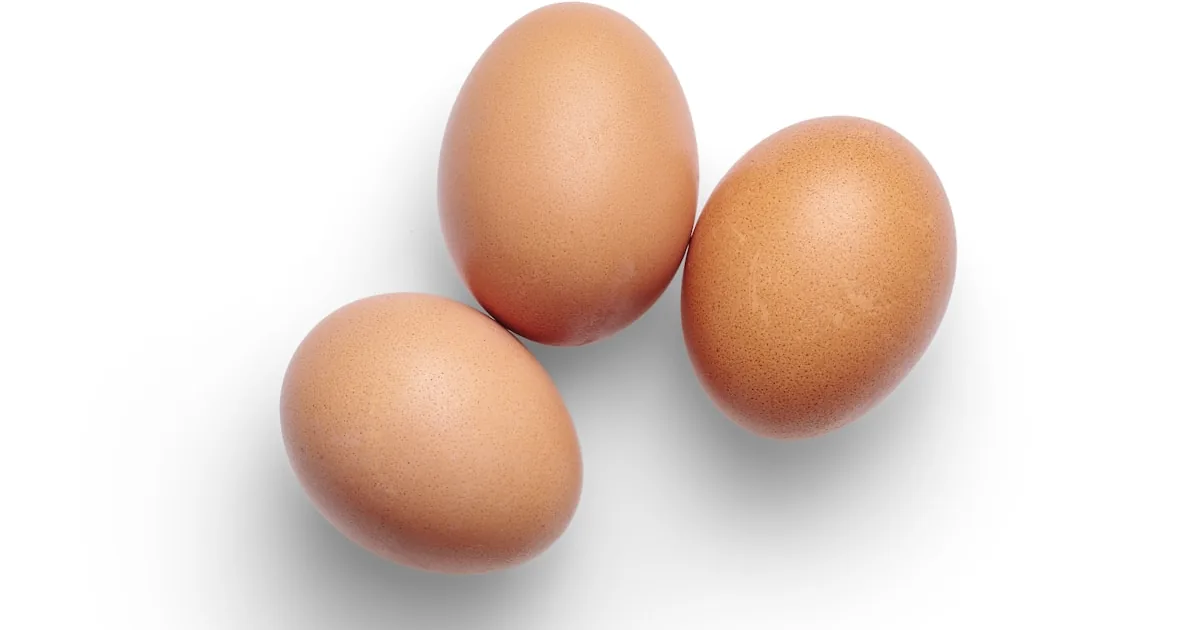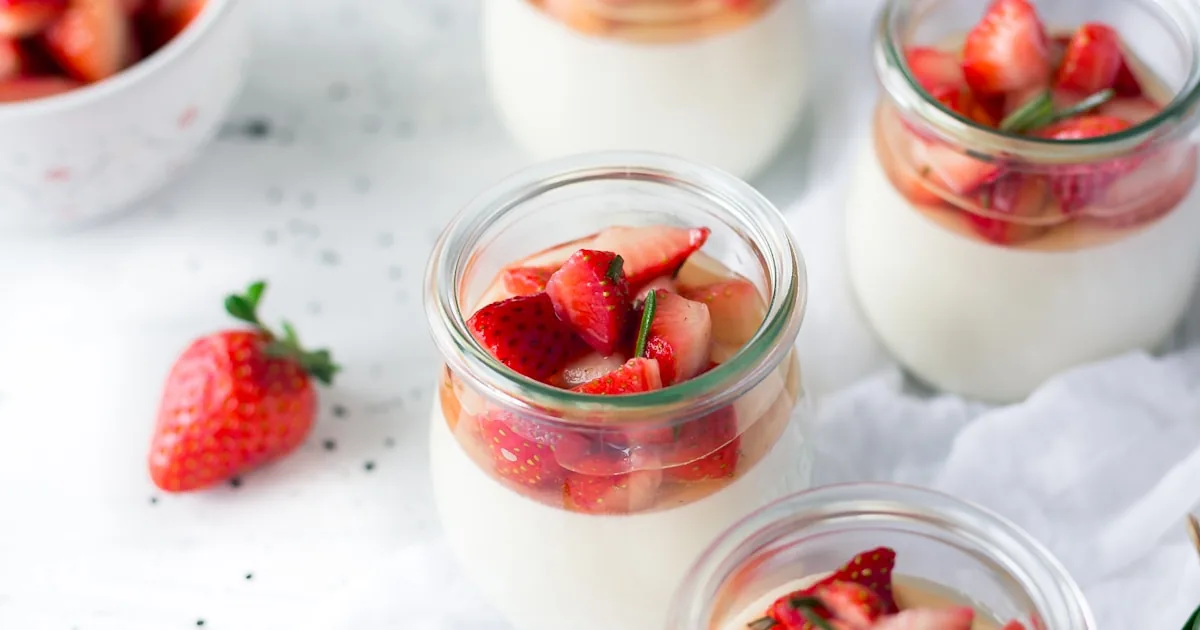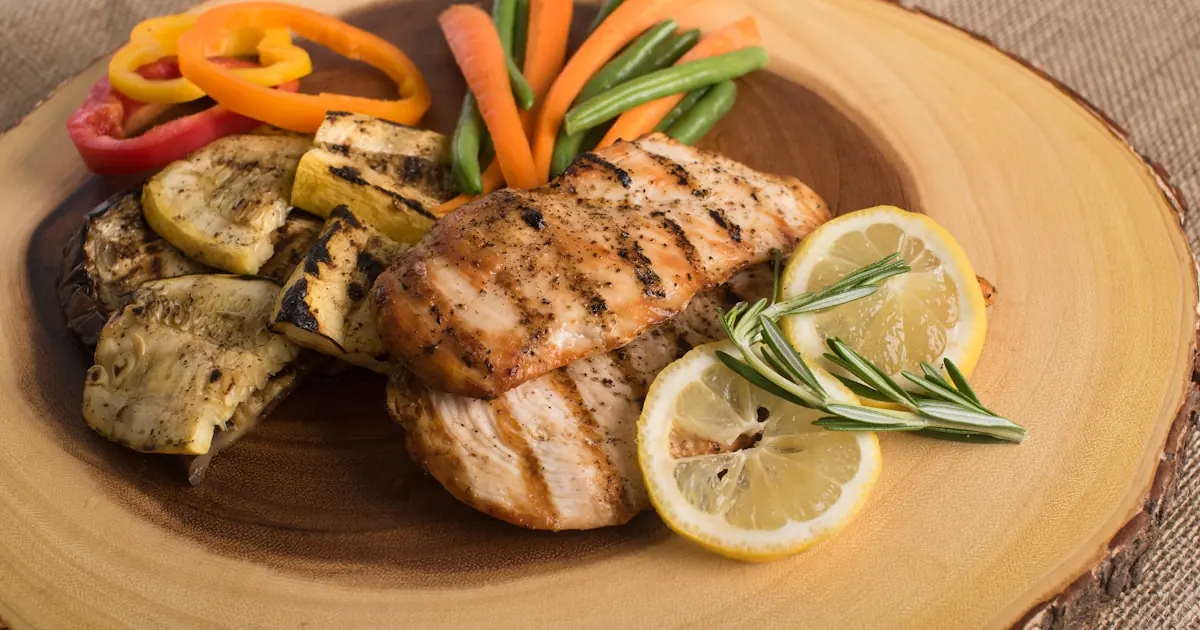
A high-protein breakfast does not have to mean eating plain eggs every morning or drinking a protein shake on the way out the door.
Simple foods such as eggs, Greek yogurt, cottage cheese, milk, tofu, beans, oats, nuts, seeds, and lean poultry can turn an ordinary breakfast into a more protein-rich meal.
The easiest approach is to start with a protein source and then add fruit, vegetables, whole grains, or healthy fats around it.
If you need inspiration, the 25 high-protein breakfast ideas below include quick meals, meal-prep options, vegetarian breakfasts, savory choices, and naturally sweet breakfasts that can fit different tastes and schedules.
Quick Answer: What Are the Best High-Protein Breakfasts?
Some easy high-protein breakfast ideas include:
- Greek yogurt with berries and nuts
- Eggs with whole-grain toast
- Cottage cheese with fruit
- Overnight oats with Greek yogurt
- Egg and vegetable wraps
- Tofu scramble
- Breakfast burritos with eggs and beans
- Smoked salmon toast
- Greek yogurt smoothies
- Egg and avocado toast
- Chia pudding with Greek yogurt
- Breakfast quinoa bowls
There is no single official amount that makes a breakfast “high protein.” Your ideal protein intake depends on your total daily needs, body size, activity level, age, health, and overall diet.
For context, the National Academy of Medicine recommends a minimum of about 0.8 grams of protein per kilogram of body weight per day for adults, although individual needs can vary considerably.
Why Add Protein to Breakfast?
Protein is an essential macronutrient made from amino acids. Your body uses protein throughout muscles, skin, bones, enzymes, hormones, and other tissues.
Including protein at breakfast can also make it easier to spread your protein intake across the day instead of trying to consume most of it at dinner.
More importantly, a balanced breakfast can combine protein with other useful nutrients.
Think:
Protein + fiber-rich carbohydrate + fruit or vegetables + healthy fat
For example:
Eggs + whole-grain toast + tomatoes + avocado
or:
Greek yogurt + oats + berries + chia seeds
Current U.S. Dietary Guidelines emphasize eating a variety of nutrient-dense foods, including protein foods, dairy, vegetables, fruits, healthy fats, and whole grains, rather than focusing on one nutrient in isolation.
25 Easy High-Protein Breakfast Ideas
1. Greek Yogurt, Berries, and Nuts
A Greek yogurt bowl is one of the easiest high-protein breakfasts because it requires almost no cooking.

Start with plain Greek yogurt and add:
- Strawberries
- Blueberries
- Raspberries
- Chopped almonds or walnuts
- Cinnamon
For extra fiber, add a spoonful of chia seeds or oats.
Plain yogurt also lets you control how much added sugar goes into your breakfast.
Easy formula: Greek yogurt + fruit + nuts or seeds.
2. Scrambled Eggs With Whole-Grain Toast
Scrambled eggs are simple, inexpensive, and easy to customize.
Serve them with:
- Whole-grain toast
- Tomatoes
- Spinach
- Mushrooms
- Fresh fruit
Instead of turning breakfast into only eggs, use the toast and produce to create a more balanced plate.
For additional protein, you can add a little cottage cheese to the scrambled eggs before cooking.
3. Cottage Cheese and Fruit Bowl
Cottage cheese works especially well when you need a breakfast that takes only a few minutes.
Combine it with:
- Berries
- Peaches
- Pineapple
- Apple
- Cinnamon
- Chopped nuts
Prefer savory breakfasts?
Try cottage cheese with tomato, cucumber, black pepper, herbs, and whole-grain toast.
4. High-Protein Overnight Oats
Traditional oats contain some protein, but you can make them much more protein-focused.

Combine:
- Rolled oats
- Greek yogurt
- Milk or fortified soy milk
- Chia seeds
- Berries
- Cinnamon
Refrigerate overnight.
In the morning, the meal is already prepared.
This works particularly well for people who do not have time to cook before work or school.
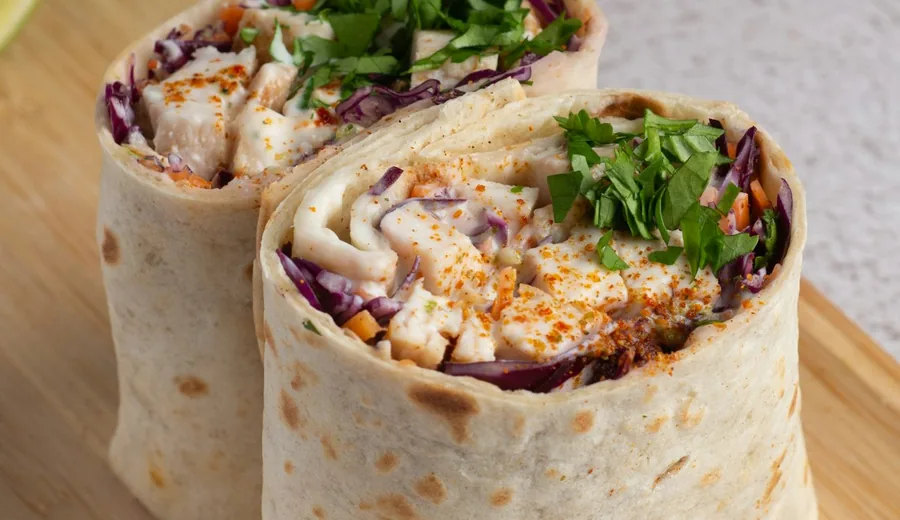
5. Egg and Vegetable Breakfast Wrap
Fill a whole-grain tortilla with:
- Scrambled eggs
- Spinach
- Bell peppers
- Tomatoes
- Salsa
You can also add:
- Beans
- Avocado
- A small amount of cheese
Wrap it tightly and you have a portable breakfast.
For meal prep, make several wraps at once and refrigerate or freeze them appropriately.
6. Tofu Scramble With Vegetables
You do not need eggs to make a savory protein-rich breakfast.
Crumble firm tofu into a pan and cook it with:
- Spinach
- Mushrooms
- Tomatoes
- Bell peppers
- Onion
- Garlic
- Herbs and spices
Serve with whole-grain toast, potatoes, or fruit.
Tofu is especially useful for people following vegetarian or plant-based diets.
7. Egg and Avocado Toast
Avocado toast by itself may not provide much protein.
Adding eggs changes that.
Top whole-grain toast with:
- Mashed avocado
- Boiled, poached, or scrambled eggs
- Tomato
- Black pepper
- Chili flakes, if desired
Avocado provides primarily fat rather than protein, so the eggs are what make this breakfast more protein-focused.
8. Greek Yogurt Parfait
Layer plain Greek yogurt with:
- Berries
- Oats
- Chia seeds
- Chopped nuts
You can prepare it in a jar the night before.
Be careful with large amounts of sweetened granola, honey, syrups, or flavored yogurt if you are trying to limit added sugar.
Fruit provides plenty of natural sweetness for many people.
9. Breakfast Burrito With Eggs and Beans
Eggs and beans make a satisfying combination because they contribute protein from different food sources.
Fill a tortilla with:
- Scrambled eggs
- Black beans
- Tomatoes
- Bell peppers
- Salsa
- Spinach
Optional additions include avocado or a modest amount of cheese.
Breakfast burritos are also convenient for batch cooking.
10. Oatmeal With Greek Yogurt
Oatmeal does not need to be a low-protein breakfast.
Cook oats with milk or fortified soy milk, then stir in Greek yogurt after cooking.
Add:
- Berries
- Banana
- Cinnamon
- Chia seeds
- Nuts
This provides the familiar comfort of oatmeal while adding a more substantial protein source.
11. Smoked Salmon and Egg Toast
For a savory breakfast, top whole-grain toast with:
- Egg
- Smoked salmon
- Cucumber
- Tomato
- Fresh herbs
Because smoked salmon can be relatively high in sodium, portion and frequency may matter for people who are monitoring sodium intake.
Fresh cooked salmon can also work if you have leftovers from dinner.
12. Vegetable Omelet With Cottage Cheese
Make an omelet using eggs and vegetables such as:
- Spinach
- Mushrooms
- Bell peppers
- Tomato
- Onion
Add cottage cheese inside for extra protein and a creamy texture.
Serve it with fruit or whole-grain toast.
This is an easy way to include vegetables early in the day rather than waiting until lunch or dinner.
13. Greek Yogurt Smoothie
A smoothie can become a substantial breakfast when it contains more than fruit.
Blend:
- Greek yogurt
- Milk or fortified soy milk
- Frozen berries
- Banana
- Oats
- Chia seeds
You can adjust the thickness by changing the amount of milk.
A smoothie made only from fruit and juice will generally contain much less protein than one built around yogurt, milk, or soy foods.
14. Peanut Butter Banana Oatmeal
Prepare oatmeal and add:
- Peanut butter
- Banana
- Milk
- Cinnamon
For additional protein, stir in Greek yogurt or serve yogurt on the side.
Peanut butter contributes some protein, but it is also calorie-dense because much of its energy comes from fat. You do not need a huge serving to enjoy it.
15. Egg Muffins With Vegetables
Egg muffins are useful for meal prep.

Whisk eggs and combine them with chopped:
- Spinach
- Bell peppers
- Mushrooms
- Tomato
- Onion
Pour the mixture into a muffin tin and bake.
You can refrigerate portions for quick breakfasts during the week.
Pair a few egg muffins with fruit or whole-grain toast to complete the meal.
16. Cottage Cheese Toast
Spread cottage cheese over whole-grain toast.
For a savory version, add:
- Tomato
- Cucumber
- Black pepper
- Herbs
For a sweeter version, add:
- Strawberries
- Blueberries
- Peach slices
- Cinnamon
This takes only a few minutes and gives plain toast a meaningful protein upgrade.
17. Breakfast Quinoa Bowl
Quinoa is commonly used at lunch or dinner, but it also works at breakfast.
Combine cooked quinoa with:
- Milk
- Greek yogurt
- Berries
- Cinnamon
- Chia seeds
- Nuts
You can serve it warm or cold.
Quinoa contains protein, but adding yogurt or milk makes the meal significantly more protein-focused.
18. Eggs, Beans, and Salsa Bowl
For a simple savory breakfast, combine:
- Eggs
- Black beans or pinto beans
- Salsa
- Tomatoes
- Spinach
- Avocado, if desired
You can eat it as a bowl or serve it with a whole-grain tortilla.
Beans add protein as well as fiber, making them useful beyond lunch and dinner.
19. Chia Pudding With Greek Yogurt
Prepare chia pudding the night before with:
- Chia seeds
- Milk or fortified soy milk
After it thickens, add:
- Greek yogurt
- Berries
- Cinnamon
- Chopped nuts
Chia seeds alone should not be expected to provide all the protein in the meal. Pairing them with Greek yogurt or another protein-rich food creates a more complete breakfast.
20. Turkey and Egg Breakfast Sandwich
Build a breakfast sandwich using:
- Whole-grain English muffin or bread
- Egg
- Cooked turkey
- Tomato
- Spinach
If you use deli-style turkey, check the sodium content and ingredient label.
Fresh cooked turkey leftovers can be another option.
A homemade sandwich also allows you to control sauces and portion sizes more easily than many restaurant breakfast sandwiches.
21. Edamame and Egg Breakfast Bowl
Edamame does not have to be limited to lunch or dinner.
Combine:
- Shelled edamame
- Eggs
- Spinach
- Tomatoes
- Brown rice or quinoa, if desired
Add herbs, pepper, or a flavorful sauce in a sensible amount.
This meal combines both plant and animal protein, though you can replace the eggs with tofu for a fully plant-based version.
22. Savory Greek Yogurt Bowl
Greek yogurt is not only for sweet breakfasts.
Start with plain Greek yogurt and add:
- Cucumber
- Tomato
- Herbs
- Black pepper
- A small drizzle of olive oil
Serve with:
- Whole-grain toast
- Boiled eggs
- Chickpeas
This is a useful option if you do not enjoy sweet food in the morning.
23. Chickpea Breakfast Hash
Chickpeas can make a surprisingly practical breakfast.
Cook them with:
- Potatoes
- Spinach
- Bell peppers
- Onion
- Tomatoes
- Spices
You can add an egg on top or include tofu for additional protein.
This is also a useful way to make breakfast more plant-forward.
24. High-Protein Breakfast Snack Plate
Not everyone wants a traditional breakfast.
Build a simple snack-style plate with several foods such as:
- Boiled eggs
- Greek yogurt
- Cottage cheese
- Fruit
- Whole-grain toast
- Cucumber
- Tomatoes
- Nuts
This works especially well for people who prefer smaller portions of several foods instead of one large breakfast dish.
25. Leftover Dinner Breakfast Bowl
Breakfast does not need to contain traditional breakfast foods.
If you have nutritious leftovers, use them.
For example:
- Chicken + potatoes + vegetables
- Salmon + rice + spinach
- Lentils + eggs + vegetables
- Tofu + quinoa + vegetables
There is no nutritional rule saying protein-rich foods must only be eaten after noon.
Using leftovers can also save time, reduce food waste, and make breakfast much easier.
5-Minute High-Protein Breakfast Ideas
Short on time?
Try one of these:
Greek Yogurt Bowl
Greek yogurt + berries + chia seeds.
Cottage Cheese Toast
Whole-grain toast + cottage cheese + tomato.
Eggs and Toast
Boiled eggs + whole-grain toast + fruit.
Quick Smoothie
Greek yogurt + milk + berries + oats.
Breakfast Snack Plate
Boiled eggs + fruit + yogurt.
Preparation does not have to be complicated for breakfast to provide useful protein.
High-Protein Breakfast Ideas Without Eggs
You can eat a protein-rich breakfast without eggs.
Try:
- Greek yogurt and berries
- Cottage cheese and fruit
- Overnight oats with Greek yogurt
- Tofu scramble
- Greek yogurt smoothie
- Quinoa breakfast bowl
- Chia pudding with Greek yogurt
- Chickpea breakfast hash
- Savory yogurt bowl
- Oatmeal made with milk and yogurt
The key is to replace the protein eggs would provide rather than simply removing them.
Vegetarian High-Protein Breakfast Ideas
Vegetarian breakfasts can use foods such as:
- Eggs
- Greek yogurt
- Cottage cheese
- Milk
- Tofu
- Edamame
- Beans
- Chickpeas
- Nuts
- Seeds
- Whole grains
Examples include:
Tofu scramble + whole-grain toast
Greek yogurt + berries + oats
Egg and black bean breakfast burrito
Cottage cheese + fruit + nuts
Oatmeal + milk + Greek yogurt
Harvard's Nutrition Source notes that protein comes from both animal and plant foods, including beans, lentils, nuts, seeds, soy foods, poultry, fish, eggs, and dairy. The overall nutritional “package” that accompanies a protein source also matters.
Vegan High-Protein Breakfast Ideas
For a fully plant-based breakfast, consider:
- Tofu scramble
- Edamame breakfast bowls
- Chickpea hash
- Oatmeal with fortified soy milk
- Overnight oats with soy yogurt
- Peanut butter oatmeal
- Bean breakfast burritos
- Tofu breakfast wraps
Eating a variety of plant protein foods throughout the day can help provide essential amino acids.
You do not need every individual plant food in every meal to supply all protein needs by itself.
High-Protein Breakfast Ideas for Weight Loss
A high-protein breakfast can fit into a weight-loss diet, but high protein does not automatically mean low calorie.
Foods such as:
- Nuts
- Nut butter
- Cheese
- Avocado
- Seeds
can be nutritious while also providing substantial calories.
If weight loss is your goal, focus on the complete meal.
A useful breakfast might combine:
Protein + fruit or vegetables + fiber-rich carbohydrate + controlled portions of calorie-dense toppings
Examples:
- Greek yogurt + berries + oats
- Eggs + vegetables + whole-grain toast
- Cottage cheese + fruit
- Tofu scramble + vegetables
- Egg and black bean breakfast bowl
Protein can contribute to satiety, but long-term weight management still depends on the overall dietary pattern and energy balance rather than one breakfast ingredient.
High-Protein Breakfast Ideas for Muscle Building
If you are physically active or trying to build muscle, your overall daily protein intake is more important than finding one magical breakfast.
Protein-rich breakfast options can include:
- Eggs with Greek yogurt
- Cottage cheese and oats
- Greek yogurt with nuts and fruit
- Tofu scramble with beans
- Egg and chicken breakfast wraps
- Oatmeal with milk and Greek yogurt
People who exercise regularly may have different protein needs from sedentary adults.
Your total requirements depend on factors such as body size, training, age, calorie intake, health, and goals.
How to Make Any Breakfast Higher in Protein
You do not need to replace your favorite breakfast.
Often, you can simply upgrade it.
If You Eat Oatmeal
Add:
- Greek yogurt
- Milk
- Fortified soy milk
- Nuts
- Seeds
If You Eat Toast
Add:
- Eggs
- Cottage cheese
- Greek yogurt on the side
- Beans
- Tofu
- Peanut butter
If You Eat Fruit
Pair it with:
- Greek yogurt
- Cottage cheese
- Milk
- Nuts
- Nut butter
If You Eat Cereal
Use:
- Milk
- Fortified soy milk
- Greek yogurt on the side
Then add fruit for additional fiber and nutrients.
If You Drink Smoothies
Use:
- Greek yogurt
- Milk
- Fortified soy milk
- Silken tofu
instead of relying only on juice and fruit.
Do You Need Protein Powder at Breakfast?
No.
You can build a high-protein breakfast from regular foods.
Protein powder may be convenient for some people, but it is not required.
Harvard notes that protein powders vary widely and may contain additional ingredients such as added sugars, sweeteners, vitamins, minerals, and thickeners. Reading the nutrition and ingredient labels is therefore important when choosing one.
Whole-food sources can also provide nutrients beyond protein, such as:
- Fiber
- Calcium
- Healthy fats
- Vitamins
- Minerals
Use protein powder because it is convenient for you, not because you believe breakfast cannot contain enough protein without it.
Simple High-Protein Breakfast Meal Prep
A little preparation can make protein-rich breakfasts much easier during busy mornings.
Prepare Eggs
Boil several eggs or bake egg muffins.
Portion Greek Yogurt
Divide plain yogurt into containers and add fruit when serving.
Make Overnight Oats
Prepare several jars with oats, yogurt, milk, and chia seeds.
Cook Tofu Scramble
Prepare a batch and reheat individual portions.
Freeze Breakfast Burritos
Fill tortillas with eggs or tofu, beans, and vegetables.
Prepare Ingredients, Not Entire Meals
Wash fruit, chop vegetables, and portion ingredients so breakfast can be assembled quickly.
Meal prep does not need to mean eating the exact same breakfast every day.
How to Build a Balanced High-Protein Breakfast
Use this four-part formula.
1. Choose a Protein Source
Examples:
- Eggs
- Greek yogurt
- Cottage cheese
- Tofu
- Beans
- Edamame
- Milk or fortified soy milk
2. Add Fiber-Rich Carbohydrates
Examples:
- Oats
- Whole-grain bread
- Quinoa
- Beans
- Fruit
3. Add Fruit or Vegetables
Examples:
- Berries
- Apple
- Banana
- Tomatoes
- Spinach
- Mushrooms
- Bell peppers
4. Add Healthy Fat if Desired
Examples:
- Nuts
- Seeds
- Avocado
- Nut butter
You do not have to include every category at every breakfast, but this structure can help you create meals that provide more than protein alone.
Common High-Protein Breakfast Mistakes
Thinking More Protein Is Always Better
There is no benefit to turning breakfast into a competition for the highest possible protein number.
Protein needs vary.
Focus on meeting your overall needs rather than consuming excessive amounts.
Ignoring Fiber
Eggs, meat, and dairy can provide protein, but they do not replace fruits, vegetables, legumes, and whole grains.
A good breakfast can include both protein and fiber-rich foods.
Depending on Processed Breakfast Meat Every Day
Bacon, sausage, and other processed meats contain protein, but that does not automatically make them ideal everyday protein sources.
Current dietary guidance emphasizes nutrient-dense protein foods and an overall pattern based around minimally processed foods.
Turning Every Breakfast Into a Protein Shake
Smoothies can be convenient, but there is no need to drink breakfast every day unless that works for you.
Whole meals offer more texture and variety.
Adding Large Amounts of High-Calorie Toppings
Nuts, nut butter, seeds, cheese, and avocado can all be nutritious.
They are also relatively energy-dense.
More is not automatically better.
Frequently Asked Questions About High-Protein Breakfasts
What breakfast is highest in protein?
Eggs, Greek yogurt, cottage cheese, tofu, dairy, fish, poultry, beans, and soy foods can all form the base of a protein-rich breakfast.
The final amount depends on the food and portion size.
What is the easiest high-protein breakfast?
Greek yogurt with fruit is one of the simplest options because it requires no cooking.
Other easy choices include boiled eggs with toast, cottage cheese with fruit, overnight oats, and a yogurt smoothie.
What can I eat for breakfast that has protein besides eggs?
Try:
- Greek yogurt
- Cottage cheese
- Tofu
- Beans
- Edamame
- Milk
- Fortified soy milk
- Chickpeas
- Nuts and seeds
You do not need eggs to create a protein-rich breakfast.
Is oatmeal a high-protein breakfast?
Oats contain some protein, but plain oatmeal may not provide as much protein as a breakfast built around eggs, Greek yogurt, cottage cheese, or tofu.
You can increase its protein content by preparing it with milk or fortified soy milk and adding Greek yogurt, nuts, or seeds.
Are eggs good for a high-protein breakfast?
Yes. Eggs are a convenient source of protein and can be combined with vegetables, whole grains, beans, or other nutritious foods.
Can a high-protein breakfast help with weight loss?
It can be part of a weight-loss eating pattern, particularly if it helps you build a satisfying meal.
However, eating a high-protein breakfast does not guarantee weight loss. Total calorie intake, activity, dietary quality, sleep, and other factors also matter.
Can I eat a high-protein breakfast every day?
A protein-rich breakfast can fit into a healthy daily eating pattern.
Aim for variety rather than relying on exactly the same food every morning.
Rotate between foods such as eggs, yogurt, tofu, beans, cottage cheese, whole grains, fruit, vegetables, nuts, and seeds.
What is a good vegetarian high-protein breakfast?
Good options include:
- Greek yogurt with berries
- Egg and bean burritos
- Cottage cheese with fruit
- Tofu scramble
- Overnight oats with yogurt
- Egg and vegetable omelets
What is a good vegan high-protein breakfast?
Try tofu scramble, chickpea hash, bean breakfast burritos, edamame bowls, or oatmeal made with fortified soy milk and topped with nuts and seeds.
Do I need protein powder for a high-protein breakfast?
No. Eggs, dairy, soy foods, beans, lentils, nuts, seeds, and whole grains can all contribute protein.
Protein powder is simply a convenient option for people who choose to use it.
The Bottom Line
A high-protein breakfast does not need to be expensive, complicated, or repetitive.
Start with one reliable protein source such as:
Eggs, Greek yogurt, cottage cheese, tofu, beans, edamame, or milk.
Then build the meal with fruit, vegetables, whole grains, and healthy fats based on your preferences and nutritional needs.
Some of the simplest combinations are often the most practical:
Greek yogurt + berries + oats
Eggs + vegetables + whole-grain toast
Cottage cheese + fruit
Tofu + vegetables + toast
Eggs + beans + salsa
The goal is not to pack as much protein as possible into one breakfast.
It is to build a nutritious meal you enjoy, make your daily protein target easier to reach, and choose an eating pattern you can realistically maintain.