If you are trying to gain weight, simply eating as much food as possible is not necessarily the best approach. Healthy weight gain is about consistently eating enough energy and nutrients while supporting muscle growth, recovery, and overall health.
For many adults, a practical starting point is to add roughly 300 to 500 calories per day above their usual intake. The NHS recommends this range as one approach to gradual weight gain. The exact amount you need, however, depends on factors such as your current body size, activity level, appetite, training, and individual metabolism.
The quality of those extra calories matters too. Foods rich in protein, carbohydrates, healthy fats, vitamins, and minerals can help you increase your calorie intake without building your diet primarily around sweets, sugary drinks, or highly processed foods.
This guide explains how to gain weight safely, what to eat, how protein and strength training fit into the process, and what to do when the scale does not move.
Quick Answer: How Can You Gain Weight Safely?
To gain weight, you generally need to consume more calories than your body uses over time. This is known as a calorie surplus.
A practical healthy weight-gain strategy includes:
- Eating a modest calorie surplus consistently.
- Getting enough protein throughout the day.
- Choosing nutritious, calorie-dense foods.
- Eating more frequently if large meals are difficult.
- Including carbohydrates and healthy fats rather than focusing only on protein.
- Performing resistance or strength training if muscle gain is a goal.
- Getting enough sleep and recovery.
- Monitoring your progress and adjusting food intake when necessary.
The NHS suggests that adults trying to gain weight gradually can consider adding around 300 to 500 calories per day, while emphasizing balanced meals, protein-rich foods, snacks, and strength-building activity.
What Does Healthy Weight Gain Mean?
Healthy weight gain means increasing body weight while continuing to support your nutritional needs and overall health.
Weight gain itself occurs when energy intake consistently exceeds energy expenditure. But the composition of the weight gained can vary.
Your body weight includes:
- Muscle
- Body fat
- Bone
- Organs
- Water
- Glycogen
- Other tissues
Someone interested in gaining weight for general health may have different priorities from someone specifically trying to build muscle.
For example, a person who has unintentionally lost weight may need to address the reason for that weight loss first. Someone who lifts weights and wants more muscle will generally combine increased calorie and protein intake with progressive resistance training.
Why Am I Not Gaining Weight?
If your weight remains relatively stable over several weeks, your average calorie intake may be close to the amount of energy your body is using.
But that does not necessarily mean you have a "fast metabolism."
Several factors can make weight gain difficult, including:
- Naturally high energy expenditure
- High physical activity
- Small appetite
- Feeling full quickly
- Skipping meals
- Irregular eating patterns
- Underestimating portion sizes
- Increased exercise without increasing food intake
- Illness or other medical factors
It is also possible to eat a very large meal occasionally while still not consuming enough calories across the entire week.
Consistency matters more than a single high-calorie day.
Understanding Calories and Weight Gain
A calorie is a unit of energy.
Your body uses energy continuously for basic biological functions, digestion, movement, exercise, and everyday activity.
Your total daily energy expenditure is often described as TDEE, or total daily energy expenditure.
In simplified terms:
Calories eaten ≈ calories used → body weight tends to remain relatively stable
Calories eaten < calories used → weight tends to decrease
Calories eaten > calories used → weight tends to increase
Real human weight regulation is more complicated than this simple equation because energy expenditure and appetite can change over time. However, maintaining an energy surplus remains the fundamental nutritional requirement for gaining body mass.
How Many Extra Calories Should You Eat to Gain Weight?
There is no single calorie target that works for everyone.
As a practical starting point, some adults can try adding approximately 300 to 500 calories per day and then monitor how their body weight responds.
Your individual calorie needs depend on variables such as:
Factor | Why It Matters |
Age | Energy needs can change with age |
Sex | Average energy requirements can differ |
Height | Larger bodies generally require more energy |
Weight | Body mass influences energy expenditure |
Activity | More movement usually increases calorie needs |
Exercise | Training adds to energy expenditure |
Goals | Muscle-focused and general weight-gain goals may differ |
Individual response | Calculated calorie needs are estimates |
A calorie calculator can provide an estimate, but your actual weight trend is often more useful for refining that estimate.
If your average body weight is not increasing after a few weeks of consistent eating, a modest increase in calories may be appropriate.
What Should You Eat to Gain Weight?
The best foods for gaining weight are not necessarily the foods with the most calories.
A better goal is to find foods that provide useful calories along with protein, carbohydrates, fats, fiber, vitamins, and minerals.
Good options include:
Protein-rich foods
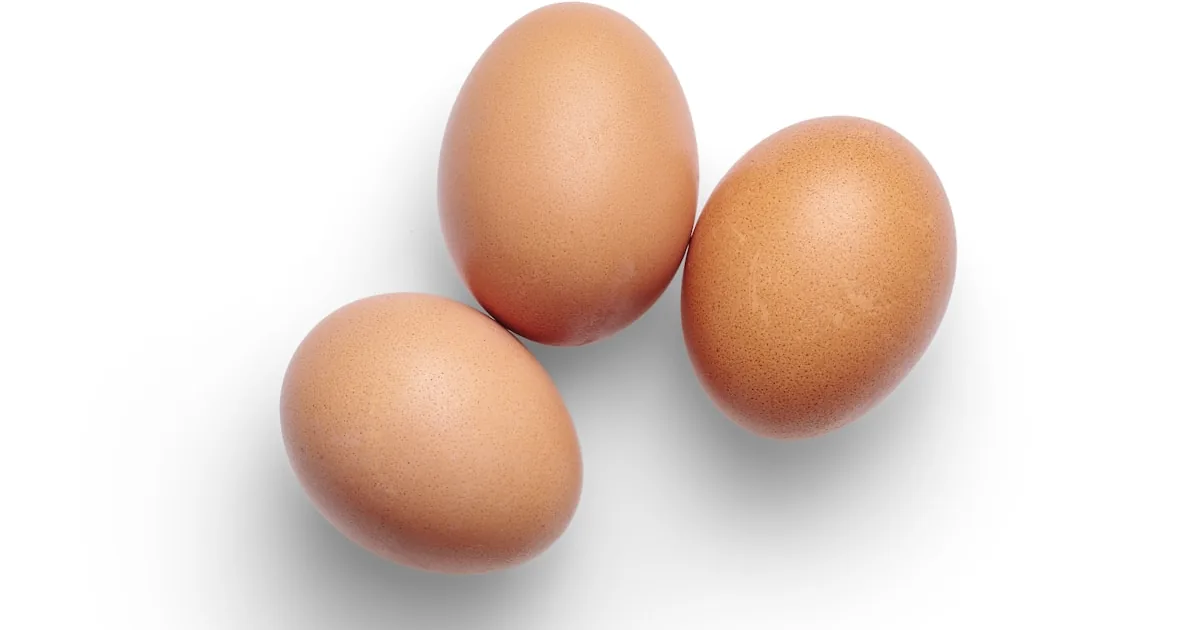
- Eggs
- Greek yogurt
- Cottage cheese
- Milk
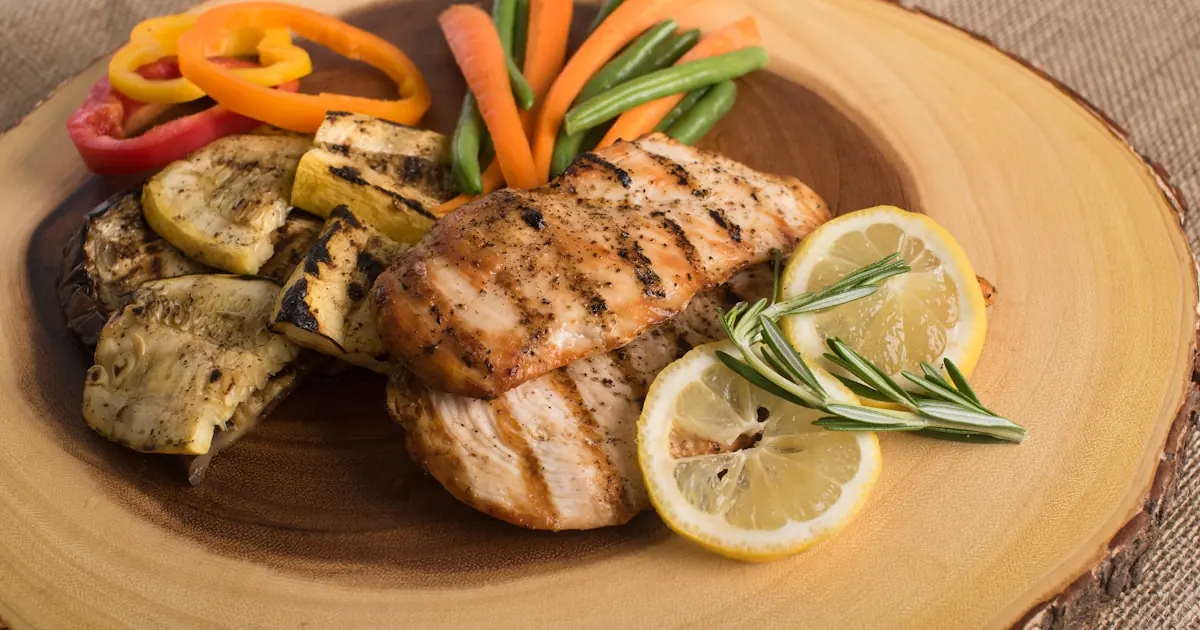
- Chicken
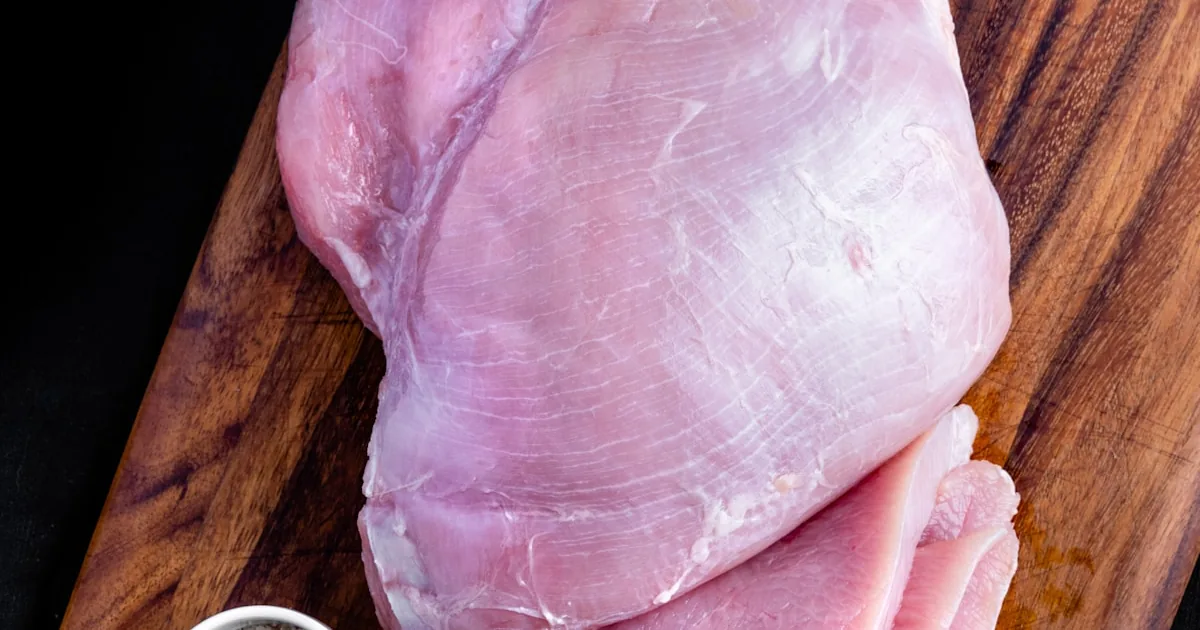
- Turkey
- Fish
- Lean beef
- Tofu
- Tempeh
- Lentils
- Beans
- Chickpeas
Energy-dense fats
- Nuts
- Nut butters
- Seeds
- Avocado
- Olive oil
- Tahini
Fat provides more calories per gram than either carbohydrate or protein, making foods rich in unsaturated fats particularly useful when you need to increase calories without dramatically increasing food volume.
Carbohydrate-rich foods
- Rice
- Oats
- Potatoes
- Sweet potatoes
- Pasta
- Bread
- Whole-grain cereals
- Quinoa
- Fruit
- Dried fruit
Carbohydrates can be especially useful for active people because they provide energy for training and help replenish glycogen.
High-Calorie Foods That Are Also Nutrient-Dense
If you have a small appetite, increasing food volume dramatically can be uncomfortable.
Instead, increase the energy density of meals.
Examples include:
Food | Easy Way to Use It |
Peanut or almond butter | Add to toast, oatmeal or smoothies |
Nuts | Add to yogurt, cereal or snacks |
Olive oil | Add to pasta, rice or vegetables |
Avocado | Add to sandwiches, eggs or bowls |
Cheese | Add to eggs, potatoes or sandwiches |
Greek yogurt | Combine with fruit, oats and nuts |
Dried fruit | Mix with nuts or cereal |
Milk | Use in oats, smoothies and drinks |
Tahini | Add to sauces, bowls and spreads |
Small additions can substantially increase the calories in a meal without requiring another full plate of food.
How Important Is Protein for Gaining Weight?
Protein becomes particularly important when the goal is to gain muscle.
Protein provides amino acids that the body uses to build and repair tissues. Resistance exercise provides a stimulus for muscle adaptation, while adequate nutrition supports the recovery and building process.
Instead of consuming nearly all your protein at one meal, it can be practical to include a protein source across meals and snacks.
For example:
Breakfast: eggs + Greek yogurt
Lunch: chicken + rice
Snack: milk + nuts
Dinner: salmon + potatoes
Evening snack: cottage cheese + fruit
You do not need to eliminate carbohydrates or fats to make room for protein. All three macronutrients can contribute to a well-designed weight-gain diet.
Weight Gain vs Muscle Gain: What Is the Difference?
These goals overlap, but they are not identical.
Weight gain simply means increasing total body mass.
Muscle gain specifically aims to increase skeletal muscle tissue.
If your main goal is muscle gain, eating more food alone is not enough to optimize the process. Resistance training is an important part of the equation.
Strength training challenges muscles to adapt. Mayo Clinic notes that strength training can help increase and preserve muscle mass and improve strength.
A muscle-focused approach therefore combines:
Calorie surplus + adequate protein + resistance training + recovery
Some fat gain can still occur during a calorie surplus. The objective is not necessarily to eliminate all fat gain, which may be unrealistic, but to support productive training and gradual progress.
Strength Training for Healthy Weight Gain
Strength training can include:
- Free weights
- Weight machines
- Resistance bands
- Bodyweight exercises
Common exercises include:
- Squats
- Lunges
- Deadlift variations
- Rows
- Pull-downs or pull-ups
- Bench presses
- Push-ups
- Overhead presses
The U.S. Physical Activity Guidelines recommend muscle-strengthening activities on at least two days per week for adults as part of general health recommendations.
Beginners should prioritize proper technique and gradually increase the difficulty of their training rather than immediately using very heavy weights.
Poor technique can increase injury risk.
How to Eat More When You Have a Small Appetite
A small appetite is one of the biggest practical obstacles to gaining weight.
You do not necessarily need to force yourself through three enormous meals.
Try eating:
Breakfast → Snack → Lunch → Snack → Dinner → Evening snack
Smaller, more frequent eating opportunities can make a higher daily calorie intake easier to achieve.
Other strategies include:
Make your existing meals more calorie-dense
Instead of doubling the amount of rice on your plate, add something calorie-dense to the meal.
For example:
Rice + chicken + vegetables
can become:
Rice + chicken + vegetables + olive oil + avocado
Drink some of your calories
Smoothies can be useful when eating another solid meal feels difficult.
A homemade smoothie might contain:
- Milk
- Banana
- Oats
- Peanut butter
- Greek yogurt
This provides calories from several nutritious foods in an easy-to-consume form.
However, if drinks make you feel full, avoid drinking large amounts immediately before meals.
Keep convenient snacks available
Useful snacks include:
- Trail mix
- Nuts
- Yogurt
- Cheese and crackers
- Peanut butter toast
- Dried fruit
- Smoothies
- Fruit with nut butter
The goal is to make consistent eating easier rather than relying on willpower every day.
Example Healthy Weight-Gain Meal Plan
There is no universal meal plan, but the following example demonstrates how calorie-dense foods can fit into a balanced day.
Breakfast
Oatmeal made with milk, topped with:
- Banana
- Peanut butter
- Nuts
Add eggs or Greek yogurt for additional protein.
Morning Snack
Greek yogurt with:
- Berries
- Granola
- Seeds
Lunch
Chicken rice bowl with:
- Rice
- Chicken
- Vegetables
- Avocado
- Olive-oil-based dressing
Afternoon Snack
Smoothie made with:
- Milk
- Banana
- Oats
- Peanut butter
- Greek yogurt
Dinner
Salmon or another protein source with:
- Potatoes or rice
- Vegetables
- Olive oil
Evening Snack
Cottage cheese or yogurt with fruit and nuts.
Portion sizes should be adjusted according to individual calorie needs, appetite, dietary preferences, allergies, and health requirements.
Can You Gain Weight Without Eating Junk Food?
Yes.
You do not need to rely on fast food, sweets, soda, or highly processed snacks to create a calorie surplus.
The NHS specifically advises against relying primarily on chocolate, cakes, and sugary drinks for weight gain.
That does not mean every food you eat must be minimally processed or that dessert can never fit into your diet. It means most of your diet should still provide the nutrients your body needs.
A bowl containing rice, salmon, avocado and olive oil can be calorie-dense while also supplying protein, carbohydrates, fats, vitamins and minerals.
How to Gain Weight Without Gaining Too Much Fat
No strategy can guarantee that every pound gained will be muscle.
However, if improving body composition is important to you, several habits can help support muscle development:
- Use a moderate rather than extreme calorie surplus.
- Perform resistance training consistently.
- Eat adequate protein.
- Train major muscle groups.
- Progress your training gradually.
- Get adequate sleep.
- Allow muscles time to recover.
- Track changes over weeks rather than days.
Trying to gain weight extremely quickly by consuming a very large calorie surplus does not automatically cause muscle to grow faster.
How Fast Should You Gain Weight?
There is no universal ideal rate of weight gain.
The appropriate pace depends on:
- Your starting weight
- Your health
- Your calorie intake
- Your training status
- Your muscle-building experience
- Your goals
For general healthy weight gain, gradual progress is usually more practical than attempting rapid changes.
Daily scale weight also fluctuates because of water, food intake, glycogen, sodium, bowel contents, and other factors.
For that reason, look at the trend over several weeks rather than reacting to a single measurement.
Why Did My Weight Increase So Quickly at First?
Not every early increase on the scale represents newly created muscle or body fat.
Increasing food and carbohydrate intake can also increase:
- Food in the digestive system
- Stored glycogen
- Water associated with glycogen
- Sodium-related water retention
This is one reason short-term changes should not be overinterpreted.
Common Weight-Gain Mistakes
1. Eating inconsistently
Eating 3,500 calories one day and very little the next may leave your weekly average close to maintenance.
Consistency matters.
2. Trying to gain weight entirely with junk food
Calories matter for weight gain, but nutrition still matters for health.
3. Eating huge meals when you have a small appetite
Smaller meals and snacks may be much easier.
4. Focusing only on protein
Protein is important, particularly for muscle building, but carbohydrates and fats also have important roles.
5. Doing large amounts of exercise without adjusting calories
Exercise increases energy expenditure. If activity rises while calorie intake stays the same, maintaining a surplus can become more difficult.
6. Expecting immediate muscle growth
Building meaningful muscle takes time and consistent training.
7. Changing the plan because of one weigh-in
Short-term body-weight fluctuations are normal.
How to Track Your Weight-Gain Progress
You do not need to obsess over the scale.
Instead, monitor useful indicators such as:
- Average body weight
- Strength progression
- Training performance
- Energy levels
- Appetite
- How clothes fit
- Body measurements, if useful for your goal
Try to weigh yourself under reasonably similar conditions when comparing measurements.
For example, morning measurements taken after using the bathroom and before breakfast are generally easier to compare than measurements taken randomly throughout the day.
Then focus on your longer-term trend.
What If You Are Eating More but Still Not Gaining Weight?
First, check whether you are actually eating consistently above your usual needs.
A simple approach is:
- Track your intake for a short period.
- Monitor your average weight.
- Maintain the plan consistently.
- Review the trend after several weeks.
- Increase calories modestly if weight remains unchanged.
Remember that calorie calculators provide estimates. Your real-world response helps refine those estimates.
If you continue to lose weight despite trying to eat more, or have symptoms that concern you, speak with a healthcare professional.
When Should You Talk to a Doctor or Dietitian?
Trying to gain weight is not always simply a fitness or calorie issue.
Mayo Clinic advises seeking professional guidance when weight has been lost unexpectedly, and the NHS similarly recommends speaking with a healthcare professional about sudden or unexplained weight loss.
Seek medical advice if you:
- Have lost weight unexpectedly
- Continue losing weight without trying
- Have a very poor appetite
- Have persistent digestive symptoms
- Have difficulty eating or swallowing
- Are concerned about being underweight
- Use control of food to cope with emotions or situations
- Have a medical condition that affects your diet
- Are recovering from illness or surgery
A doctor can investigate potential causes, while a registered dietitian can help create an eating plan appropriate for your nutritional and medical needs.
Frequently Asked Questions
The Bottom Line
The most effective way to gain weight is not simply to eat as much as possible.
A better approach is to create a consistent, manageable calorie surplus while choosing foods that also provide protein, carbohydrates, healthy fats, vitamins, and minerals.
For people who want to build muscle, pair that nutrition strategy with regular resistance training and adequate recovery.
If large meals are difficult, make your existing meals more calorie-dense, eat smaller meals more frequently, and use nutritious snacks or smoothies between meals.
Most importantly, treat weight gain as a gradual process. Monitor trends over weeks, adjust your intake based on your actual results, and seek medical guidance if low weight or weight loss is unexplained.
Sources and Medical References
This article is based on general healthy weight-gain and physical-activity guidance from the NHS, Mayo Clinic, and the U.S. Department of Health and Human Services.
It is intended for general educational purposes and is not a substitute for individualized medical or dietetic advice.
Best Workout Routines for Beginners: A Simple Wee…