The Mediterranean diet is not a strict diet with complicated rules, special products, or a fixed calorie limit.
It is an eating pattern inspired by traditional diets from countries around the Mediterranean Sea. It emphasizes vegetables, fruits, beans, lentils, whole grains, nuts, seeds, olive oil, fish, and other minimally processed foods.
Fish and seafood are commonly eaten, while poultry, eggs, yogurt, and cheese can be included in moderate amounts. Red and processed meats, sugary foods, refined grains, and highly processed foods are generally eaten less often.
The American Heart Association recognizes a Mediterranean-style diet as a heart-healthy eating pattern that emphasizes plant foods, whole grains, legumes, nuts, fish, poultry, and unsaturated fats.
If you are new to the Mediterranean diet, you do not need to change everything overnight. Start by adding more vegetables, replacing some refined grains with whole grains, eating beans more often, using olive oil instead of butter when appropriate, and choosing fish or plant proteins more frequently.
This beginner's guide includes a complete Mediterranean diet food list, foods to limit, potential benefits, practical tips, and a simple 7-day meal plan.
What Is the Mediterranean Diet?
The Mediterranean diet is a mostly plant-forward eating pattern based on foods traditionally eaten in Mediterranean regions.
There is no single official Mediterranean diet because food traditions differ among countries and communities around the Mediterranean Sea. However, these eating patterns tend to share several characteristics.
A Mediterranean-style diet generally emphasizes:
- Vegetables
- Whole fruits
- Beans and lentils
- Whole grains
- Nuts and seeds
- Olive oil
- Fish and seafood
- Herbs and spices
It can also include moderate amounts of:
- Yogurt
- Cheese
- Eggs
- Poultry
Foods such as processed meats, large amounts of red meat, sweets, sugary drinks, refined grains, and highly processed foods are generally limited.
Harvard describes the Mediterranean diet as primarily plant-based, with whole grains, vegetables, fruits, beans, nuts, herbs, spices, and olive oil forming much of the eating pattern.
Mediterranean Diet at a Glance
A simple way to understand the Mediterranean diet is:
Eat more often:
Vegetables, fruit, beans, lentils, whole grains, nuts, seeds, olive oil, herbs, and spices.
Eat regularly:
Fish and seafood.
Eat moderately:
Eggs, yogurt, cheese, and poultry.
Eat less often:
Red meat, processed meats, sweets, sugary drinks, refined grains, and highly processed foods.
You do not need to completely ban foods to follow a Mediterranean-style diet.
The overall pattern matters more than an occasional meal.
Mediterranean Diet Food List
Vegetables
Vegetables are one of the foundations of Mediterranean-style eating.
Choose different colors and varieties, such as:
- Tomatoes
- Spinach
- Broccoli
- Cauliflower
- Carrots
- Bell peppers
- Cucumbers
- Eggplant
- Zucchini
- Mushrooms
- Onions
- Leafy greens
- Green beans
- Cabbage
Fresh vegetables are excellent, but frozen vegetables can also be convenient and nutritious.
Use vegetables in salads, soups, pasta dishes, grain bowls, omelets, curries, sandwiches, and side dishes.
Fruits
Whole fruit provides fiber, water, vitamins, minerals, and natural sweetness.
Good choices include:
Fruit can also replace highly sweetened desserts more often.
Beans and Lentils
Legumes are especially useful because they provide both plant protein and fiber.
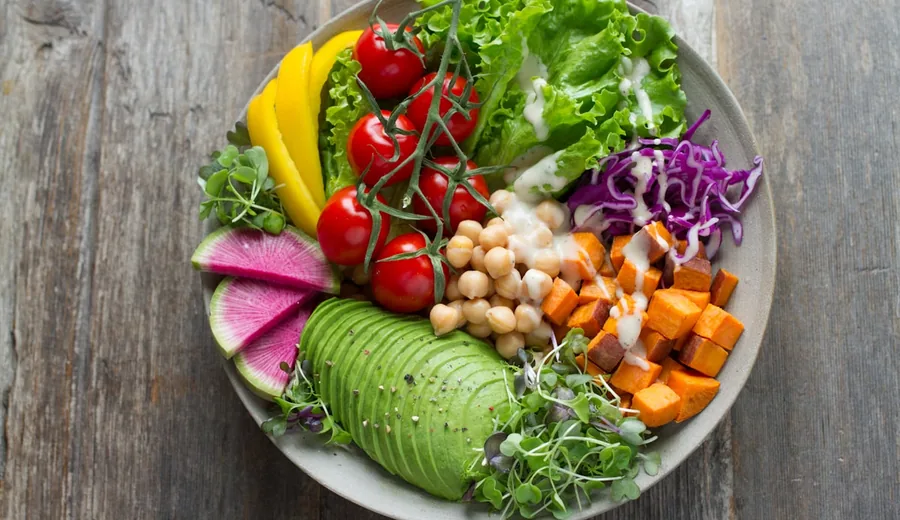
Examples include:
- Lentils
- Chickpeas
- Black beans
- Kidney beans
- White beans
- Cannellini beans
- Peas
Try adding beans to soups, salads, grain bowls, stews, and pasta dishes.
Whole Grains
Choose whole grains more often than highly refined grains.
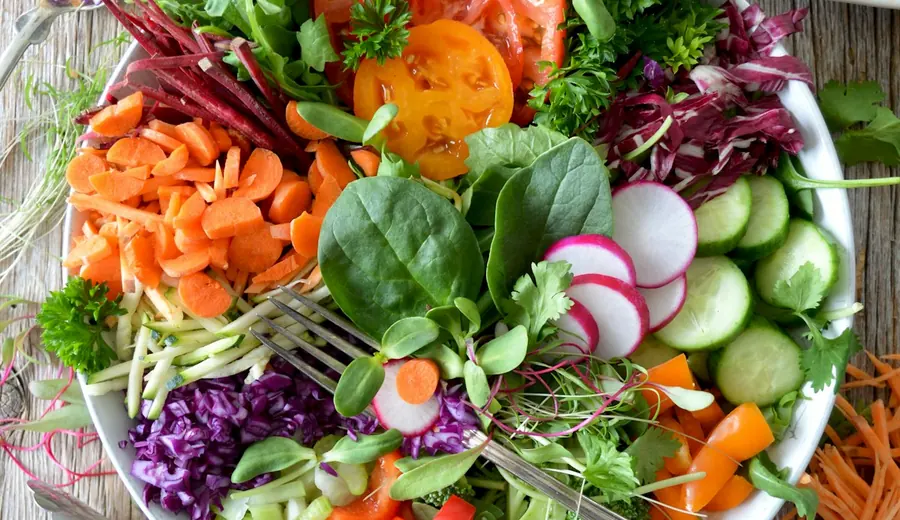
Options include:
- Oats
- Brown rice
- Whole-grain bread
- Whole-grain pasta
- Barley
- Bulgur
- Quinoa
- Farro
You do not need to eliminate bread, pasta, or rice.
The Mediterranean diet is not a low-carbohydrate diet.
Fish and Seafood
Fish is one of the preferred animal protein sources in a traditional Mediterranean eating pattern.
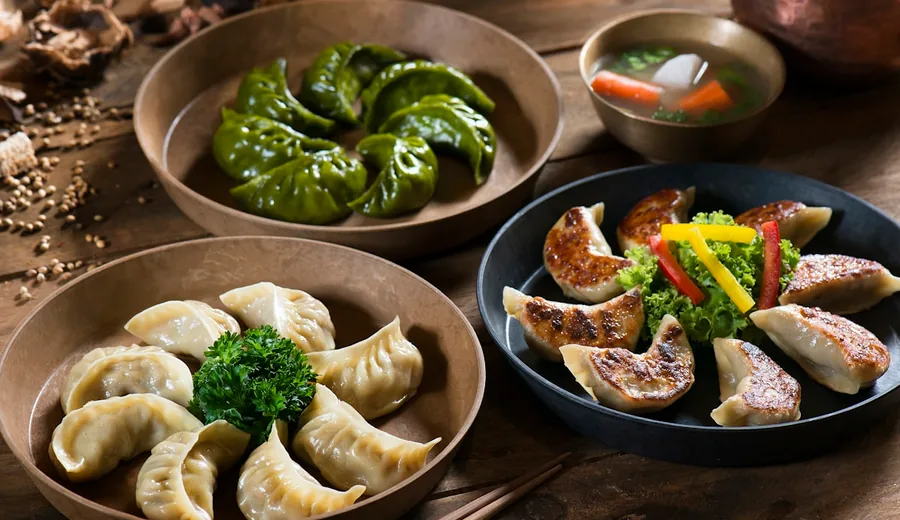
Examples include:
- Salmon
- Sardines
- Tuna
- Trout
- Cod
- Mackerel
- Shrimp
- Other seafood
Harvard's Mediterranean diet framework traditionally places greater emphasis on fish and seafood than on red meat.
Nuts and Seeds
Nuts and seeds provide unsaturated fats, fiber, protein, and other nutrients.
Try:
- Almonds
- Walnuts
- Pistachios
- Hazelnuts
- Chia seeds
- Flaxseeds
- Pumpkin seeds
- Sunflower seeds
They are nutritious but calorie-dense, so moderate portions are usually sufficient.
Olive Oil
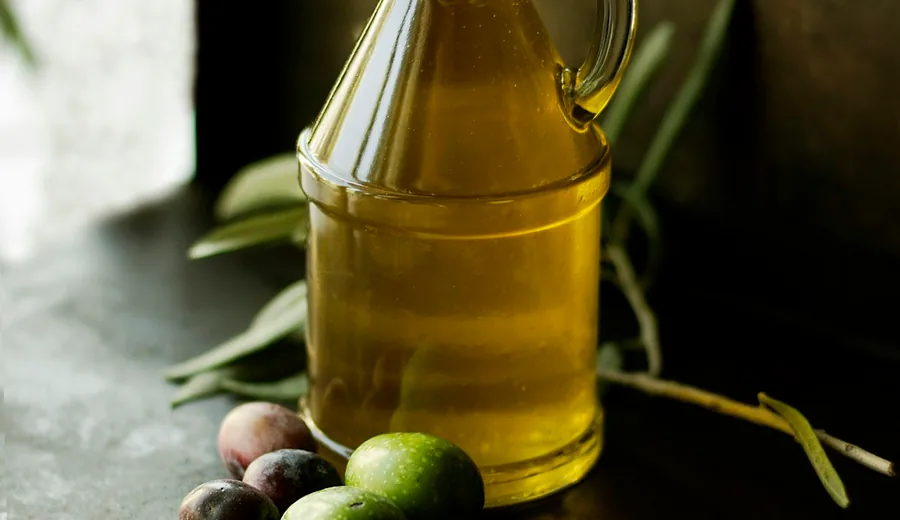
Olive oil is commonly used as a primary added fat in Mediterranean-style eating.
Use it for:
- Salad dressing
- Roasting vegetables
- Cooking
- Drizzling over beans
- Flavoring whole grains
You do not need unlimited olive oil.
It remains an energy-dense food, so portions can matter if you are trying to manage calorie intake.
Dairy Foods
Mediterranean-style diets may include moderate amounts of foods such as:
- Plain yogurt
- Greek yogurt
- Cheese
Choose portions that fit your nutritional and calorie needs.
Plain yogurt with fruit, nuts, or oats makes an easy Mediterranean-style breakfast or snack.
Eggs
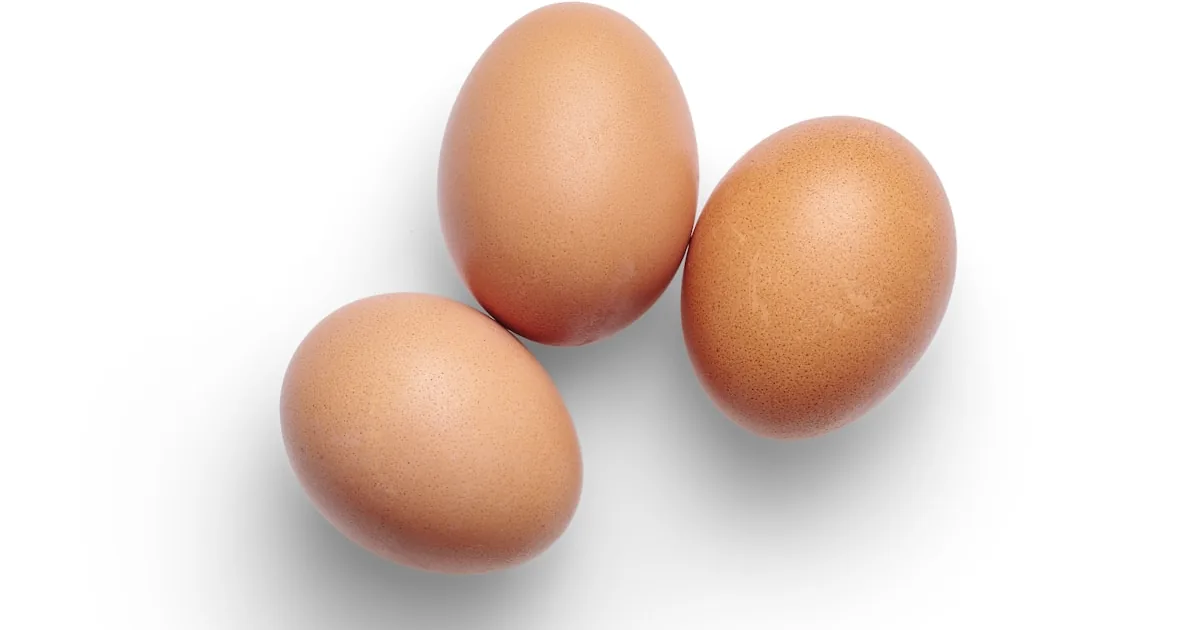
Eggs can fit comfortably into the Mediterranean diet.
Try them:
- Boiled
- Poached
- Scrambled with vegetables
- In vegetable omelets
- Added to grain bowls
Poultry
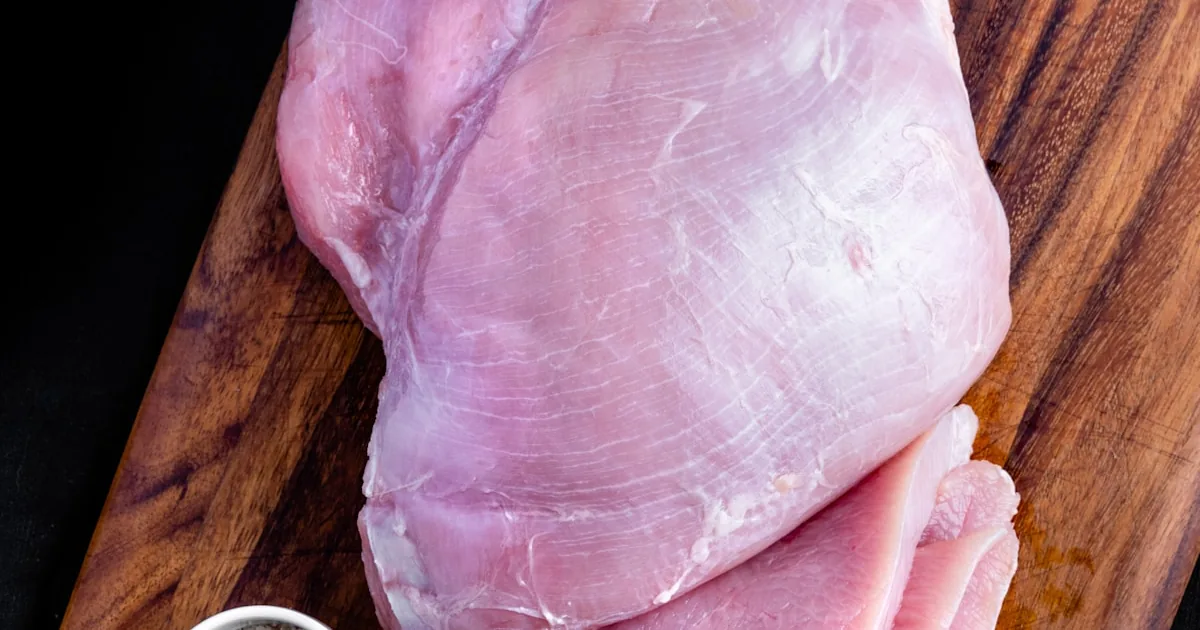
Chicken and turkey can be included, particularly in place of frequent red or processed meat.
Use preparations such as:
- Grilled chicken
- Baked chicken
- Chicken vegetable soup
- Chicken grain bowls
- Chicken salads
Herbs and Spices
Mediterranean-style eating uses plenty of flavor without depending entirely on salt or heavy sauces.
Useful options include:
- Garlic
- Basil
- Oregano
- Parsley
- Rosemary
- Thyme
- Black pepper
- Paprika
- Cumin
- Lemon
These can make simple whole foods much more enjoyable.
Foods to Limit on a Mediterranean Diet
The Mediterranean diet is flexible, but several foods are generally eaten less frequently.
These include:
- Processed meats
- Large amounts of red meat
- Sugary drinks
- Candy
- Pastries
- Highly processed snacks
- Refined grains
- Foods high in added sugar
- Large amounts of saturated fat
Current American Heart Association guidance similarly emphasizes minimally processed foods, whole grains, fruits, vegetables, healthy protein sources, and unsaturated fats while minimizing highly processed foods, added sugars, and excess saturated fat.
The goal is not perfection.
Eating cake at a birthday party or occasionally having a burger does not mean you have stopped following a Mediterranean-style eating pattern.
Is Wine Required on the Mediterranean Diet?
No.
Wine is not required to follow the Mediterranean diet.
Some traditional Mediterranean eating patterns included wine with meals, which is why older versions of Mediterranean diet guides sometimes mention it.
However, you should not start drinking alcohol because you want to follow this diet.
The American Heart Association's updated 2026 dietary guidance states that people who do not drink alcohol should not start.
You can follow a Mediterranean diet perfectly well while drinking:
- Water
- Sparkling water
- Unsweetened tea
- Coffee
- Milk or suitable alternatives
Potential Benefits of the Mediterranean Diet
1. Supports Heart Health
Cardiovascular health is one of the areas with the strongest evidence supporting Mediterranean-style eating.
The American Heart Association recommends dietary patterns emphasizing vegetables, fruits, whole grains, legumes, nuts, fish, healthy protein sources, and unsaturated fats.
Harvard's review also notes consistent evidence linking Mediterranean dietary patterns with lower cardiovascular disease risk.
This benefit probably reflects the overall eating pattern rather than one magical ingredient.
2. Provides Plenty of Fiber
A Mediterranean diet naturally includes many fiber-rich foods:
- Vegetables
- Fruit
- Beans
- Lentils
- Whole grains
- Nuts
- Seeds
Fiber supports digestive health and can help make meals more satisfying.
3. Emphasizes Unsaturated Fats
Instead of relying heavily on butter or foods rich in saturated fat, Mediterranean-style eating emphasizes foods such as:
- Olive oil
- Nuts
- Seeds
- Fish
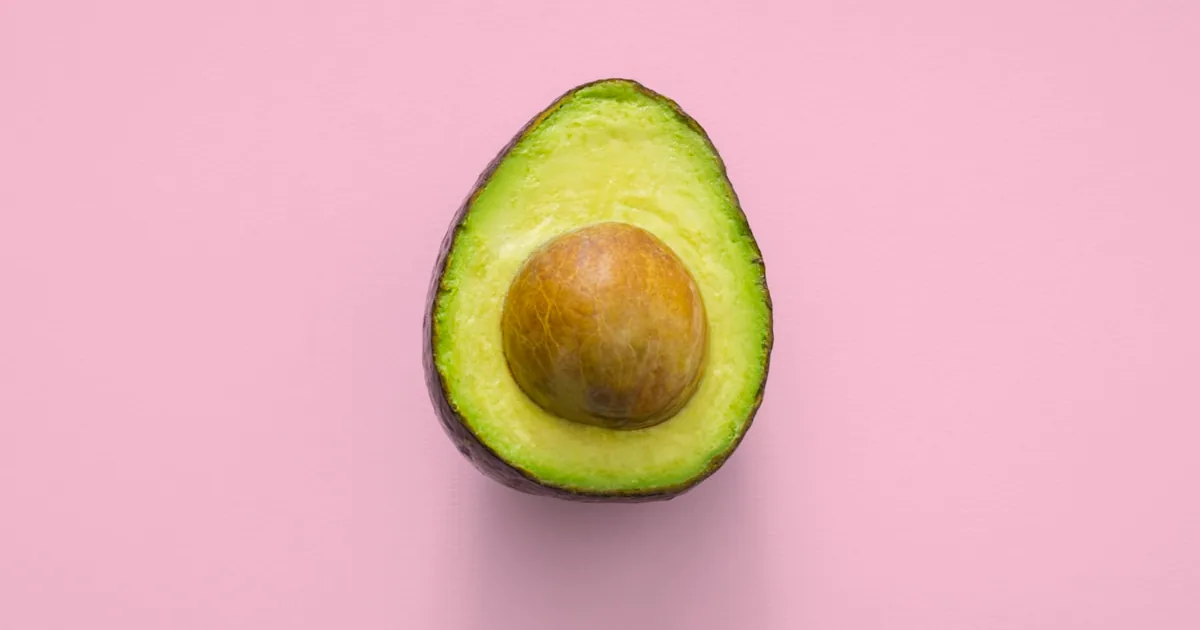
- Avocado
The American Heart Association recommends replacing sources of saturated fat with unsaturated fats as part of a heart-healthy dietary pattern.
4. Encourages More Plant Foods
You do not have to become vegetarian.
However, vegetables, fruit, legumes, whole grains, nuts, seeds, and herbs make up much of the diet.
That naturally increases dietary variety.
5. Can Support Healthy Weight Management
The Mediterranean diet is not automatically a weight-loss diet.
Weight loss still requires an appropriate calorie deficit.
However, a dietary pattern built around vegetables, legumes, whole grains, fruit, protein-rich foods, and minimally processed ingredients can make it easier for some people to build satisfying meals.
Harvard notes that a Mediterranean diet can support healthy weight loss when combined with appropriate calorie restriction.
6. Encourages Overall Diet Quality
One useful feature of the Mediterranean diet is that it does not focus on one nutrient.
It brings together:
- Protein
- Fiber
- Whole-food carbohydrates
- Unsaturated fats
- Vitamins
- Minerals
- Plant foods
That makes it more of an overall eating pattern than a temporary diet challenge.
How to Start the Mediterranean Diet
You do not have to completely rebuild your kitchen.
Start with a few practical changes.
Make Vegetables a Bigger Part of Meals
Instead of:
Chicken + large serving of refined pasta
try:
Chicken + vegetables + whole-grain pasta
Eat Beans More Often
Add:
- Lentils to soup
- Chickpeas to salad
- Beans to rice bowls
- Hummus to wraps
Switch Some Refined Grains
Try:
- Whole-grain bread
- Oats
- Brown rice
- Whole-grain pasta
You do not need every grain to be whole grain immediately.
Eat Fish More Often
Replace some red or processed meat meals with fish or seafood when accessible and affordable.
Use Olive Oil Appropriately
Use olive oil instead of relying heavily on butter or other saturated fats.
Snack on Whole Foods
Instead of always reaching for highly processed snacks, try:
- Fruit
- Plain yogurt
- Nuts
- Vegetables with hummus
Flavor Food With Herbs and Spices
Use lemon, garlic, basil, oregano, parsley, rosemary, cumin, and pepper.
Healthy food should still taste good.
7-Day Mediterranean Diet Meal Plan for Beginners
This meal plan is an example, not a fixed prescription.
Portions should be adjusted based on your:
- Age
- Body size
- Activity level
- Calorie needs
- Health
- Goals
Day 1
Breakfast: Greek Yogurt and Berry Bowl
Combine:
- Plain Greek yogurt
- Berries
- Oats
- Walnuts
- Cinnamon
This provides protein, fruit, whole grains, and unsaturated fats.
Lunch: Chickpea Mediterranean Salad
Combine:
- Chickpeas
- Tomato
- Cucumber
- Spinach or mixed greens
- Bell pepper
- Parsley
- Olive oil
- Lemon juice
Serve with whole-grain bread if desired.
Snack
Apple with a small handful of almonds.
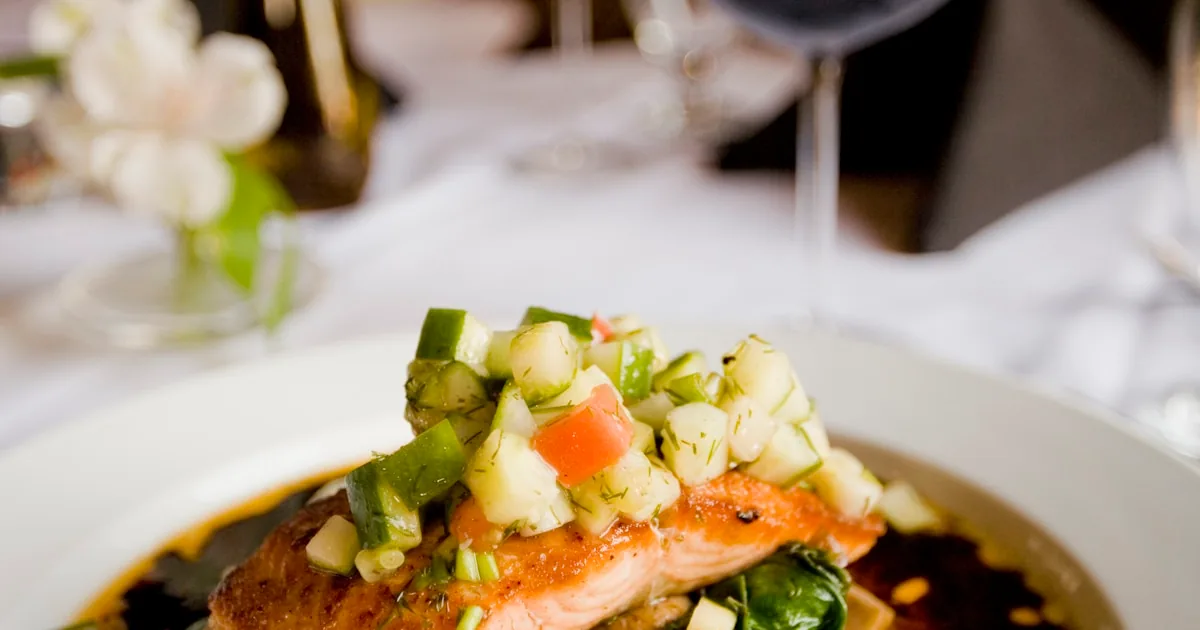
Dinner: Salmon With Potatoes and Vegetables
Serve:
- Baked salmon
- Roasted potatoes
- Broccoli
- Side salad
Season with lemon, garlic, herbs, and a modest amount of olive oil.
Day 2
Breakfast: Oatmeal With Fruit and Nuts
Cook oats and add:
- Milk or suitable alternative
- Berries
- Walnuts
- Cinnamon
Plain Greek yogurt can be added for extra protein.
Lunch: Lentil Soup
Prepare lentils with:
- Tomatoes
- Carrots
- Onion
- Spinach
- Garlic
- Herbs
Serve with whole-grain bread.
Snack
Plain yogurt with fruit.
Dinner: Chicken and Brown Rice Bowl
Combine:
- Grilled chicken
- Brown rice
- Cucumber
- Tomato
- Leafy greens
- Chickpeas
Finish with lemon and olive oil.
Day 3
Breakfast: Eggs With Whole-Grain Toast
Serve:
- Eggs
- Whole-grain toast
- Tomatoes
- Spinach
- Fresh fruit
Lunch: Tuna White Bean Salad
Combine:
- Tuna
- White beans
- Cucumber
- Tomato
- Leafy greens
- Onion
- Lemon
- Olive oil
Snack
Orange with a small portion of pistachios.
Dinner: Whole-Grain Pasta With Vegetables
Use:
- Whole-grain pasta
- Tomatoes
- Mushrooms
- Spinach
- Zucchini
- Garlic
- Olive oil
Add beans, chicken, or seafood if you want more protein.
Day 4
Breakfast: Overnight Oats
Combine:
- Oats
- Plain Greek yogurt
- Milk
- Chia seeds
- Berries
- Cinnamon
Refrigerate overnight.
Lunch: Hummus and Vegetable Wrap
Fill a whole-grain wrap with:
- Hummus
- Spinach
- Tomato
- Cucumber
- Bell pepper
- Carrot
Serve with fruit.
Snack
Greek yogurt or a small handful of nuts.
Dinner: Baked Fish With Quinoa
Serve:
- Baked fish
- Quinoa
- Roasted vegetables
- Green salad
Day 5
Breakfast: Vegetable Omelet
Prepare eggs with:
- Spinach
- Mushrooms
- Tomato
- Onion
Serve with whole-grain toast.
Lunch: Mediterranean Grain Bowl
Combine:
- Quinoa or brown rice
- Chickpeas
- Tomatoes
- Cucumber
- Greens
- Herbs
- Olive oil
- Lemon
Snack
Pear with walnuts.
Dinner: Lentil and Vegetable Stew
Prepare:
- Lentils
- Tomatoes
- Carrots
- Spinach
- Onion
- Garlic
Serve with whole-grain bread or a modest portion of brown rice.
Day 6
Breakfast: Greek Yogurt, Apple, and Walnuts
Combine:
- Plain Greek yogurt
- Chopped apple
- Walnuts
- Oats
- Cinnamon
Lunch: Chicken Mediterranean Salad
Use:
- Grilled chicken
- Mixed greens
- Chickpeas
- Tomato
- Cucumber
- Bell pepper
- Olive oil
- Lemon
Snack
Carrots and cucumber with hummus.
Dinner: Bean and Vegetable Whole-Grain Pasta
Combine:
- Whole-grain pasta
- White beans
- Tomatoes
- Spinach
- Mushrooms
- Garlic
- Herbs
Day 7
Breakfast: Avocado and Egg Toast
Top whole-grain toast with:
- Avocado
- Egg
- Tomato
- Black pepper
Serve with fresh fruit.
Lunch: Lentil and Quinoa Bowl
Combine:
- Lentils
- Quinoa
- Spinach
- Cucumber
- Tomatoes
- Bell pepper
- Herbs
- Lemon
Snack
Plain Greek yogurt with berries.
Dinner: Salmon, Brown Rice, and Vegetables
Serve:
- Salmon
- Brown rice
- Broccoli
- Carrots
- Side salad
Use herbs, garlic, lemon, and olive oil for flavor.
7-Day Mediterranean Meal Plan at a Glance
Day | Breakfast | Lunch | Snack | Dinner |
1 | Greek yogurt & berries | Chickpea salad | Apple & almonds | Salmon, potatoes & vegetables |
2 | Oatmeal & nuts | Lentil soup | Yogurt & fruit | Chicken brown rice bowl |
3 | Eggs & whole-grain toast | Tuna white bean salad | Orange & pistachios | Vegetable whole-grain pasta |
4 | Overnight oats | Hummus vegetable wrap | Yogurt or nuts | Fish, quinoa & vegetables |
5 | Vegetable omelet | Mediterranean grain bowl | Pear & walnuts | Lentil vegetable stew |
6 | Yogurt, apple & walnuts | Chicken Mediterranean salad | Vegetables & hummus | Bean vegetable pasta |
7 | Avocado egg toast | Lentil quinoa bowl | Yogurt & berries | Salmon, rice & vegetables |
Mediterranean Diet Grocery List
Vegetables
- Spinach
- Lettuce
- Tomatoes
- Cucumbers
- Broccoli
- Carrots
- Bell peppers
- Zucchini
- Mushrooms
- Onion
- Garlic
Fruits
- Apples
- Oranges
- Berries
- Pears
- Bananas
- Seasonal fruit
Protein Foods
- Salmon
- Tuna
- Other fish
- Chicken
- Eggs
- Greek yogurt
- Lentils
- Chickpeas
- Beans
Whole Grains
- Oats
- Brown rice
- Quinoa
- Whole-grain bread
- Whole-grain wraps
- Whole-grain pasta
Healthy Fat Sources
- Olive oil
- Walnuts
- Almonds
- Pistachios
- Chia seeds
- Avocado
Flavorings
- Lemon
- Garlic
- Oregano
- Basil
- Parsley
- Rosemary
- Black pepper
- Paprika
- Cumin
Mediterranean Diet for Weight Loss
You can lose weight while following the Mediterranean diet, but the diet itself does not guarantee weight loss.
Your total calorie intake still matters.
For example, foods such as:
- Olive oil
- Nuts
- Seeds
- Avocado
- Cheese
are nutritious but also calorie-dense.
If weight loss is your goal, use these foods in reasonable portions rather than assuming nutritious foods can be eaten without limit.
Build meals around:
Protein + vegetables + fiber-rich carbohydrates + moderate healthy fats
For example:
Salmon + broccoli + potatoes + olive oil dressing
or:
Lentils + vegetables + brown rice + yogurt
Mediterranean Diet on a Budget
The Mediterranean diet does not have to revolve around expensive salmon, imported olive oil, or specialty foods.
Affordable staples can include:
- Lentils
- Beans
- Chickpeas
- Eggs
- Oats
- Brown rice
- Potatoes
- Seasonal vegetables
- Seasonal fruit
- Canned fish
- Frozen vegetables
Use fresh fish when affordable and canned or frozen alternatives when practical.
Choose locally available foods that fit the overall Mediterranean eating pattern rather than trying to copy a specific European menu exactly.
Vegetarian Mediterranean Diet
The Mediterranean diet is naturally adaptable to vegetarian eating.
Useful proteins include:
- Lentils
- Beans
- Chickpeas
- Eggs
- Greek yogurt
- Cheese
- Tofu
- Nuts
- Seeds
For example:
Fish dinner → lentil and bean bowl
Chicken salad → chickpea and egg salad
Tuna sandwich → hummus and vegetable sandwich
Common Mediterranean Diet Mistakes
Thinking It Means Eating Unlimited Olive Oil
Olive oil is a useful unsaturated fat, but it still provides calories.
Use it intentionally.
Eating Only Pasta and Bread
The Mediterranean diet includes grains, but vegetables, legumes, fruit, nuts, and protein foods are equally important.
Buying Expensive “Mediterranean” Products
You do not need products with “Mediterranean” printed on the package.
Beans, vegetables, oats, fish, fruit, and olive oil are enough.
Ignoring Portions
A nutritious diet can still provide more energy than your body needs.
Portions remain relevant, particularly if weight management is your goal.
Assuming Red Meat Is Forbidden
The Mediterranean diet generally emphasizes fish, plant proteins, and poultry more often than red meat.
It does not require complete elimination.
Starting to Drink Wine for Health
Alcohol is not required.
If you do not drink, do not start drinking simply because some older Mediterranean diet descriptions include wine.
Changing Everything at Once
You do not need to transform your diet overnight.
A gradual approach is usually easier to maintain.
Frequently Asked Questions
The Bottom Line
The Mediterranean diet is not a temporary detox or a rigid meal program.
It is a flexible eating pattern built around:
Vegetables, fruits, legumes, whole grains, nuts, seeds, olive oil, fish, and minimally processed foods.
You can also include moderate amounts of eggs, yogurt, cheese, and poultry while eating red meat, processed meats, sweets, sugary drinks, and highly processed foods less often.
Research and major cardiovascular-health organizations support Mediterranean-style eating as a healthy dietary pattern, particularly for cardiovascular health.
If you are just starting, keep it simple.
Add vegetables to meals.
Eat beans and lentils more often.
Choose whole grains.
Use unsaturated fats such as olive oil.
Eat fish when practical.
Snack on fruit, yogurt, or nuts.
And remember that you do not need to eat exactly like someone living in Greece or Italy to benefit from the principles of Mediterranean-style eating.
The best version is one that fits your culture, budget, food preferences, and nutritional needs well enough to become part of your normal life.