Inflammation is a normal part of the body’s defense system. It helps protect you when you are injured or fighting an infection. The problem starts when inflammation becomes long-lasting.
Chronic inflammation has been linked with several health problems, including heart disease, type 2 diabetes, and other metabolic conditions. While no single food can “cure” inflammation, your everyday eating habits can make a meaningful difference to your overall health.
An anti-inflammatory diet is mainly built around whole, minimally processed foods such as vegetables, fruits, whole grains, legumes, nuts, seeds, fish, and healthy fats.
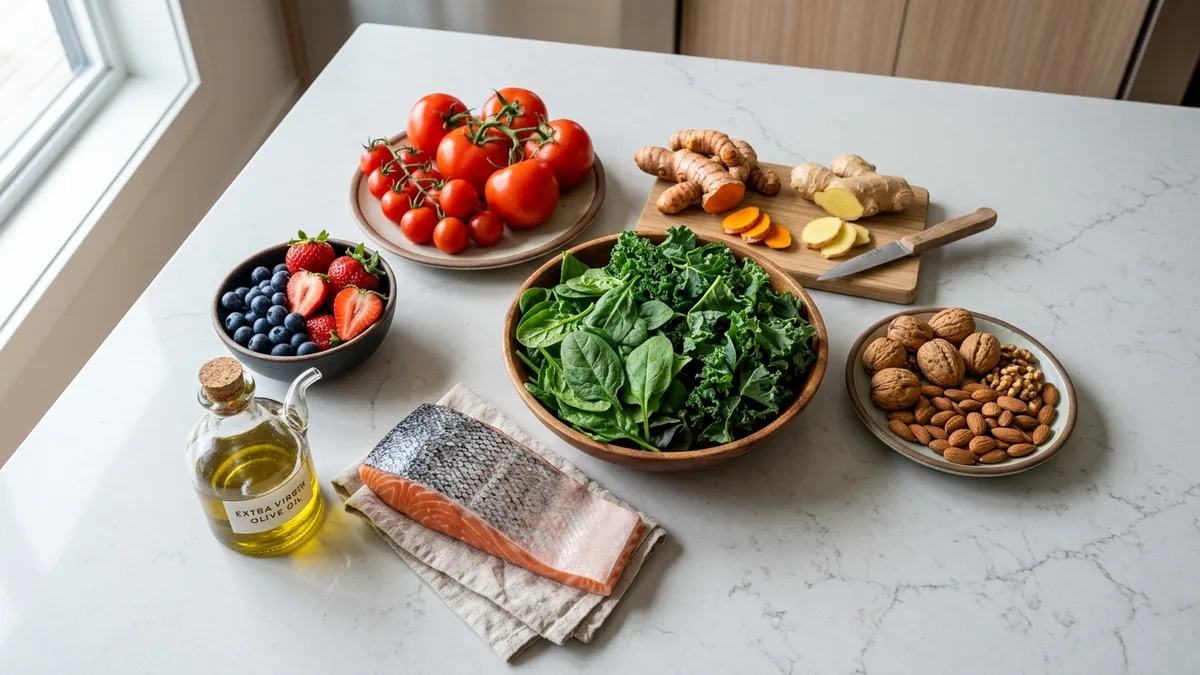
Some of the best anti-inflammatory foods include berries, leafy greens, tomatoes, broccoli, salmon, olive oil, walnuts, lentils, oats, turmeric, ginger, and green tea.
The key is not to search for one miracle food. A varied, balanced eating pattern matters much more.
What Are Anti-Inflammatory Foods?
Anti-inflammatory foods are foods that contain nutrients and plant compounds that may support a healthier inflammatory response in the body.
These foods are often rich in:
- Omega-3 fatty acids
- Antioxidants
- Polyphenols
- dietary fiber
- Unsaturated fats
- Carotenoids
- Vitamins and minerals
There is no single official “anti-inflammatory diet.” Instead, the term usually refers to an eating pattern based on whole foods and fewer heavily processed products.
Mediterranean-style eating is often used as an example because it focuses on vegetables, fruit, whole grains, legumes, fish, nuts, seeds, and olive oil.
What Is Chronic Inflammation?
Inflammation can be short-term or long-term.
Acute inflammation happens for a reason and usually disappears after the body has dealt with an injury or infection.
Chronic inflammation can continue over a longer period and may be influenced by several factors, including poor diet, smoking, chronic stress, lack of sleep, excess body fat, and certain medical conditions.
The goal of an anti-inflammatory eating pattern is not to “switch inflammation off.” Instead, it is to support overall health with foods that provide fiber, healthy fats, antioxidants, and other beneficial nutrients.
30 Best Anti-Inflammatory Foods
Below are 30 foods that can fit naturally into a balanced anti-inflammatory diet.
1. Blueberries
Blueberries are rich in anthocyanins, the plant pigments that give them their deep blue and purple color.
They also contain vitamin C and fiber.
Blueberries are easy to add to:
- Oatmeal
- Yogurt
- Smoothies
- Whole-grain cereal
They make a simple way to add more colorful plant foods to your day.
2. Strawberries
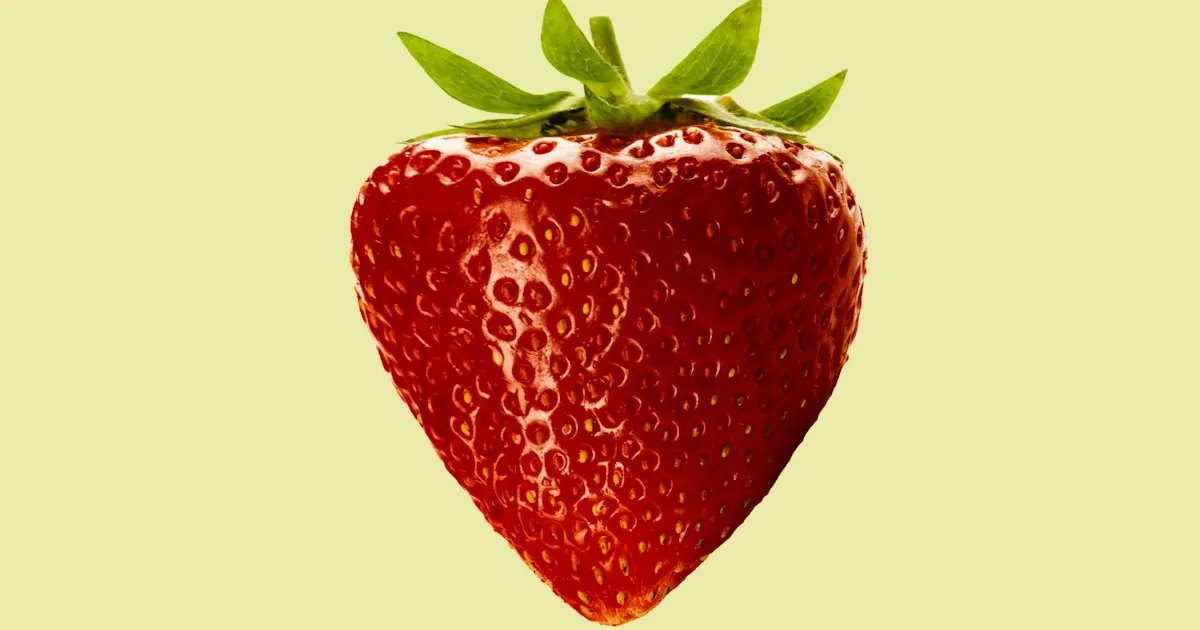
Strawberries provide vitamin C, fiber, and several antioxidant compounds.
They work well as a snack or as part of breakfast.
Try adding strawberries to yogurt, oatmeal, smoothies, or salads.
3. Cherries
Cherries contain anthocyanins and other polyphenols.
Both sweet and tart cherries can be included in a healthy eating pattern.
Whole cherries are generally a better everyday choice than cherry-flavored foods that contain large amounts of added sugar.
4. Oranges
Oranges are a good source of vitamin C, folate, fiber, and flavonoids.
Whole oranges are usually more filling than juice because they retain their fiber.
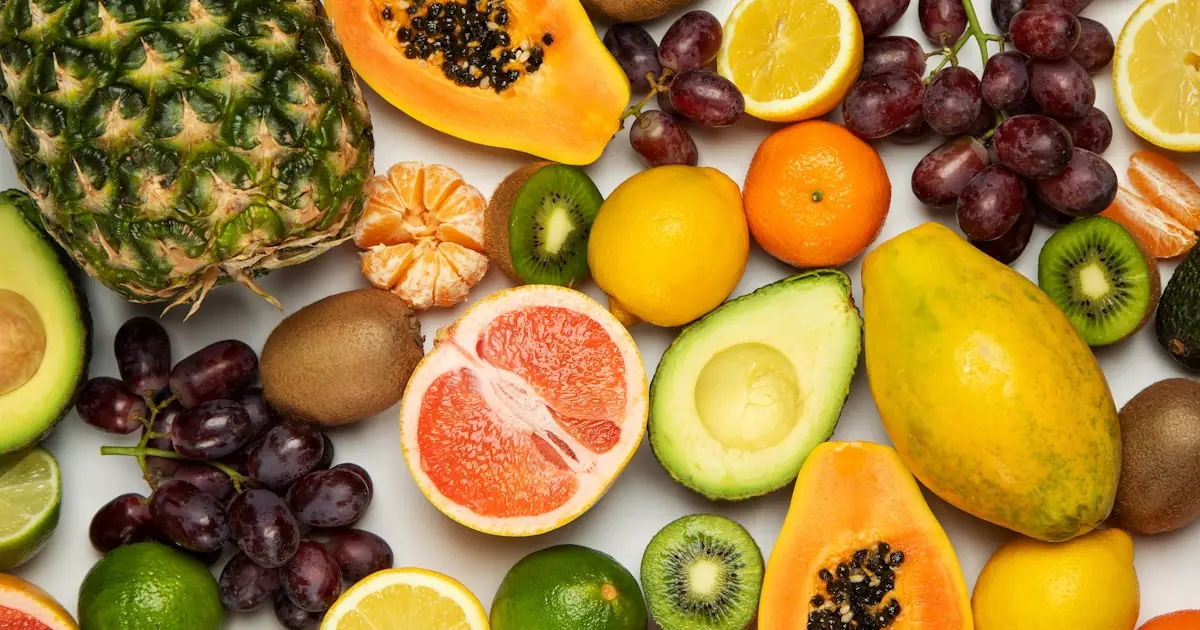
Other citrus fruits, including grapefruit, mandarins, lemons, and limes, can also be useful additions to meals.
5. Apples
Apples contain fiber and polyphenols, especially in and just beneath the skin.
They are easy to eat on their own and pair well with nuts or yogurt for a more filling snack.
6. Avocado
Avocado is rich in monounsaturated fats and also provides fiber, potassium, and several micronutrients.
It can be used in:
- Toast
- Salads
- Grain bowls
- Sandwiches
- Homemade dips
Avocado is especially useful as a replacement for foods high in saturated fat.
7. Tomatoes
Tomatoes contain lycopene, a carotenoid that gives red tomatoes their color.
They also provide vitamin C and potassium.
Fresh tomatoes, roasted tomatoes, canned tomatoes, and tomato sauces can all fit into a healthy diet.
8. Spinach
Spinach is packed with nutrients, including folate, carotenoids, vitamin K, vitamin C, and fiber.
It can be added to:
- Salads
- Omelets
- Soups
- Pasta
- Smoothies
Leafy green vegetables are one of the easiest food groups to include more often.
9. Kale
Kale provides fiber, vitamins, minerals, and several plant compounds.
If you do not enjoy raw kale, try sautéing or roasting it with a little olive oil.
Cooking can make the texture softer and the flavor more enjoyable.
10. Broccoli
Broccoli is a cruciferous vegetable that provides fiber, vitamin C, folate, and plant compounds called glucosinolates.
You can steam, roast, stir-fry, or add it to soups.
11. Brussels Sprouts
Brussels sprouts are another nutrient-dense cruciferous vegetable.
They contain fiber, vitamin C, vitamin K, and several beneficial plant compounds.
Roasting them can bring out a slightly sweeter flavor.
12. Bell Peppers
Bell peppers provide vitamin C and carotenoids.
Red, yellow, orange, and green peppers contain slightly different combinations of plant pigments, which is why eating a variety of colors can be useful.
13. Carrots
Carrots are best known for beta-carotene, which the body can convert into vitamin A.
They are easy to use raw, roasted, steamed, or added to soups and stews.
14. Sweet Potatoes
Sweet potatoes provide fiber, potassium, vitamin C, and beta-carotene.
They are a nutrient-dense carbohydrate source and work well as a side dish, in bowls, or in soups.
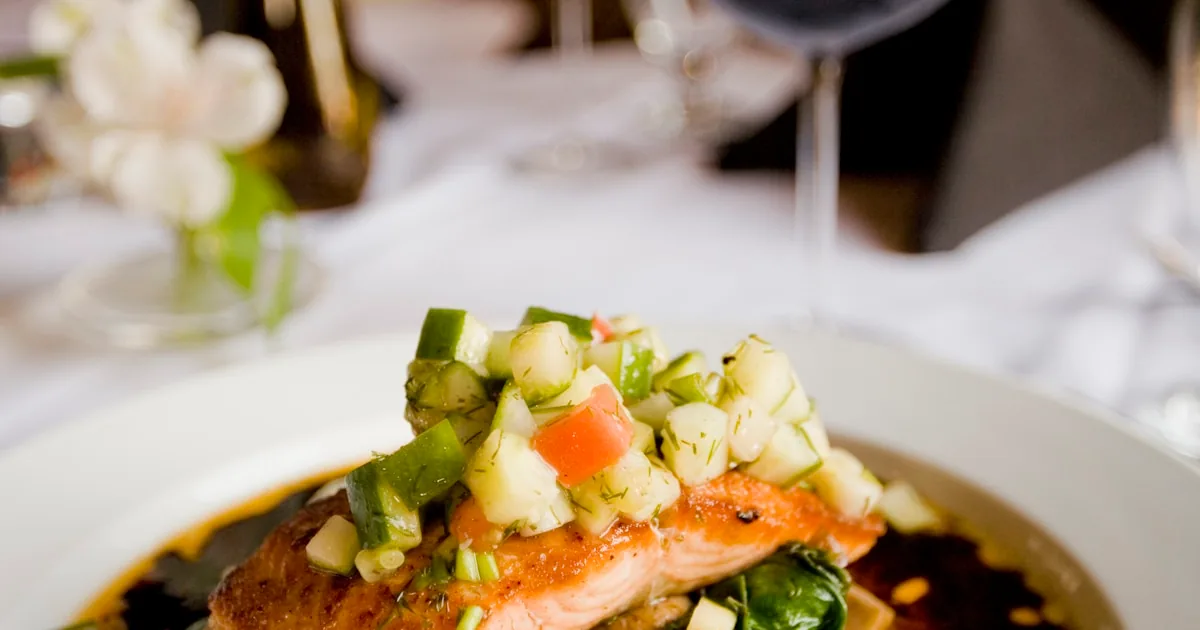
15. Salmon
Salmon is rich in omega-3 fatty acids, particularly EPA and DHA.
These fats are widely associated with cardiovascular and overall health.
Other oily fish that provide omega-3s include:
- Sardines
- Mackerel
- Herring
- Trout
16. Sardines
Sardines are a convenient source of omega-3 fats, protein, vitamin B12, and other nutrients.
They are also often more affordable than fresh fish.
Canned sardines can be added to salads, toast, pasta, or grain bowls.
17. Mackerel
Mackerel is another oily fish rich in omega-3 fatty acids.
It can be baked, grilled, or served alongside vegetables and whole grains.
18. Extra-Virgin Olive Oil
Extra-virgin olive oil is a major part of Mediterranean-style eating.
It provides monounsaturated fats as well as plant compounds called polyphenols.
Use it in:
- Salad dressings
- Roasted vegetables
- Grain bowls
- Sauces
- Light sautéing
It is most useful when it replaces less healthy fats rather than simply being added on top of an already calorie-dense diet.
19. Walnuts
Walnuts contain healthy fats, fiber, plant protein, and alpha-linolenic acid, a plant-based omega-3 fat.
They are easy to add to yogurt, oatmeal, salads, or homemade trail mix.
20. Almonds
Almonds provide vitamin E, magnesium, fiber, plant protein, and monounsaturated fats.
A small handful can make a convenient snack.
Unsalted or lightly salted varieties are usually the better everyday option.
21. Chia Seeds
Chia seeds contain fiber and plant-based omega-3 fats.
They can be added to:
- Overnight oats
- Yogurt
- Smoothies
- Pudding
Because chia seeds absorb liquid, it is a good idea to drink enough water when adding more fiber to your diet.
22. Flaxseeds
Flaxseeds provide fiber, lignans, and alpha-linolenic acid.
Ground flaxseed is generally easier to use than whole seeds.
Try mixing it into oatmeal, yogurt, smoothies, or baked foods.
23. Lentils
Lentils are rich in fiber, plant protein, folate, potassium, and polyphenols.
They are also affordable and easy to include in everyday meals.
Use them in soups, curries, salads, or grain bowls.
24. Beans
Beans provide fiber, plant protein, minerals, and several plant compounds.
Good options include:
- Black beans
- Kidney beans
- Chickpeas
- Pinto beans
- Navy beans
Replacing some processed meat meals with beans or lentils can help improve overall diet quality.
25. Oats
Oats are a whole grain rich in soluble fiber, including beta-glucan.
They make an excellent breakfast base.
Try topping plain oats with berries, walnuts, chia seeds, or cinnamon instead of choosing heavily sweetened instant varieties.
26. Barley
Barley is another fiber-rich whole grain.
It works well in soups, salads, grain bowls, and vegetable dishes.
It also adds a chewy texture that can make meals more satisfying.
27. Turmeric
Turmeric contains curcumin, the compound responsible for its bright yellow color.
It is often discussed in relation to inflammation, although turmeric itself should not be treated as a medical cure.
It can be used in:
- Curries
- Soups
- Lentils
- Rice dishes
- Roasted vegetables
28. Ginger
Ginger contains natural compounds called gingerols.
It adds flavor without relying on extra sugar or salt.
Try ginger in tea, stir-fries, soups, curries, smoothies, or marinades.
29. Green Tea
Green tea contains antioxidant compounds called catechins.
It can be a useful alternative to sugary drinks.
Choose unsweetened green tea whenever possible.
30. Plain Yogurt or Kefir
Plain yogurt and kefir can provide protein, calcium, and live cultures.
Fermented foods may also support gut health as part of a varied diet.
Choose plain varieties with little or no added sugar.
Quick Anti-Inflammatory Foods List
Here is a simple shopping list you can use:
Food Group | Examples |
|---|---|
Berries | Blueberries, strawberries, cherries |
Fruits | Apples, oranges, avocado |
Leafy greens | Spinach, kale |
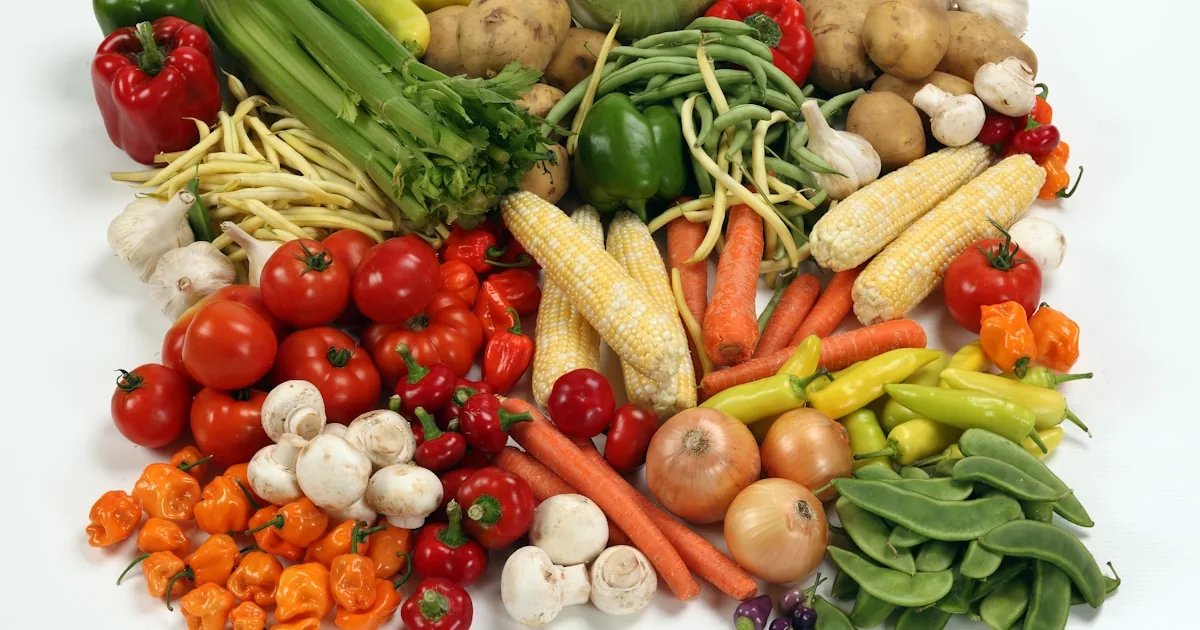
Vegetables | Broccoli, tomatoes, peppers, carrots |
Fatty fish | Salmon, sardines, mackerel |
Nuts | Walnuts, almonds |
Seeds | Chia seeds, flaxseeds |
Legumes | Lentils, beans, chickpeas |
Whole grains | Oats, barley |
Healthy fats | Extra-virgin olive oil |
Herbs and spices | Turmeric, ginger |
Drinks | Green tea |
Fermented foods | Plain yogurt, kefir |
Why Are These Foods Considered Anti-Inflammatory?
The benefits of these foods come from the nutrients and plant compounds they contain.
Omega-3 Fatty Acids
Omega-3 fats are found in oily fish such as salmon, sardines, and mackerel.
Plant foods such as walnuts, chia seeds, and flaxseeds provide alpha-linolenic acid, another form of omega-3 fat.
Polyphenols
Polyphenols are plant compounds found in many fruits, vegetables, nuts, tea, coffee, cocoa, and olive oil.
Eating a wide variety of plant foods helps you get different types of polyphenols.
Fiber
Fiber is found in fruits, vegetables, whole grains, legumes, nuts, and seeds.
It supports digestive health and helps feed beneficial gut bacteria.
Unsaturated Fats
Unsaturated fats are found in olive oil, avocado, nuts, seeds, and fish.
These fats can be useful when they replace foods that are high in saturated or trans fats.
Antioxidants
Colorful fruits and vegetables contain many antioxidant compounds, including carotenoids and anthocyanins.
A practical rule is to eat several different colors of produce throughout the week.
Foods to Limit in an Anti-Inflammatory Diet
An anti-inflammatory eating pattern is not only about what you add.
It also helps to limit foods that are heavily processed and low in nutrients.
Examples include:
- Sugary drinks
- Candy
- Pastries
- Deep-fried foods
- Processed meats
- Refined grains
- Highly processed packaged snacks
- Foods containing trans fats
This does not mean you need to ban these foods completely.
One meal will not determine your health. What matters most is what you eat regularly over time.
Anti-Inflammatory Foods vs. Foods to Limit
Eat More Often | Limit More Often |
|---|---|
Vegetables | Deep-fried foods |
Whole fruits | Sugary desserts |
Whole grains | Refined grains |
Beans and lentils | Processed meats |
Fish | Heavily processed meat products |
Nuts and seeds | Highly processed snacks |
Olive oil | Trans-fat-rich foods |
Plain yogurt | Sugary dairy desserts |
Water and unsweetened tea | Sugar-sweetened beverages |
How to Build an Anti-Inflammatory Meal
You do not need complicated rules.
A balanced meal can usually be built using four simple parts.
1. Start With Vegetables
Fill a large part of your plate with foods such as:
- Spinach
- Broccoli
- Peppers
- Tomatoes
- Carrots
- Brussels sprouts
2. Add a Quality Protein Source
Choose foods such as:
- Salmon
- Sardines
- Beans
- Lentils
- Chicken
- Plain Greek yogurt
3. Add a High-Fiber Carbohydrate
Good options include:
- Oats
- Barley
- Brown rice
- Quinoa
- Sweet potatoes
- Beans
4. Add a Healthy Fat
Try:
- Olive oil
- Walnuts
- Almonds
- Avocado
- Chia seeds
This simple method naturally creates meals that fit well into an anti-inflammatory eating pattern.
Example One-Day Anti-Inflammatory Meal Plan
Breakfast
Oatmeal with:
- Blueberries
- Walnuts
- Ground flaxseed
- Plain yogurt
Lunch
A lentil and vegetable bowl with:
- Spinach
- Tomatoes
- Peppers
- Lentils
- Whole grains
- Olive oil dressing
Snack
An apple with a small handful of almonds.
Dinner
Baked salmon with:
- Roasted broccoli
- Sweet potato
- Leafy green salad
- Olive oil and lemon dressing
Drinks
Choose water, unsweetened tea, or green tea.
Is the Mediterranean diet Anti-Inflammatory?
The Mediterranean diet is often described as an anti-inflammatory eating pattern because it emphasizes foods such as:
- Vegetables
- Fruits
- Whole grains
- Legumes
- Fish
- Nuts
- Seeds
- Olive oil
It also tends to limit heavily processed foods, excess added sugar, and large amounts of processed meat.
You do not need to follow the Mediterranean diet perfectly to eat in an anti-inflammatory way. The important thing is to follow the same general principles.
Can One Food Reduce Inflammation?
No single food can eliminate chronic inflammation on its own.
Eating blueberries, drinking green tea, or adding turmeric to a meal will not compensate for an overall diet that is consistently low in nutrients and high in heavily processed foods.
The bigger picture matters.
A varied eating pattern built around whole foods is much more important than any single “superfood.”
How Long Does an Anti-Inflammatory Diet Take to Work?
There is no fixed timeline.
Dietary changes affect people differently depending on factors such as:
- Overall diet
- Physical activity
- Sleep
- Stress
- Smoking
- Body weight
- Existing health conditions
- Genetics
It is better to focus on sustainable habits than to expect immediate results.
Simple Ways to Eat More Anti-Inflammatory Foods
You do not need to change your entire diet at once.
Start with small swaps:
- Choose oats and berries instead of sugary cereal.
- Add vegetables to lunch and dinner.
- Use olive oil instead of butter-heavy sauces.
- Choose beans or lentils more often.
- Eat oily fish regularly if appropriate for you.
- Snack on fruit and nuts instead of packaged sweets.
- Choose whole grains instead of refined grains more often.
- Drink water or unsweetened tea instead of sugary drinks.
- Use herbs and spices such as ginger and turmeric for flavor.
Small changes are easier to maintain and can add up over time.