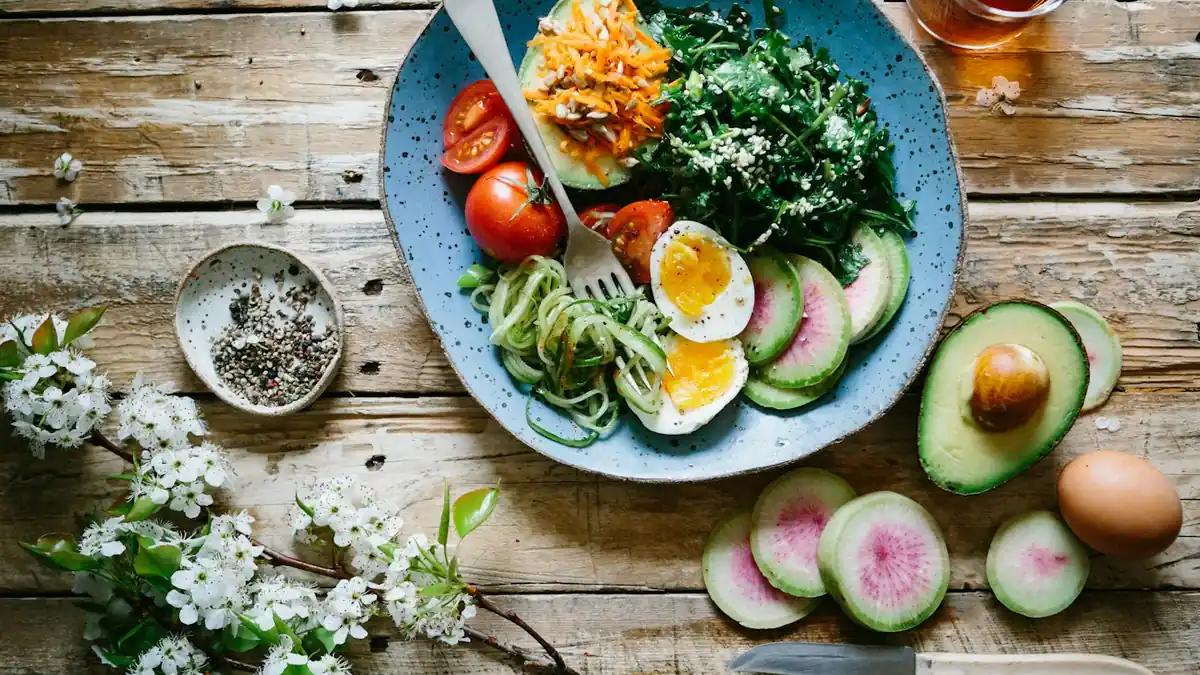
The best foods for weight loss are not special “fat-burning” foods. They are foods that help you build satisfying meals while keeping your overall calorie intake appropriate for your needs.
Foods rich in protein, fiber, water, or a combination of these can be especially useful because they make meals more substantial without requiring you to rely on highly processed, calorie-dense foods.
Good examples include eggs, Greek yogurt, chicken, fish, beans, lentils, potatoes, oats, berries, apples, leafy vegetables, broccoli, and tofu.
The key is simple: weight loss still requires an overall calorie deficit, but choosing filling, nutrient-dense foods can make that deficit easier to maintain.
This guide covers 30 practical foods that can fit into a healthy weight-loss diet and shows you how to turn them into satisfying everyday meals.
What Are the Best Foods for Weight Loss?
Some of the most useful foods for weight loss include:
- Eggs
- Greek yogurt
- Cottage cheese
- Chicken breast
- Fish
- Tuna
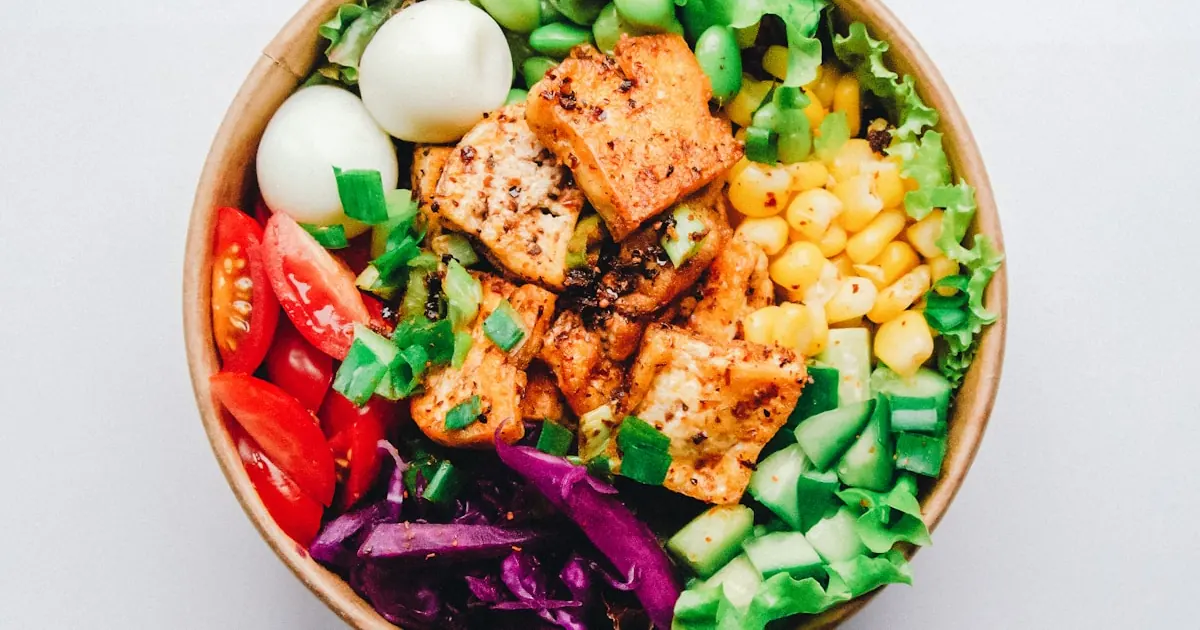
- Tofu
- Edamame
- Lentils
- Beans
- Chickpeas
- Oats
- Potatoes
- Quinoa
- Brown rice
- Berries
- Apples
- Oranges
- Leafy greens
- Broccoli
- Cauliflower
- Carrots
- Mushrooms
- Bell peppers
- Cucumbers
- Popcorn
- Soup
- Avocado
- Almonds
- Chia seeds
No single food causes weight loss by itself. These foods are useful because they can help create meals that are filling, nutritious, and easier to fit into an appropriate calorie intake.
What Makes a Food Good for Weight Loss?
A useful weight-loss food usually has one or more of the following qualities.
High in protein
Protein can help make meals more satisfying and is important for maintaining body tissues, including muscle.
High in fiber
Fiber-rich foods such as vegetables, fruit, beans, lentils, and whole grains can add bulk to meals and help you feel satisfied.
High in water
Many fruits and vegetables contain a large amount of water. This can increase the volume of food without adding the same calorie density found in many highly processed foods.
Nutrient-dense
A good weight-loss diet should still provide vitamins, minerals, protein, essential fats, carbohydrates, and fiber.
Easy to portion and prepare
A theoretically perfect food is not very useful if you dislike it or cannot realistically include it in your regular diet.
The best foods are the ones you can consistently build into meals you enjoy.
30 Best Foods for Weight Loss
1. Eggs
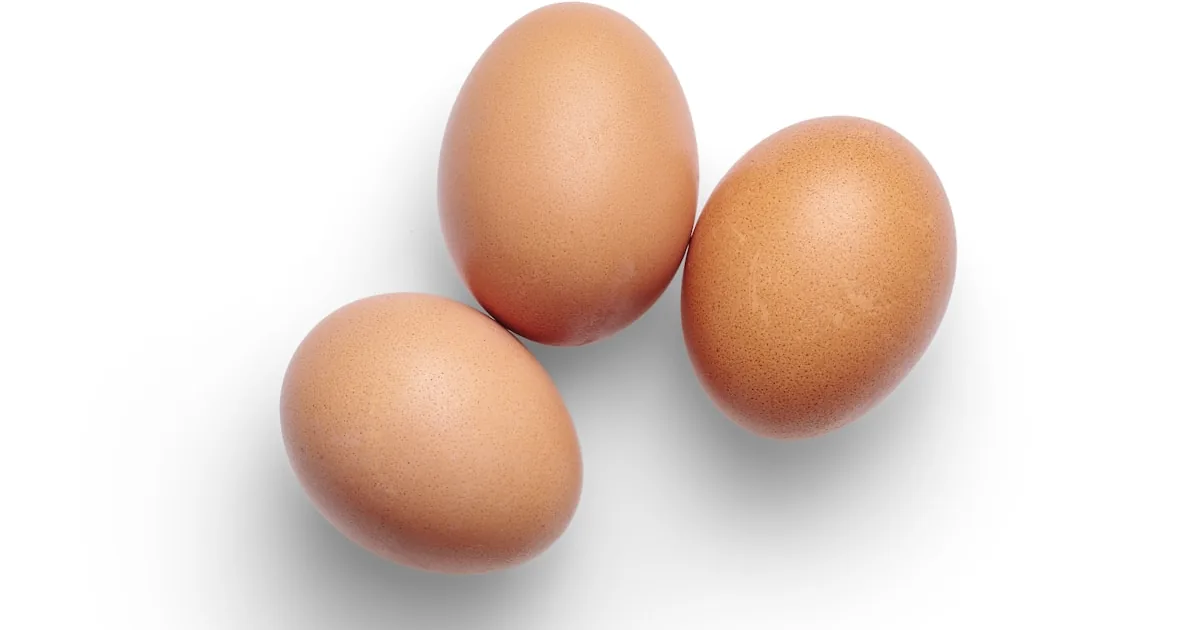
Eggs are an easy way to add protein to breakfast or lunch.
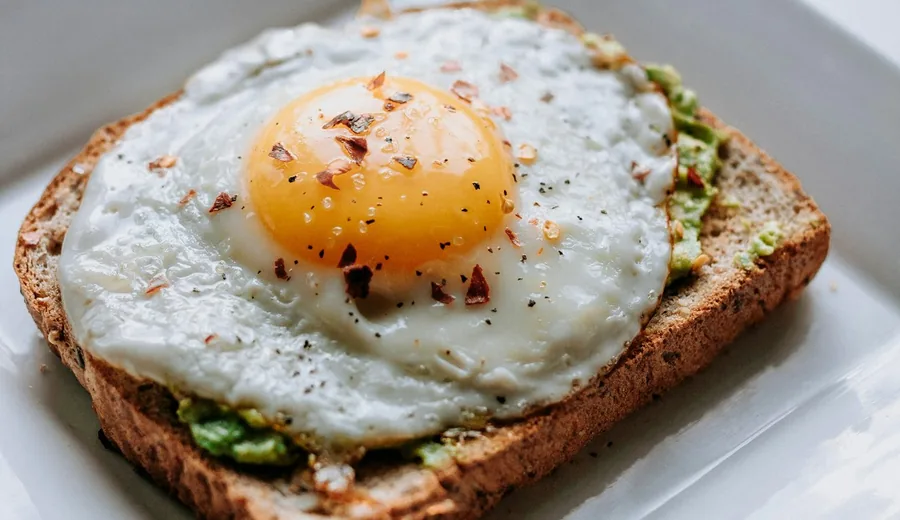
Instead of starting your day with only toast, cereal, or a pastry, pairing eggs with vegetables and a whole-grain carbohydrate can create a more balanced meal.
Try them as:
- Scrambled eggs with vegetables
- Boiled eggs with fruit
- Vegetable omelets
- Egg and whole-grain toast
- Egg wraps
The cooking method matters too. Boiling, poaching, or cooking eggs with a modest amount of oil can keep the meal simpler than preparations containing large amounts of butter, cheese, or processed meat.
2. Plain Greek Yogurt
Greek yogurt is convenient, protein-rich, and easy to combine with other filling foods.
Choose plain varieties when you want greater control over added sugar.
Try adding:
- Berries
- Apple
- Oats
- Cinnamon
- Chia seeds
- A small amount of nuts
Greek yogurt can work as breakfast, a snack, or even the base of a savory sauce.
3. Cottage Cheese
Cottage cheese is another protein-rich option that requires almost no preparation.
Pair it with:
- Berries
- Pineapple
- Tomatoes
- Cucumber
- Whole-grain toast
- Herbs and black pepper
Check sodium levels if this is something you eat frequently.
4. Chicken Breast
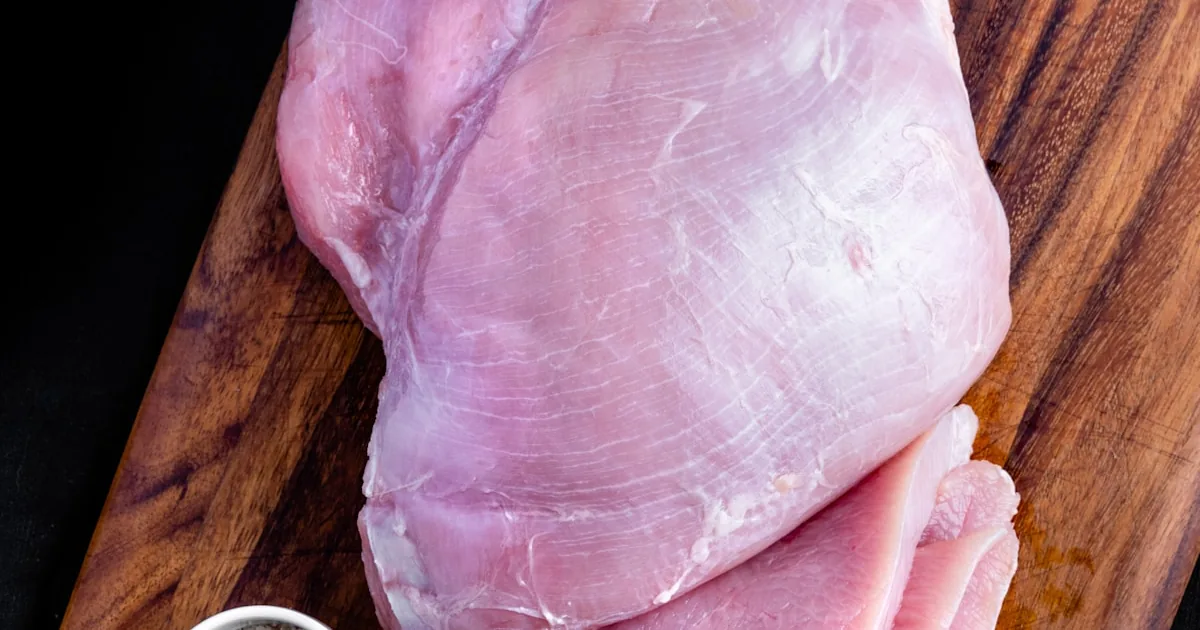
Chicken breast is a versatile source of lean protein that can be used in dozens of meals.
Try it in:
- Salads
- Wraps
- Rice bowls
- Soups
- Stir-fries
- Sandwiches
Rather than eating plain chicken repeatedly, change the vegetables, spices, grains, and sauces around it.
Grilled chicken with vegetables and potatoes, for example, provides a very different meal from chicken with beans, rice, salsa, and salad.
5. Fish
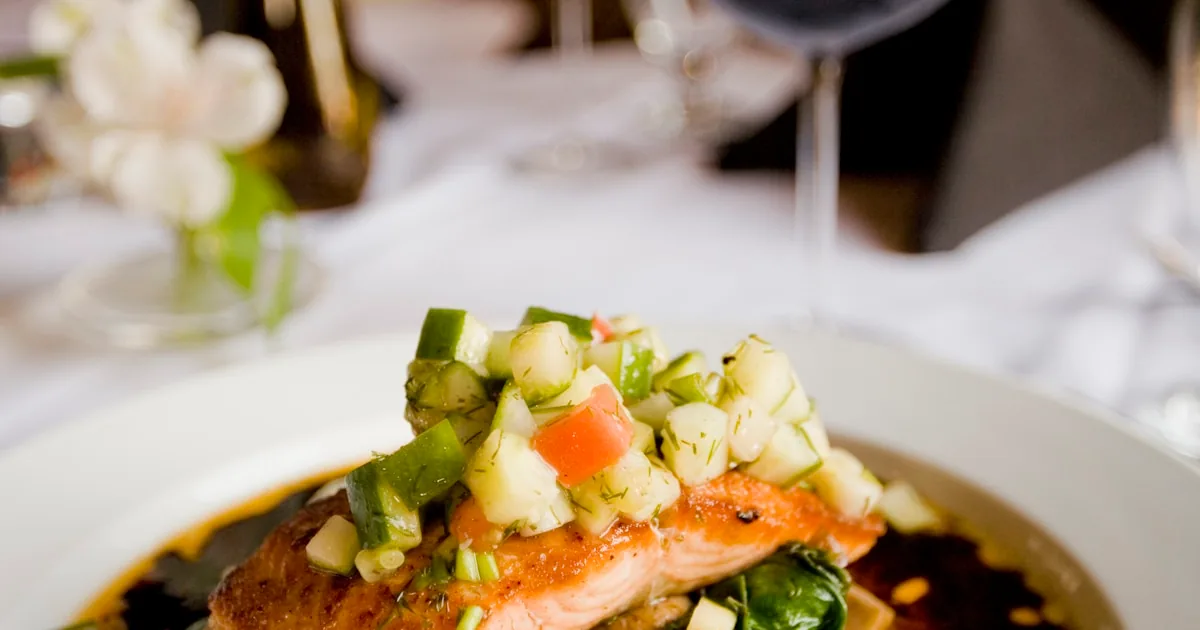
Fish can provide high-quality protein, and some varieties also provide beneficial unsaturated fats.
Good options include:
- Salmon
- Cod
- Sardines
- Trout
- Tilapia
Serve fish with vegetables and an appropriate portion of potatoes, brown rice, quinoa, or another whole-grain food for a complete meal.
6. Tuna
Canned tuna is convenient, relatively easy to store, and useful when you need a quick source of protein.
Use tuna in:
- Whole-grain sandwiches
- Salads
- Wraps
- Rice bowls
- Stuffed vegetables
Rather than automatically mixing it with a large amount of mayonnaise, you can experiment with Greek yogurt, lemon juice, mustard, herbs, or a smaller portion of your preferred dressing.
7. Tofu
Tofu is a useful plant-based protein and can absorb the flavors of spices, marinades, and sauces.
Try tofu:
- Stir-fried with vegetables
- Added to curry
- Baked until crisp
- Mixed into grain bowls
- Scrambled with vegetables
It can be particularly useful for people who want to increase plant-based protein without relying entirely on beans and lentils.
8. Edamame
Edamame, or immature soybeans, provides both protein and fiber.
It works well as:
- A snack
- A salad topping
- A grain-bowl ingredient
- A stir-fry addition
Frozen edamame can also be convenient because you can prepare only the amount you need.
9. Lentils
Lentils are one of the most useful foods for creating inexpensive, filling meals.
They provide plant protein and fiber and work in:
- Lentil soup
- Curry
- Salads
- Stews
- Grain bowls
Pair lentils with vegetables and whole grains for a satisfying plant-based meal.
10. Beans
Black beans, kidney beans, white beans, pinto beans, and other varieties can all fit into a weight-loss eating pattern.
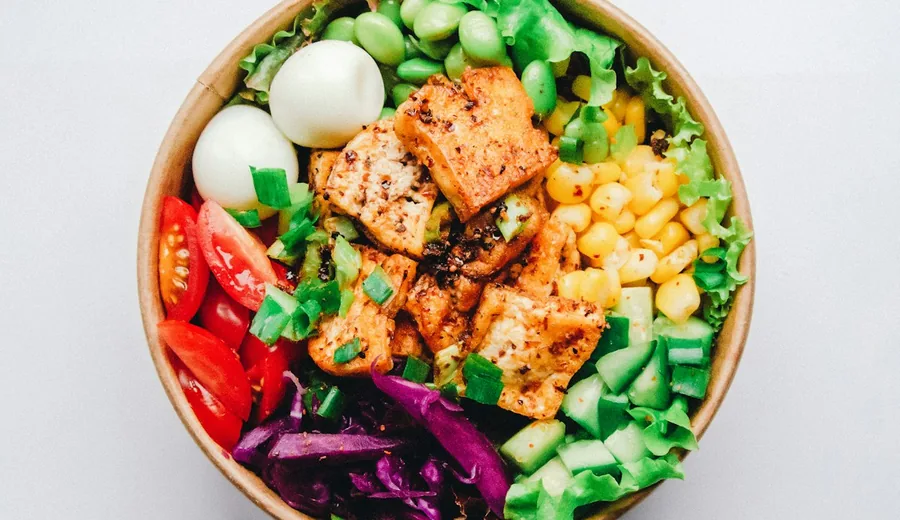
Beans contain both protein and fiber, making them particularly useful for increasing the substance of a meal.
Add them to:
- Salads
- Soups
- Chili
- Tacos
- Rice bowls
- Burritos
Canned beans are convenient. Draining and rinsing them can reduce some of the sodium in varieties packed with salt.
11. Chickpeas
Chickpeas are another versatile legume.
Use them in:
- Salads
- Soups
- Curries
- Grain bowls
- Hummus
- Roasted snacks
A salad made only from leafy greens may not feel like much of a meal. Adding chickpeas immediately gives it more protein, fiber, and substance.
12. Oats
Oats are a fiber-rich whole grain and can form the base of a filling breakfast.
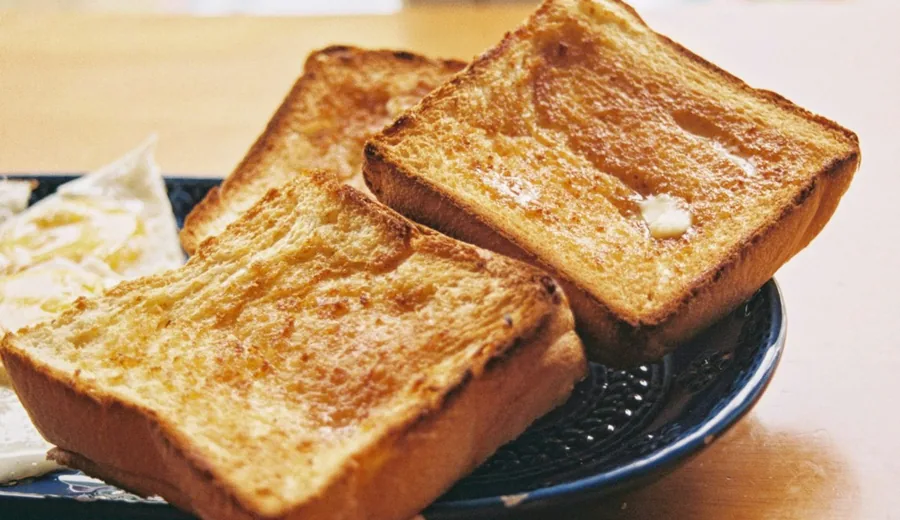
Instead of heavily sweetening oatmeal, build it with foods such as:
- Greek yogurt
- Berries
- Apple
- Cinnamon
- Chia seeds
- Milk
- A measured portion of nuts
Adding a source of protein can make oatmeal more balanced.
13. Potatoes
Potatoes are often unnecessarily treated as a food that must be avoided during weight loss.
A plain boiled or baked potato is very different from French fries or potatoes prepared with large amounts of butter, cheese, or creamy sauces.
Try:
- Boiled potatoes
- Baked potatoes
- Air-fried potatoes with minimal added oil
- Potatoes with vegetables and lean protein
Preparation method and portion size matter more than labeling potatoes as inherently “good” or “bad.”
14. Quinoa
Quinoa is a useful grain-like food that can add carbohydrates, fiber, and some protein to a meal.
Use it as the base of a bowl containing:
Quinoa + vegetables + chicken/tofu/beans + a flavorful dressing
This creates a meal with multiple food groups rather than relying on quinoa alone.
15. Brown Rice
Brown rice can provide a fiber-containing whole-grain carbohydrate.
Rice itself does not prevent weight loss. The total meal and portion matter.
Pair it with:
- Chicken and vegetables
- Fish and salad
- Beans and salsa
- Tofu stir-fry
- Lentil curry
A useful approach is to let rice be one part of the meal rather than allowing it to dominate the entire plate.
16. Berries
Strawberries, blueberries, raspberries, and blackberries provide sweetness along with water and fiber.
They work well with:
- Greek yogurt
- Oatmeal
- Cottage cheese
- Smoothies
- Chia pudding
Whole fruit is generally more filling than drinking fruit juice because the intact fruit retains its fiber.
17. Apples
Apples are portable, relatively inexpensive in many locations, and require no preparation beyond washing or slicing.
Instead of drinking apple juice, eating the whole fruit gives you its natural structure and fiber.
Try pairing an apple with:
- Greek yogurt
- Cottage cheese
- A measured portion of peanut butter
- A small handful of nuts
This can make it a more substantial snack.
18. Oranges
Oranges provide sweetness, water, and fiber when eaten as whole fruit.
Eating an orange is generally a better choice for fullness than drinking the equivalent calories as juice.
Other whole citrus fruits can serve a similar role.
19. Leafy Greens
Leafy vegetables can add a large amount of volume to meals.
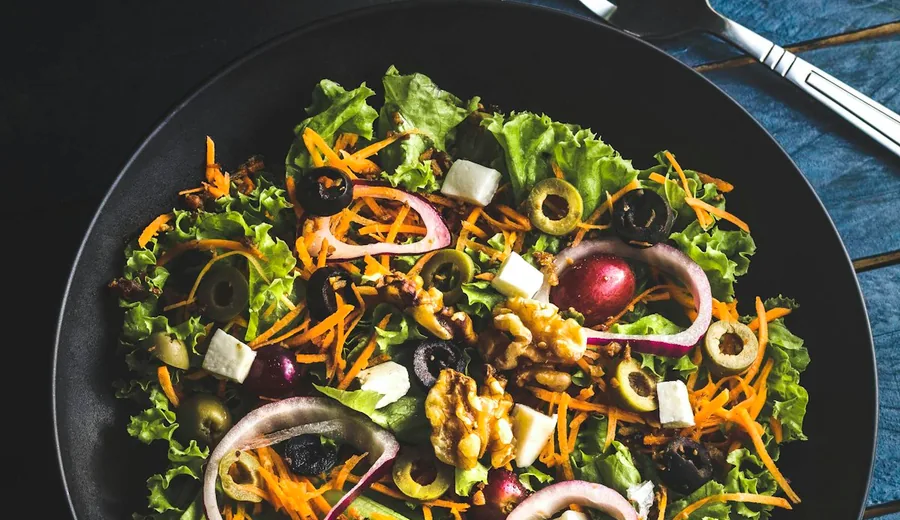
Examples include:
- Spinach
- Lettuce
- Kale
- Arugula
- Collard greens
However, a bowl of leaves is not automatically a complete weight-loss meal.
Make salads more satisfying by adding:
Vegetables + protein + a fiber-rich carbohydrate + a sensible amount of dressing
For example:
Spinach + chicken + chickpeas + tomatoes + cucumber + vinaigrette
20. Broccoli
Broccoli contains water and fiber and adds substantial volume to meals.
Try it:
- Steamed
- Roasted
- Stir-fried
- Added to soup
- Mixed into pasta
- Served alongside chicken or fish
If you dislike plain steamed broccoli, use herbs, garlic, pepper, lemon, or a modest amount of sauce rather than forcing yourself to eat food you do not enjoy.
21. Cauliflower
Cauliflower is another versatile vegetable that can make meals larger without dominating the calorie content.
Use it:
- Roasted
- Steamed
- In curries
- In stir-fries
- In soups
- Mixed with other vegetables
You do not need to replace every carbohydrate with cauliflower. Rice, potatoes, and grains can also fit into a healthy diet.
22. Carrots
Carrots are naturally sweet, crunchy, and easy to prepare.
They work as:
- A snack with hummus
- A roasted vegetable
- A soup ingredient
- A salad ingredient
- A stir-fry addition
Their crunch can also make a snack feel more substantial than quickly consumed foods.
23. Mushrooms
Mushrooms can add flavor and volume to meals.
Try adding them to:
- Omelets
- Stir-fries
- Pasta
- Soups
- Chicken dishes
- Grain bowls
Their savory flavor can also make vegetable-heavy dishes more satisfying.
24. Bell Peppers
Bell peppers are colorful, crunchy, and useful both raw and cooked.
Try them:
- With hummus
- In omelets
- In fajitas
- In salads
- In stir-fries
- In sandwiches
Using several types of vegetables helps keep weight-loss meals interesting instead of repetitive.
25. Cucumbers
Cucumbers contain a high proportion of water and can add crunch and volume to meals.
Use them in:
- Salads
- Yogurt-based dips
- Sandwiches
- Wraps
- Snack plates
Cucumber by itself is not particularly filling, so pair it with a protein-rich food such as yogurt, hummus, eggs, chicken, or cottage cheese.
26. Air-Popped Popcorn
Popcorn is a whole grain and can be a useful snack when preparation is kept relatively simple.
The difference between air-popped popcorn and movie-theater-style popcorn can be substantial once large amounts of butter, oil, sugar, or flavored coatings are added.
For a simple snack, season popcorn with herbs and spices instead of automatically covering it with calorie-dense toppings.
27. Vegetable-Based Soup
Soup can be a practical way to combine vegetables, protein, legumes, and water in one meal.
Examples include:
- Lentil and vegetable soup
- Chicken vegetable soup
- Bean soup
- Minestrone
- Tomato and lentil soup
Cream-heavy soups can have a very different calorie density, so ingredients still matter.
A broth-based soup with vegetables and protein can make a satisfying lunch or dinner.
28. Avocado
Avocado provides fiber and unsaturated fat.
It can absolutely fit into a weight-loss diet, but it is more calorie-dense than most fruits and vegetables.
Use it intentionally rather than assuming unlimited portions are appropriate simply because it is nutritious.
Add a moderate amount to:
- Toast with eggs
- Salads
- Grain bowls
- Sandwiches
- Tacos
Foods can be healthy and calorie-dense at the same time.
29. Almonds
Almonds contain protein, fiber, and unsaturated fats and can be a useful snack.
However, nuts are calorie-dense, so portions matter when your goal is maintaining a calorie deficit.
Instead of eating directly from a large bag, portion out a small serving.
Use almonds with:
- Fruit
- Yogurt
- Oatmeal
- Salads
The goal is not to avoid calorie-dense nutritious foods. It is to use them appropriately.
30. Chia Seeds
Chia seeds provide fiber and unsaturated fats and can be easily added to other foods.
Try them in:
- Oatmeal
- Greek yogurt
- Smoothies
- Overnight oats
- Chia pudding
Because seeds are also energy-dense, you generally do not need a large amount to gain their nutritional benefits.
Best High-Protein Foods for Weight Loss
If increasing protein is one of your priorities, useful options include:
- Eggs
- Greek yogurt
- Cottage cheese
- Chicken
- Fish
- Tuna
- Tofu
- Edamame
- Lentils
- Beans
Protein is not a shortcut that overrides calories. Its advantage is that protein-rich foods can help you create meals that are more satisfying while supporting the maintenance of body tissues.
Best High-Fiber Foods for Weight Loss
Good fiber-rich options include:
- Lentils
- Beans
- Chickpeas
- Oats
- Berries
- Apples
- Vegetables
- Whole grains
- Chia seeds
You do not need to suddenly add huge amounts of fiber to your diet. Increase fiber gradually and drink adequate fluids, particularly if your current intake is low.
Best Low-Calorie Foods That Help Fill Your Plate
Foods with high water content and relatively low calorie density can help increase meal volume.
Examples include:
- Leafy greens
- Cucumbers
- Broccoli
- Cauliflower
- Mushrooms
- Bell peppers
- Carrots
- Berries
- Oranges
These foods work best as part of a complete meal rather than as a replacement for adequate protein, carbohydrates, and dietary fats.
How to Build a Filling Weight-Loss Meal
You do not need a complicated diet plan.
Start with this simple formula:
Step 1: Choose a protein
Examples:
- Chicken
- Fish
- Eggs
- Tofu
- Greek yogurt
- Beans
- Lentils
Step 2: Add plenty of vegetables
Examples:
- Broccoli
- Spinach
- Peppers
- Mushrooms
- Carrots
- Cucumber
Step 3: Add a quality carbohydrate
Examples:
- Potatoes
- Oats
- Brown rice
- Quinoa
- Whole grains
- Beans
Step 4: Add some healthy fat
Examples:
- Avocado
- Nuts
- Seeds
- Olive oil
Step 5: Make it taste good
Use:
- Herbs
- Spices
- Garlic
- Lemon
- Vinegar
- Salsa
- Mustard
- Yogurt-based sauces
A diet you enjoy is much easier to follow than one built around bland “diet foods.”
Sample Day Using Filling Foods for Weight Loss
Here is a simple example. Your actual portions and calorie needs will vary.
Breakfast
Greek yogurt oatmeal bowl
- Greek yogurt
- Oats
- Berries
- Chia seeds
- Cinnamon
Lunch
Chicken and quinoa bowl
- Grilled chicken
- Quinoa
- Leafy greens
- Cucumber
- Bell pepper
- Yogurt-based dressing
Snack
Apple with almonds
Use a sensible portion of almonds rather than eating directly from the package.
Dinner
Salmon, potato, and vegetables
- Baked salmon
- Boiled or roasted potato
- Broccoli
- Carrots
- Lemon and herbs
This type of day combines protein, fiber-rich carbohydrates, vegetables, fruit, and healthy fats without requiring specialty diet products.
Foods to Limit When Trying to Maintain a Calorie Deficit
You do not need to completely ban individual foods to lose weight.
However, some foods can make a calorie deficit harder to maintain because they provide a lot of calories without being particularly filling.
Examples can include:
- Sugar-sweetened drinks
- Large desserts
- Candy
- Deep-fried foods
- Chips
- Pastries
- Large portions of creamy sauces
- Highly processed snack foods
- Large amounts of added oils
- Alcoholic drinks
The goal is not to label these foods as forbidden.
Frequency and portion size matter.
A sustainable eating pattern leaves room for enjoyment without allowing high-calorie extras to crowd out more nutritious foods.
Healthy Does Not Always Mean Low-Calorie
This distinction is important.
Several nutritious foods are relatively calorie-dense, including:
- Nuts
- Nut butter
- Seeds
- Avocado
- Olive oil
- Cheese
You do not need to remove these foods from a weight-loss diet.
Instead, pay attention to portions.
For example, adding some nuts to yogurt can make a balanced snack. Eating several large handfuls without noticing the amount can make it much easier to exceed your intended calorie intake.
Nutrition quality and calorie intake both matter.
Do You Have to Count Calories to Lose Weight?
Not necessarily.
Some people find calorie tracking helpful, while others prefer using portions, meal structure, and consistent food choices.
Regardless of the method, weight loss requires your average energy intake to be lower than the energy your body uses over time.
You may be able to create that deficit by:
- Eating more vegetables and whole fruit
- Choosing filling protein sources
- Replacing sugary drinks with lower-calorie drinks
- Adjusting portions
- Cooking more meals at home
- Limiting frequent high-calorie extras
- Becoming more physically active
The best method is one you can maintain.
Can You Eat Carbs and Still Lose Weight?
Yes.
Carbohydrates do not automatically prevent weight loss.
Foods such as:
- Oats
- Potatoes
- Brown rice
- Quinoa
- Beans
- Fruit
- Whole grains
can all fit into a calorie deficit.
Instead of eliminating an entire macronutrient, pay attention to food quality, portions, total calorie intake, and what you eat alongside the carbohydrate.
Can You Eat Fat and Still Lose Weight?
Yes.
Dietary fat is an essential part of a balanced diet.
Foods such as avocado, nuts, seeds, fish, and olive oil can fit into a healthy eating pattern.
Because fat provides more calories per gram than protein or carbohydrate, portion awareness can be particularly useful when your goal is a calorie deficit.
Do You Need Special Weight-Loss Foods?
No.
You do not need:
- Detox foods
- Fat-burning foods
- Special diet cookies
- Weight-loss teas
- Extremely restrictive meal plans
- Expensive “diet” products
Ordinary foods can build an effective weight-loss eating pattern.
Chicken, beans, oats, yogurt, potatoes, vegetables, fruit, fish, eggs, lentils, and other basic foods can provide everything you need to construct satisfying meals.
Common Mistakes When Choosing Foods for Weight Loss
Eating only salads
A salad made almost entirely from lettuce may contain few calories, but it may also leave you hungry.
Add protein, fiber-rich carbohydrates, vegetables, and an appropriate amount of fat.
Avoiding all carbohydrates
Removing carbohydrates is not required for fat loss.
Choose portions and carbohydrate sources that work within your overall diet.
Drinking your calories without noticing
Sugary drinks, specialty coffees, juice, and alcohol can contribute calories quickly.
Water, unsweetened tea, and other low-calorie beverages can make calorie management easier.
Assuming healthy foods have unlimited portions
Nutritious foods still contain calories.
Nuts, seeds, oils, avocado, granola, and nut butter are good examples.
Trying to survive on tiny meals
Extremely small meals may leave you excessively hungry and make your diet difficult to maintain.
Build satisfying meals instead.
Looking for one food that burns fat
No individual food can compensate for consistently consuming more calories than your body needs.
Focus on your overall eating pattern.
Frequently Asked Questions
The Bottom Line
The best foods for weight loss are foods that help you create a nutritious, filling, and sustainable calorie deficit.
You do not need to live on salad, eliminate carbohydrates, avoid all dietary fat, or buy special weight-loss products.
Start with ordinary foods:
Eggs, Greek yogurt, chicken, fish, tofu, beans, lentils, oats, potatoes, fruit, vegetables, and whole grains.
Build meals around protein and fiber, use vegetables and fruit to add volume, include appropriate portions of carbohydrates and healthy fats, and pay attention to your overall calorie intake.
Most importantly, choose an eating pattern you can realistically continue.
A simple diet you can maintain is more useful than an extreme diet you can follow for only a few days.