You make a turkey sandwich for lunch. Two slices of whole-wheat bread, a few slices of turkey, cheese, lettuce, and mustard. Nothing particularly salty.
But by the time you add up the sodium from each ingredient, that ordinary sandwich could contain more than 1,000 milligrams of sodium.
You didn't add any salt yourself. So where did it all come from?
That's the tricky thing about sodium: some of the biggest sources are foods that don't taste especially salty.
According to the U.S. Food and Drug Administration (FDA), more than 70% of the sodium Americans consume comes from packaged and prepared foods. It's already in the bread, sauces, deli meats, soups, and restaurant meals people eat.
The good news is that eating less sodium doesn't mean giving up your favorite foods. Often, you can make a noticeable difference by changing one or two ingredients.
This guide will help you identify high-sodium foods, understand the numbers on food labels, and find simple swaps that work in everyday meals. To learn more about how dietary sodium balances against potassium and other micronutrients, explore our Minerals in Food Sources Guide.
Which Foods Are Highest in Sodium?
If you're looking for a quick list of foods to check, start here:
Food | Why Sodium Adds Up | What to Try Instead |
Deli turkey, ham, and salami | Salt used in processing and preservation | Freshly cooked, unseasoned chicken or turkey |
Canned soup | Sodium in broth and seasonings | Low-sodium soup or homemade soup |
Pizza | Cheese, crust, sauce, and processed meats | Fewer processed-meat toppings and a smaller portion |
Instant noodles | Concentrated seasoning packets | Use less seasoning and add vegetables |
Soy sauce | Highly concentrated sodium | Reduced-sodium soy sauce in smaller amounts |
Sandwiches | Bread, processed meat, cheese, and condiments | Swap individual high-sodium ingredients |
Frozen ready meals | Sauces, seasoning, and processed components | Compare labels or prepare simple meals at home |
Salted chips and pretzels | Salt added for flavor | Unsalted nuts or popcorn |
Processed cheese | Salt used in manufacturing | Lower-sodium cheese varieties |
Flavored rice mixes | Salt and seasoning blends | Plain rice with garlic, herbs, and spices |
Bottled salad dressing | Added salt and other sodium-containing ingredients | Homemade oil-and-vinegar dressing |
Bouillon cubes and seasoning mixes | Concentrated sodium | Unsalted broth and salt-free spices |
These foods are worth checking, but they're not all equally high in sodium.
One brand of canned soup may contain much less sodium than another. A small serving of cheese may fit your needs, while a large amount of processed meat can contribute much more sodium.
The best approach is to look at the amount you actually eat, not just the name of the food.
Why Are Some Foods High in Sodium Even When They Don't Taste Salty?
Think about a slice of bread.
You probably wouldn't describe it as salty. Yet salt helps with flavor, dough development, and other aspects of bread production.
Now imagine eating bread at breakfast, a sandwich at lunch, and a burger bun at dinner.
Even modest amounts of sodium can add up when you eat a food several times throughout the day.
Sodium may also come from ingredients other than table salt. Some processed foods contain sodium-containing additives used for baking, preserving, or other purposes.
This is why judging sodium by taste alone doesn't work.
The CDC's 2026 analysis of U.S. dietary data identified deli meat sandwiches, pizza, savory snacks, soups, poultry, pasta dishes, bread, and cheese as leading contributors to sodium intake.
That doesn't mean all these foods are unhealthy. It means they contribute significantly because of their sodium content, how frequently people eat them, or both.
What you can do today: Choose three packaged foods you eat regularly and compare their sodium values with other brands. You may find an easy swap without changing your usual meals.
How Much Sodium Is Too Much in a Day?
Your body needs sodium to maintain fluid balance and support normal nerve and muscle function.
The problem is consuming too much over time.
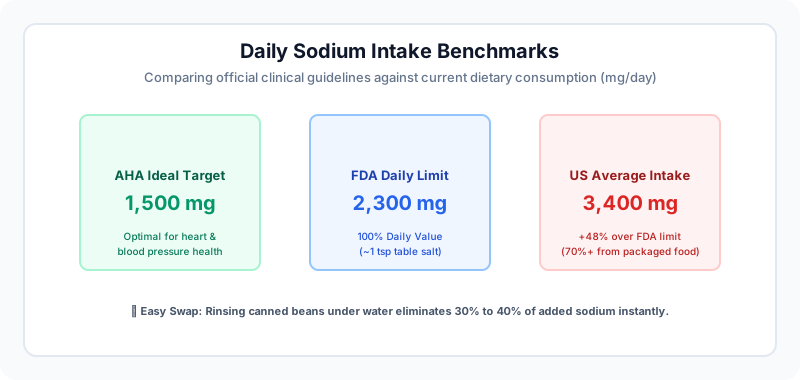
For most adults, the FDA's recommended Daily Value is less than 2,300 milligrams of sodium per day.
That's approximately the amount of sodium in one teaspoon of table salt.
But remember, the 2,300 mg figure refers to sodium from all sources combined, not just salt you add while cooking.
Is 500 mg of Sodium a Lot?
It depends on how much food you're eating and what the rest of your day looks like.
Here's a simple way to understand common sodium amounts:
Sodium Amount | Percentage of 2,300 mg Daily Value |
115 mg | 5% |
230 mg | 10% |
460 mg | 20% |
500 mg | Approximately 22% |
690 mg | 30% |
920 mg | 40% |
1,150 mg | 50% |
If one small snack contains 500 mg sodium, that's a considerable amount for something you might eat between meals.
If a complete lunch contains 500 mg, that may fit more easily into your day's overall intake.
The context matters.
What About the 1,500 mg Sodium Recommendation?
The American Heart Association identifies 1,500 mg per day as an ideal target for most adults, while recommending no more than 2,300 mg.
Not everyone needs the same individual target. Certain medical conditions, medications, or substantial sodium losses through sweating may require different advice.
If your healthcare professional has recommended a specific sodium limit, follow that guidance.
1. Deli Meat: The Hidden Sodium in Everyday Sandwiches
A sandwich often looks like a simple homemade meal.
But deli meat can contain significant sodium because salt is used during processing.
Ham, salami, and processed turkey are common examples.
Even products labeled "lean" or "low fat" may still contain substantial sodium.
A Better Sandwich Without Giving Up Sandwiches
Suppose you usually make lunch using:
- Two slices of bread
- Deli turkey
- A slice of cheese
- Mustard
- Lettuce and tomato
Start by checking the deli turkey's sodium content.
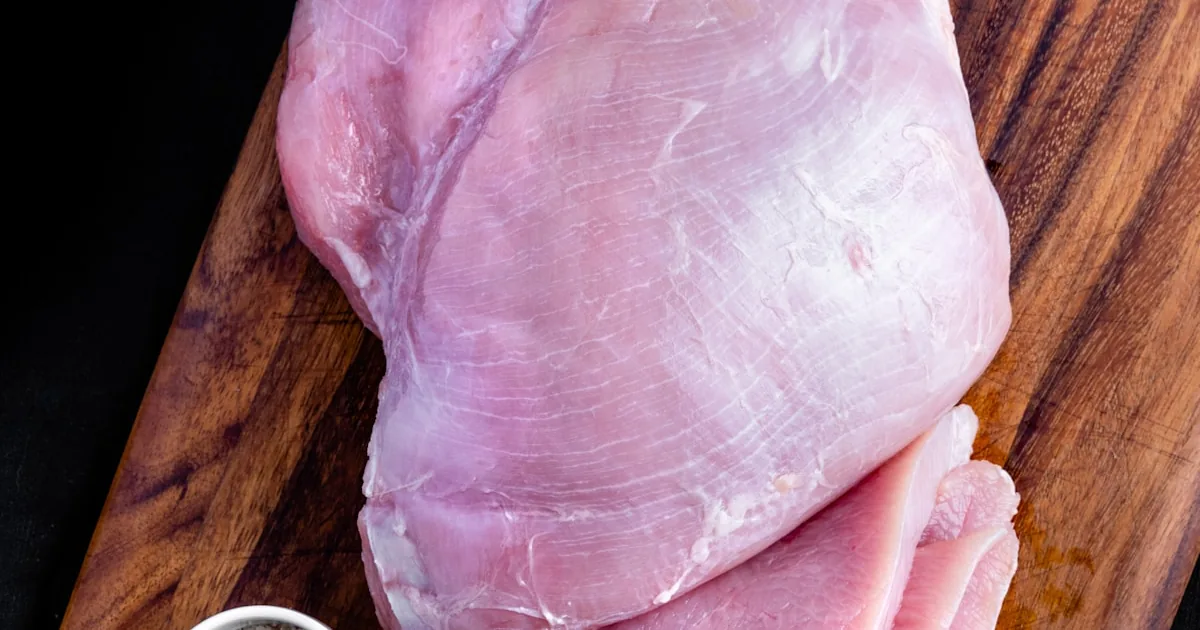
If it's high, try preparing chicken or turkey breast at home without added salt and slicing it for sandwiches.
You can also compare bread and cheese brands.
You don't need to change every ingredient.
Best first swap: Replace one frequently used processed meat with freshly cooked, unsalted poultry.
2. Bread: Why a Food That Doesn't Taste Salty Still Matters
Bread is a surprising sodium source because most people don't think of it as salty food.
The sodium in one slice may not seem particularly high.
But bread is often eaten several times a day.
The FDA notes that sodium levels vary substantially between bread products.
What Should You Look for When Buying Bread?
Compare two similar products by the same weight or serving size.
For example:
Bread | Sodium Per Slice |
Bread A | 210 mg |
Bread B | 110 mg |
If you eat two slices, Bread A provides 420 mg sodium while Bread B provides 220 mg.
That's a difference of 200 mg from the bread alone.
Also check fiber and whole-grain content so you're not choosing solely on sodium.
Best swap: Choose a lower-sodium bread that still meets your preferences for fiber, taste, and texture.
3. Canned Soup: How a Small Bowl Can Add Up
Soup is convenient, comforting, and easy to prepare.
But packaged soup may contain sodium from broth, salt, seasoning blends, and other ingredients.
The biggest mistake isn't always buying soup. It's forgetting to check the serving size.
Imagine a can has:
- 700 mg sodium per serving
- Two servings per container
If you eat the whole can, you're consuming 1,400 mg sodium.
That's approximately 61% of the 2,300 mg Daily Value.
How to Make Soup Lower in Sodium
Try these changes:
- Choose a low-sodium or no-salt-added soup.
- Compare sodium per container, not just per serving.
- Use unsalted broth when making soup at home.
- Add onions, garlic, carrots, herbs, or lemon for flavor.
A useful homemade option is vegetable and lentil soup made with unsalted broth, garlic, black pepper, cumin, and fresh herbs.
It can be flavorful without relying heavily on added salt.
Best swap: Replace regular canned broth with unsalted broth in recipes you prepare frequently.
4. Pizza: Where Does All the Sodium Come From?
Pizza isn't high in sodium for just one reason.
Several ingredients contribute:
- Cheese
- Pizza dough
- Tomato sauce
- Pepperoni or sausage
- Seasonings
- Extra toppings
A slice topped with processed meat may contain more sodium than a similar slice with vegetables, although actual values depend on the recipe.
How Can You Make Pizza Lower in Sodium?
If you're ordering pizza, try choosing fewer processed-meat toppings.
If you're making it at home, compare sauces and cheeses and control how much salt you add.
You can still enjoy pizza.
The goal is to understand where sodium comes from so you have choices.
Best swap: Replace pepperoni or other salty processed toppings with vegetables or freshly cooked, lightly seasoned chicken.
5. Soy Sauce, Ketchup, and Dressings: Small Amounts Can Matter
Sauces are easy to overlook because they're usually not the main part of a meal.
But sodium can add up when you use several condiments together.
Consider a rice bowl prepared with soy sauce, a bottled stir-fry sauce, and a seasoned protein.
Even if the rice and vegetables contain relatively little sodium, the sauces can contribute a substantial amount.
What Can You Use Instead of Soy Sauce?
Reduced-sodium soy sauce can help, but it's not sodium-free.
You can use a smaller amount and add:
- Fresh ginger
- Garlic
- Lime juice
- Rice vinegar
- Chili flakes
These ingredients provide additional flavor, allowing you to rely less on salty sauce.
Don't assume coconut aminos or other soy-sauce alternatives are sodium-free; compare their labels too.
Best swap: Use less soy sauce, choose a reduced-sodium version when useful, and strengthen the flavor with citrus, vinegar, and aromatics.
6. Frozen Meals: Healthy-Looking Packaging Doesn't Tell the Whole Story
A frozen meal may advertise vegetables, whole grains, or protein.
Those can be useful qualities, but they don't automatically mean the product is low in sodium.
Prepared meals can contain added sodium in sauces, seasonings, and processed ingredients.
How to Choose a Better Frozen Meal
Pick up two similar meals and compare:
- Sodium per complete meal
- Serving size
- Protein
- Fiber
- Saturated fat
For example, if two comparable frozen meals contain 950 mg and 570 mg sodium, choosing the second saves 380 mg sodium.
But also consider the meals' overall nutrition and whether one serving will satisfy you.
Best swap: Select the lower-sodium option among comparable meals, rather than relying on phrases like "fresh" or "wholesome."
7. Instant Noodles: The Seasoning Packet Makes a Difference
Instant noodles are inexpensive, quick, and convenient.
For many products, the seasoning packet contributes a considerable amount of sodium.
Using less seasoning may reduce sodium, although the noodles themselves can also contain sodium.
How to Make Instant Noodles More Balanced
Try this simple approach:
- Cook the noodles according to the package instructions.
- Add vegetables such as spinach, carrots, or mushrooms.
- Add an egg or another protein source if you like.
- Use less of the seasoning packet.
- Add garlic, chili, lime, or ginger for flavor.
Check the product label to understand whether its listed sodium includes all the seasoning.
Best swap: Use part of the seasoning packet and build flavor with fresh ingredients.
8. Canned Beans and Vegetables: Should You Stop Eating Them?
No.
Beans and vegetables can be valuable parts of a healthy diet.
The problem is not the vegetables themselves. It's the added sodium in some canned versions.
Does Rinsing Canned Beans Reduce Sodium?
Yes, draining and rinsing can remove some sodium from certain canned products.
The amount removed depends on the product and how you rinse it.
For greater control, choose products labeled "no salt added" when available.
Canned beans can still be a practical, affordable source of fiber and plant-based protein.
Best swap: Choose no-salt-added canned beans, or drain and rinse regular canned beans when appropriate.
9. Cheese: Which Types Should You Compare?
Cheese provides protein and calcium, but sodium levels vary.
Some processed cheeses, cottage cheeses, and other varieties can contain significant sodium.
Don't assume a cheese is lower in sodium simply because it tastes milder.
How to Choose Cheese With Less Sodium
Compare sodium for equal portions.
If you use cheese primarily for flavor, a smaller amount may provide the taste you enjoy.
You can also explore suitable lower-sodium varieties.
Best swap: Compare the specific cheeses you buy rather than assuming one entire category is always better.
10. Restaurant Meals: How to Reduce Sodium When You Can't See the Recipe
Restaurant meals can be challenging because you don't know exactly how much salt is added during preparation.
A grilled chicken plate may contain sodium from marinades, seasoning blends, sauces, or broth.
A restaurant salad may contain sodium from cheese, dressing, croutons, and prepared protein.
Five Questions Worth Asking
When eating out, consider:
- Is nutrition information available?
- Can the sauce or dressing come on the side?
- Can the kitchen prepare the meal with less added salt?
- Are there options without processed-meat toppings?
- Is the portion large enough to save some for later?
You don't need to ask every question at every meal.
Even one change can help.
Best swap: Request sauces on the side and choose lower-sodium menu options when nutrition information is available.
How Much Sodium Is Really in Your Lunch? A Practical Example
Here's how several ordinary ingredients can add up.
Imagine you prepare this sandwich:
Ingredient | Example Sodium |
Two slices of bread | 360 mg |
Deli turkey | 600 mg |
Cheese | 250 mg |
Mustard | 120 mg |
Vegetables | 20 mg |
Total | 1,350 mg |
That's approximately 59% of the FDA Daily Value.
Now imagine replacing some ingredients:
Ingredient | Example Sodium |
Two slices of lower-sodium bread | 200 mg |
Freshly roasted unsalted turkey | 75 mg |
Lower-sodium cheese | 130 mg |
Homemade unsalted avocado spread | 10 mg |
Vegetables | 20 mg |
Total | 435 mg |
The difference is 915 mg sodium.
These numbers are illustrative rather than verified values from specific commercial products, but they show how to compare a recipe.
You haven't stopped eating sandwiches.
You've simply chosen ingredients that work better for your sodium goals.
How to Read Sodium on a Nutrition Facts Label
When shopping, look for the sodium amount in milligrams.
Then check the % Daily Value.
The FDA's general guidance is straightforward:
- 5% DV or less: Low
- 20% DV or more: High
For sodium, lower amounts are generally preferable when you're trying to reduce intake.
What Does "Reduced Sodium" Actually Mean?
Some package terms have specific meanings.
Label Claim | General U.S. Meaning |
Sodium-free | Less than 5 mg per serving |
Very low sodium | 35 mg or less per serving |
Low sodium | 140 mg or less per serving |
Reduced sodium | At least 25% less than the reference product |
No salt added | No salt added during processing; natural sodium may remain |
A reduced-sodium product can still be high in sodium.
For example, a product reduced from 800 mg to 600 mg sodium per serving meets the general 25% reduction threshold, but 600 mg remains high according to the 20% DV guideline.
For a complete explanation of serving sizes and Daily Values, read our How to Read Nutrition Labels Guide.
How to Make Food Taste Good With Less Salt
One reason people hesitate to reduce sodium is the fear that their meals will taste bland.
But good flavor comes from more than salt.
Try pairing foods with ingredients that add acidity, aroma, heat, and texture.
Food You're Cooking | Flavor Ideas |
Grilled chicken | Lemon, garlic, paprika, black pepper |
Roasted potatoes | Rosemary, garlic, smoked paprika |
Rice | Cumin, onion, fresh herbs |
Vegetables | Lemon juice, olive oil, black pepper |
Beans | Garlic, cumin, chili, lime |
Fish | Dill, lemon, parsley |
Homemade soup | Onion, garlic, herbs, unsalted stock |
Pasta | Basil, garlic, tomatoes, olive oil |
You can also reduce added salt gradually.
Over time, your taste preferences may adjust, and you may find that foods you once enjoyed heavily salted still taste satisfying with less.
What Should You Eat Instead of High-Sodium Foods?
You don't need a special collection of expensive "low-sodium products."
Many ordinary foods can naturally fit into a lower-sodium eating pattern when prepared without substantial added salt.
Good everyday options include:
- Fresh fruit
- Fresh or plain frozen vegetables
- Unsalted nuts and seeds
- Plain oats
- Plain rice
- Dry beans and lentils
- No-salt-added canned vegetables
- Fresh, unseasoned chicken or fish
- Eggs
- Homemade meals using herbs and spices
Remember that some foods naturally contain sodium. A lower-sodium eating pattern doesn't require eliminating sodium altogether.
And when buying packaged versions, check their labels because sodium content can change with processing.
A Simple One-Day Lower-Sodium Meal Example
Here's how you could apply these ideas without using complicated recipes.
Breakfast: Plain oatmeal with fruit and unsalted nuts.
Lunch: Home-roasted chicken sandwich with lower-sodium bread, lettuce, tomato, and an unsalted avocado spread.
Snack: Fresh fruit and a small portion of unsalted nuts.
Dinner: Grilled fish or chicken with plain rice, roasted vegetables, lemon, garlic, and herbs.
This is a meal example, not a verified 2,300 mg sodium menu. Exact sodium totals depend on ingredient weights, brands, natural sodium, and preparation.
The purpose is to show how normal meals can be prepared with less reliance on high-sodium packaged ingredients.
Frequently Asked Questions About High-Sodium Foods
What are the top five foods high in sodium?
Important dietary contributors in the United States include deli meat sandwiches, pizza, savory snacks, soups, and prepared poultry dishes. Their contribution depends on how often they're eaten as well as their sodium content.
Is 1,000 mg of sodium too much for one meal?
One thousand milligrams represents approximately 43% of the FDA's 2,300 mg Daily Value. That's a substantial share from a single meal, particularly if other meals and snacks also contain significant sodium.
What foods are surprisingly high in sodium?
Bread, deli turkey, certain cheeses, sauces, breakfast sandwiches, canned soups, and frozen meals are common examples. They may contribute meaningful sodium even when they don't taste particularly salty.
Are eggs high in sodium?
Plain eggs contain naturally occurring sodium but generally aren't among the highest-sodium foods. Bacon, sausage, salted butter, cheese, and other additions can increase the sodium in an egg-based meal.
Can you remove sodium from food by cooking it?
Cooking doesn't reliably remove sodium. Some sodium may move into cooking water that is discarded, such as when rinsing canned beans, but baking or reheating a salty prepared dish doesn't automatically eliminate its sodium.
Is Himalayan pink salt better than table salt for reducing sodium?
Not meaningfully. Himalayan pink salt is primarily sodium chloride, similar to regular table salt. Trace minerals don't make it a dependable lower-sodium substitute.
Is sea salt lower in sodium?
Sea salt and table salt contain similar amounts of sodium by weight. Crystal size can affect how much fits into a teaspoon, but sea salt is not inherently a healthier sodium alternative.
Is it safe to use potassium-based salt substitutes?
Not for everyone. Potassium-based substitutes can be inappropriate for people with kidney disease or those taking medicines that increase potassium levels. Ask a healthcare professional before using them if those conditions apply.
Can drinking more water cancel out eating too much salt?
No. Your kidneys regulate sodium and fluid balance, but excessive water intake isn't a safe or reliable way to neutralize a high-sodium meal. Stay appropriately hydrated and follow medical guidance if you have a fluid restriction.
What is the easiest way to start eating less sodium?
Compare the packaged foods you eat most frequently. Changing bread, deli meat, sauces, and soup can often be more practical than trying to eliminate all salty foods.
Daily Sodium & %DV Tracker
Check how common foods contribute to your FDA 2,300 mg daily sodium limit.
Final Thoughts: You Don't Need to Give Up Your Favorite Foods
The most useful way to reduce sodium isn't to memorize a long list of foods you should never eat.
It's to understand where sodium comes from.
A sandwich may contain sodium from four or five ingredients. A pasta dish may contain it in the sauce, cheese, and seasoning. Even a simple soup can provide a substantial amount in one serving.
Once you know what to check, you can make changes that suit your normal routine.
Start with the foods you eat most often. Compare labels. Experiment with garlic, herbs, lemon, and spices. Choose lower-sodium versions when they taste good and fit your budget.
Small, repeatable changes are more useful than a restrictive plan you can't maintain.
You can enjoy flavorful food while becoming more aware of how much sodium you're consuming.