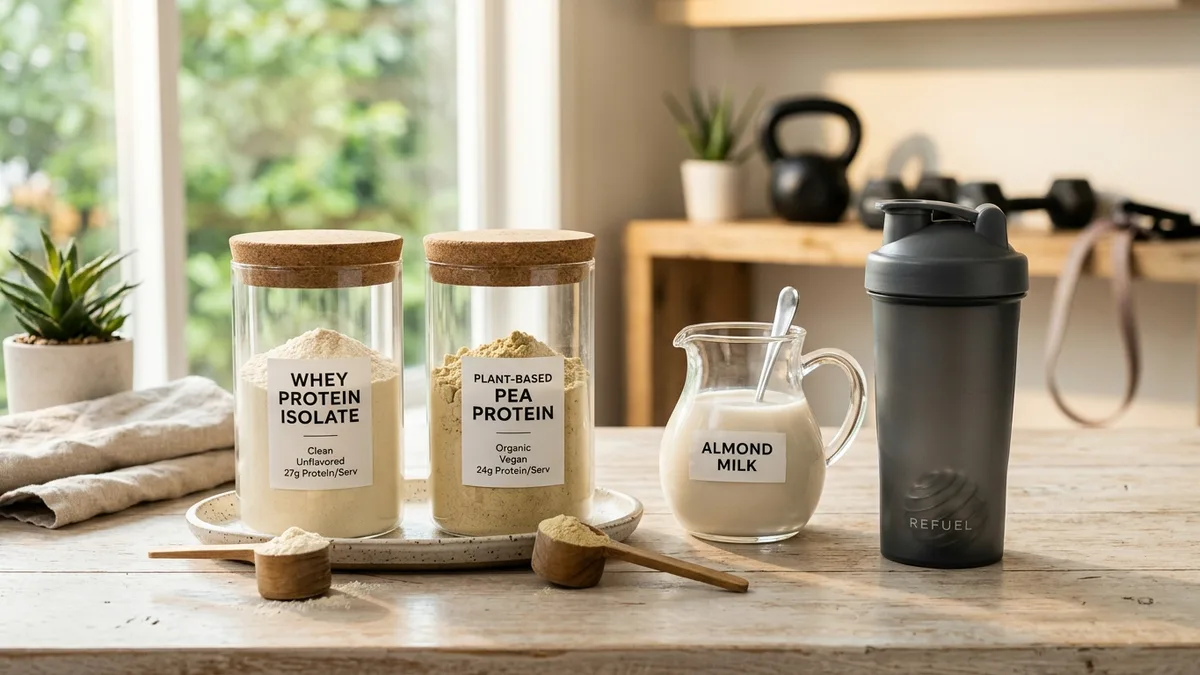
Protein powder is one of the most popular nutrition supplements, but choosing the right one can feel more complicated than it should.
Whey, isolate, casein, pea, soy, rice, hemp, hydrolyzed protein — there are dozens of labels, formulas, and marketing claims.
The good news is that most people do not need anything fancy.
A good protein powder should simply:
- Fit your diet
- Provide a useful amount of protein
- Be easy to digest
- Taste good enough to use regularly
- Have a straightforward ingredient list
- Come from a reputable company
Protein powder is not essential for building muscle or staying healthy. You can get all the protein you need from food.
But it can be a very convenient option if you are busy, exercise regularly, follow a plant-based diet, or struggle to eat enough protein throughout the day.
This guide explains the main types of protein powder, their benefits, how much to take, when to use them, possible side effects, and how to choose the right one for your needs.
What Is Protein Powder?
Protein powder is a concentrated source of dietary protein.
It is usually made from foods such as:
- Milk
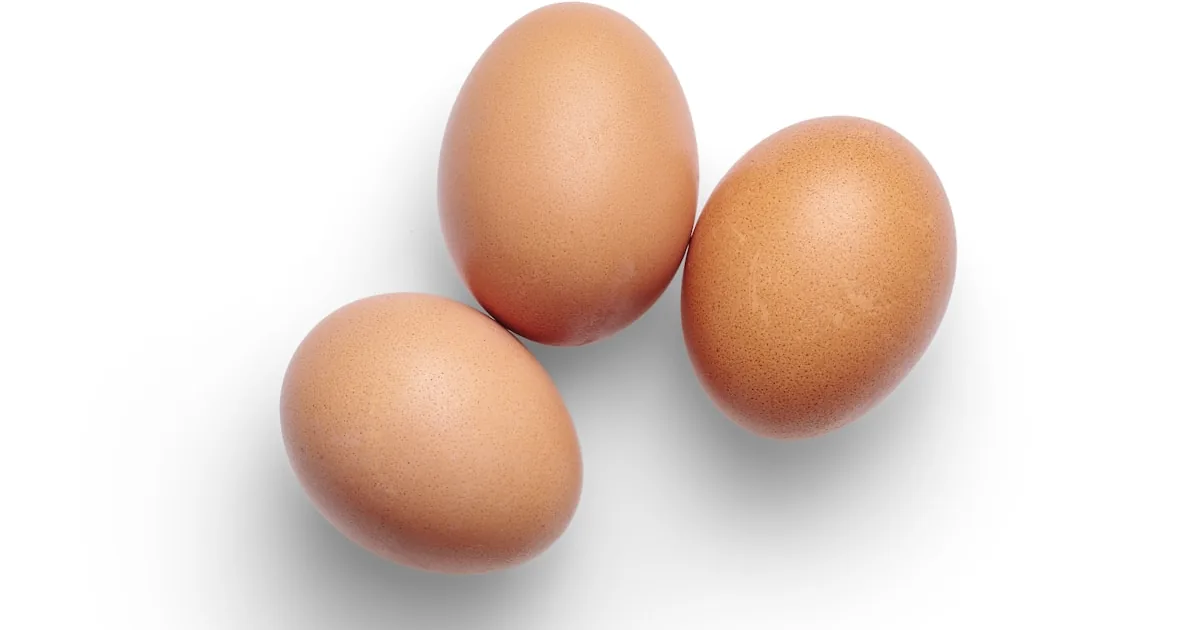
- Eggs
- Soybeans
- Peas
- Rice
- Hemp
During processing, much of the water, fat, and carbohydrate is removed, leaving a powder that is rich in protein.
Most protein powders provide around 15 to 30 grams of protein per serving, although the exact amount depends on the product.
Some powders contain very few ingredients.
Others may include:
- Sweeteners
- Flavoring
- Vitamins
- Minerals
- Fiber
- Enzymes
- Thickeners
- Caffeine
- Herbal ingredients
That is why reading the label is important.
Do You Really Need Protein Powder?
Not necessarily.
Many people can meet their protein needs with normal food.
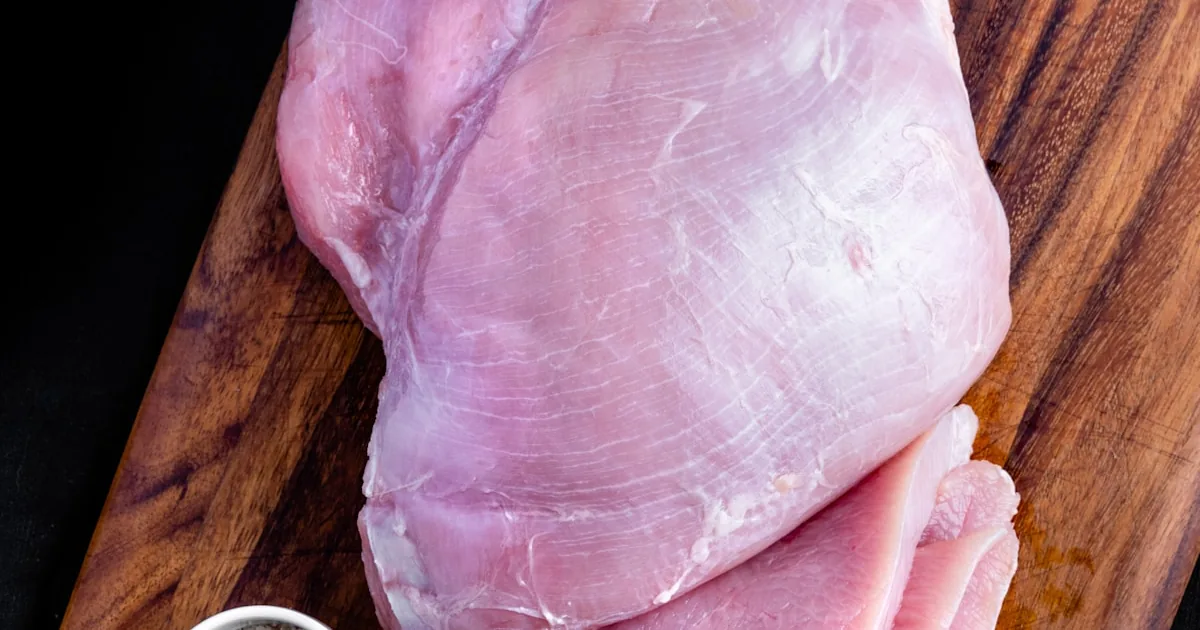
Good protein-rich foods include:
- Eggs
- Greek yogurt
- Milk
- Cottage cheese
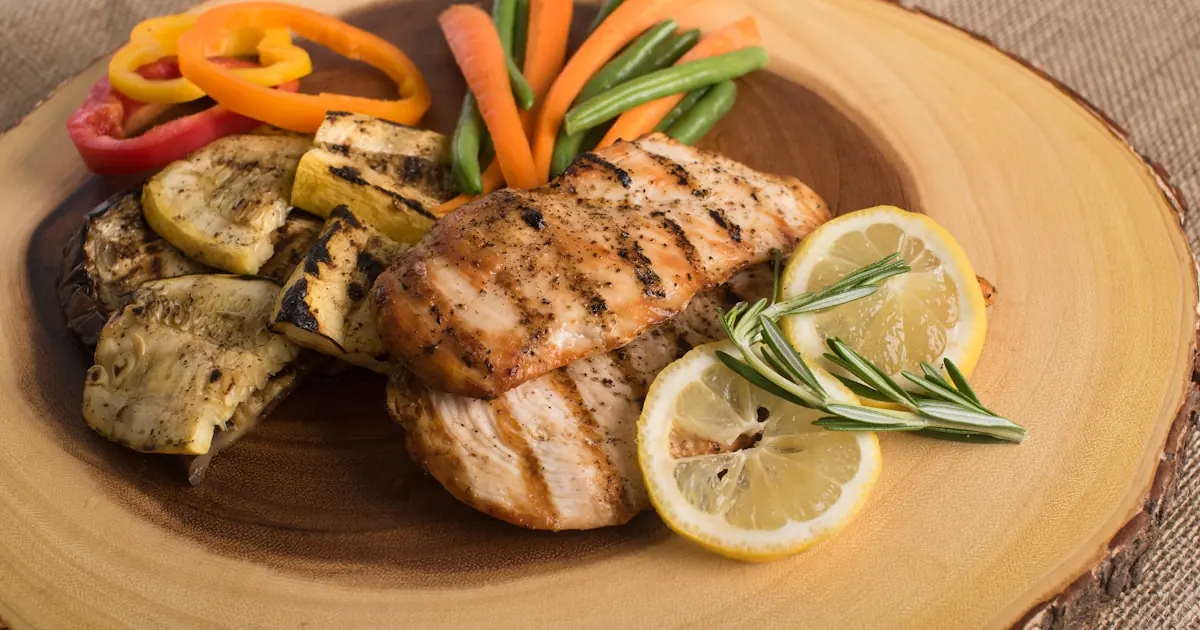
- Chicken
- Fish
- Lean meat
- Beans
- Lentils
- Tofu
- Tempeh
- Nuts
- Seeds
Protein powder is best viewed as a convenient tool, not a requirement.
It may be useful if:
- You have a busy schedule
- You find it difficult to eat enough protein
- You train regularly
- You want a quick post-workout option
- You follow a vegetarian or vegan diet
- You need an easy snack
- You have a low appetite but higher protein needs
If you already get enough protein from food, you may not need a supplement at all.
Benefits of Protein Powder
1. It Makes Protein Intake Easier
The biggest advantage of protein powder is convenience.
Preparing chicken, eggs, fish, or beans takes time.
A protein shake takes a minute or two.
That can be useful:
- Before work
- After training
- While traveling
- Between meals
- On busy mornings
Protein powder does not provide some special type of protein your body cannot get from food.
It simply makes it easier to reach your daily intake.
2. It Can Support muscle growth
Your body needs amino acids to repair and build muscle.
Protein powder can help provide those amino acids.
When combined with resistance training, adequate protein intake can support muscle growth.
However, protein powder does not build muscle by itself.
You still need:
- Consistent resistance training
- Enough total protein
- Enough calories
- Adequate sleep
- Recovery
- Progressive training
Think of protein powder as support, not the main driver.
3. It Can Help With Muscle Recovery
Exercise creates stress in muscle tissue.
Protein helps provide the building blocks needed for repair.
That is why many people use protein shakes after exercise.
You do not need to drink a shake the second your workout ends.
Your total protein intake across the day matters more than perfect timing.
4. It Can Help You Reach a Higher Protein Target
Some people need more protein than others.
This can include:
- Athletes
- People who lift weights
- Older adults
- People trying to preserve muscle
- People with higher calorie needs
Eating all your protein from whole food can sometimes be difficult.
Adding one shake may make the process much easier.
5. It Can Be Useful on a Plant-Based Diet
Plant-based diets can provide enough protein, but some people find it easier with a supplement.
Good plant-based protein powders include:
- Soy
- Pea
- Rice
- Hemp
- Pea-and-rice blends
This can be especially useful for vegans who exercise regularly.
6. It Can Make Meals More Convenient
A protein shake can also become part of a more complete meal.
For example:
Protein powder + milk + banana + oats + peanut butter
is more filling and nutritionally complete than protein powder mixed with water alone.
7. It May Help You Feel Full
Protein tends to be filling.
Adding protein to a meal or snack may help reduce hunger for some people.
This does not mean protein powder automatically causes weight loss.
Your overall calorie intake still matters.
Types of Protein Powder
There is no single best type for everyone.
The right choice depends on your diet, digestion, preferences, and goals.
Whey Protein
Whey comes from milk.
It is one of the most common protein powders and contains all nine essential amino acids.
It is also rich in leucine, an amino acid involved in muscle protein synthesis.
Whey is popular with:
- Gym users
- Athletes
- People trying to gain muscle
- Anyone wanting a convenient protein source
Pros of whey protein
- Complete protein
- Mixes easily
- Widely available
- Usually affordable
- Strong research base
- Digested relatively quickly
Cons of whey protein
- Not suitable for vegans
- Can contain lactose
- May cause digestive problems in some people
- Not suitable for people with a milk allergy
Whey Protein Concentrate
Whey concentrate is one of the most common forms.
It contains protein along with small amounts of:
- Carbohydrate
- Fat
- Lactose
It is usually cheaper than isolate.
If you tolerate dairy well, whey concentrate is often perfectly adequate.
Whey Protein Isolate
Whey isolate is processed further to remove more fat and carbohydrate.
It generally contains:
- More protein by weight
- Less lactose
- Less fat
- Fewer carbohydrates
It may be a better option if you are mildly lactose sensitive.
However, people with a true milk allergy should still avoid it.
Hydrolyzed Whey Protein
Hydrolyzed whey is partially broken down during processing.
It is often marketed as being easier or faster to digest.
It can also cost more.
For most people, there is no strong reason to pay extra unless you have a specific need.
Casein Protein
Casein is another milk protein.
It digests more slowly than whey.
Because of this, it is often used:
- Before bed
- Between meals
- When a thicker shake is preferred
- During longer periods without food
Casein can be filling, but you do not need it specifically at night to build muscle.
Soy Protein
Soy is a complete plant protein.
It contains all essential amino acids.
It is a strong option for:
- Vegans
- Vegetarians
- People avoiding dairy
- Anyone wanting a plant-based alternative
Soy protein can support muscle growth when total protein intake and training are appropriate.
Pea Protein
Pea protein is usually made from yellow split peas.
It is popular because it is:
- Dairy-free
- Plant-based
- Usually easy to digest
- Suitable for many people with food restrictions
Its texture may be slightly thicker than whey.
Rice Protein
Rice protein is usually made from brown rice.
It is plant-based and dairy-free.
By itself, it is lower in some essential amino acids.
That is why it is often combined with pea protein.
Pea and rice together can provide a more balanced amino acid profile.
Hemp Protein
Hemp protein comes from hemp seeds.
It often provides:
- Protein
- Fiber
- Healthy fats
- Minerals
It usually contains less protein per serving than whey isolate.
It also has a more earthy flavor.
Egg White Protein
Egg white protein is a dairy-free animal protein.
It is a complete protein and can be useful for people who:
- Avoid dairy
- Want an animal-based alternative
- Cannot tolerate whey or casein
It is not suitable for people with an egg allergy.
Whey vs. Casein vs. Plant Protein
Here is a simple comparison:
Protein Type | Source | Digestion | Complete Protein? | Good For |
|---|---|---|---|---|
Whey | Milk | Fast | Yes | General use, workouts |
Casein | Milk | Slow | Yes | Longer gaps between meals |
Soy | Soybeans | Moderate | Yes | Vegan and dairy-free diets |
Pea | Peas | Moderate | High quality | Vegan diets |
Rice | Rice | Moderate | Lower in some amino acids | Plant blends |
Hemp | Hemp seeds | Moderate | Yes, but less concentrated | Whole-food-style option |
Egg white | Eggs | Moderate | Yes | Dairy-free animal protein |
The best option is the one that fits your diet and that you can use consistently.
Protein Concentrate vs. Isolate
These terms describe how much the protein has been processed.
Protein Concentrate
Usually contains:
- Slightly less protein
- More fat
- More carbohydrate
- More lactose
It is normally cheaper.
Protein Isolate
Usually contains:
- More protein
- Less fat
- Less carbohydrate
- Less lactose
It usually costs more.
Neither is automatically better.
If you tolerate concentrate well, there may be no need to spend extra on isolate.
How Much Protein Powder Should You Take?
There is no fixed amount that everyone needs.
What matters is your total daily protein intake.
A typical serving provides:
20 to 30 grams of protein
For many people, one serving is enough to fill a gap in their diet.
Some people may not need protein powder at all.
Others may use one or two servings, depending on their diet and goals.
whole foods should still make up most of your diet.
How Much Protein Do You Need Per Day?
Protein needs depend on:
- Body weight
- Age
- Activity level
- Training
- Goals
- Health
The general recommendation for healthy adults is around:
0.8 grams per kilogram of body weight per day
People who train regularly may need more.
For example:
A person who weighs 70 kg would need around:
56 grams per day
at the basic 0.8 g/kg level.
Someone who lifts weights may benefit from a higher intake.
Protein powder should help you reach an appropriate total, not push protein intake higher for no reason.
How Much Protein Should You Have at One Time?
A common serving of 20 to 30 grams works well for many people.
Your body can digest more than this.
The idea that anything above a certain amount is automatically wasted is misleading.
However, spreading protein across several meals can make it easier to support muscle protein synthesis and reach your daily target.
When Is the Best Time to Take Protein Powder?
There is no perfect time.
You can use it:
- At breakfast
- After training
- Between meals
- In the evening
- Before bed
- Any time your diet is low in protein
For most people, total daily protein matters more than timing.
If you like a post-workout shake, use one.
If breakfast is easier, that is fine too.
Is Protein Powder Good After a Workout?
Yes.
Protein powder is a convenient post-workout option because it is:
- Quick
- Easy to prepare
- Easy to measure
- Portable
However, you do not need a shake after every workout.
A normal meal containing chicken, eggs, yogurt, fish, tofu, or another protein source can work just as well.
Can You Take Protein Powder Every Day?
Yes, many healthy adults can use protein powder regularly.
But it should not replace most whole foods.
Whole protein foods provide nutrients that powders may not, including:
- Iron
- Zinc
- Calcium
- Fiber
- Vitamins
- Healthy fats
A balanced diet should come first.
Is Protein Powder Safe?
For most healthy adults, protein powder can be safe when used appropriately.
However, product quality varies.
Some products contain:
- Large amounts of added sugar
- Unnecessary additives
- High calories
- Herbal ingredients
- Contaminants
- Ingredients not obvious from the front label
That is why choosing a reputable brand and reading the nutrition label matters.
Possible Side Effects of Protein Powder
Some people may experience:
- Gas
- Bloating
- Nausea
- Stomach cramps
- Diarrhea
Possible causes include:
- Lactose
- Artificial sweeteners
- Sugar alcohols
- Gums
- Thickeners
- Large serving sizes
If one product causes digestive discomfort, another type may work better.
Can Protein Powder Damage Your Kidneys?
For healthy adults, normal protein intake is generally handled well.
However, people with kidney disease may need to limit protein.
If you have a kidney condition, speak with a healthcare professional before increasing your protein intake or using supplements.
Does Protein Powder Cause Weight Gain?
It can contribute to weight gain if it increases your total calorie intake.
For example, a shake made with:
- Protein powder
- Whole milk
- Peanut butter
- Oats
- Banana
can contain a lot of calories.
That may be helpful if you are trying to gain weight.
If you are trying to maintain or lose weight, the calories still count.
Can Protein Powder Help With Weight Loss?
Protein can help you feel fuller.
For some people, that may make it easier to control appetite.
But protein powder is not a fat-burning product.
Weight loss still depends on your overall calorie intake and lifestyle.
How to Choose the Right Protein Powder
Choosing a good product does not need to be difficult.
1. Match the Protein to Your Diet
Choose:
Whey or casein if you tolerate dairy.
Soy, pea, rice, or plant blends if you want a vegan option.
Egg white protein if you want an animal-based, dairy-free choice.
2. Check the Protein Per Serving
Look for roughly:
20 to 30 grams per serving
This is a practical range for many people.
3. Read the Ingredient List
A simple ingredient list is often better.
You may see:
- Protein source
- Flavor
- Sweetener
- Lecithin
- Thickener
Be cautious of products with a long list of unnecessary extras.
4. Check Added Sugar
Do not assume every protein powder is low in sugar.
Compare labels.
Some products contain very little.
Others contain enough sugar to add significant calories.
5. Think About Digestion
If a powder regularly causes:
- Gas
- Bloating
- Diarrhea
- Discomfort
it may not suit you.
You may need to try:
- Whey isolate
- Pea protein
- Soy protein
- A lactose-free option
- A simpler product
6. Look for Third-Party Testing
Independent testing can help confirm:
- Ingredient accuracy
- Purity
- Product quality
This is especially useful for competitive athletes.
7. Ignore Overhyped Marketing
Words like:
- Extreme
- Ultra
- Advanced
- Elite
- Anabolic
- Maximum absorption
do not necessarily mean a better product.
Focus on the nutrition facts instead.
Best Protein Powder for Muscle Gain
There is no single best powder for muscle growth.
Good options include:
- Whey
- Whey isolate
- Soy
- Pea protein blends
What matters most is:
- Enough protein
- Consistent resistance training
- Enough calories
- Progressive overload
- Sleep and recovery
The protein powder itself is only one part of the picture.
Best Protein Powder for Weight Management
Choose a product with:
- Good protein content
- Moderate calories
- Little added sugar
- Ingredients you tolerate
Avoid assuming a product labeled “fat-burning” is automatically better.
Best Protein Powder for Beginners
Beginners do not need an expensive formula.
A simple product such as:
- Whey concentrate
- Whey isolate
- Soy protein
- Pea protein
is usually enough.
The first question should always be:
Do I actually need a protein supplement?
Best Protein Powder for Vegans
Good options include:
- Soy
- Pea
- Rice
- Hemp
- Pea-and-rice blends
Plant blends can provide a broader amino acid profile.
Best Protein Powder for Lactose Intolerance
Some people with mild lactose intolerance can tolerate whey isolate.
Others may prefer:
- Pea
- Soy
- Rice
- Hemp
- Egg white protein
People with a true milk allergy should avoid whey and casein completely.
Protein Powder vs. Whole Foods
Whole foods usually provide more complete nutrition.
For example:
- Salmon provides protein and omega-3 fats
- Beans provide protein and fiber
- Greek yogurt provides protein and calcium
- Chicken provides protein plus vitamins and minerals
Protein powder mainly provides concentrated protein.
A good rule is:
Whole foods first, protein powder when useful.
Protein Powder vs. Protein Bars
Protein powder often provides:
- More protein for fewer calories
- Less sugar
- Lower cost per serving
- More flexibility
Protein bars are more portable.
However, some bars contain a lot of sugar and calories.
Always check the label.
creatine">Protein Powder vs. Creatine
These supplements do different jobs.
Protein Powder | Creatine |
|---|---|
Provides protein | Supports rapid energy production |
Supplies amino acids | Helps regenerate ATP |
Supports muscle repair | Supports high-intensity performance |
Usually 20–30 g protein per serving | Commonly 3–5 g per day |
Some people use both.
There is no need to choose one over the other if both fit your goals.
Can You Mix Creatine With Protein Powder?
Yes.
You can add creatine to a protein shake.
There is generally no need to take them separately.
Common Protein Powder Mistakes
Relying on Shakes Too Much
Protein powder should not replace most of your normal food.
Assuming More Protein Means Better Results
More is not always better.
Once you meet your needs, extra protein does not automatically produce extra muscle.
Ignoring Calories
Protein shakes can become high-calorie very quickly.
Buying Based on Marketing
A fancy label does not mean better nutrition.
Ignoring Digestive Problems
If a product repeatedly causes discomfort, try something else.