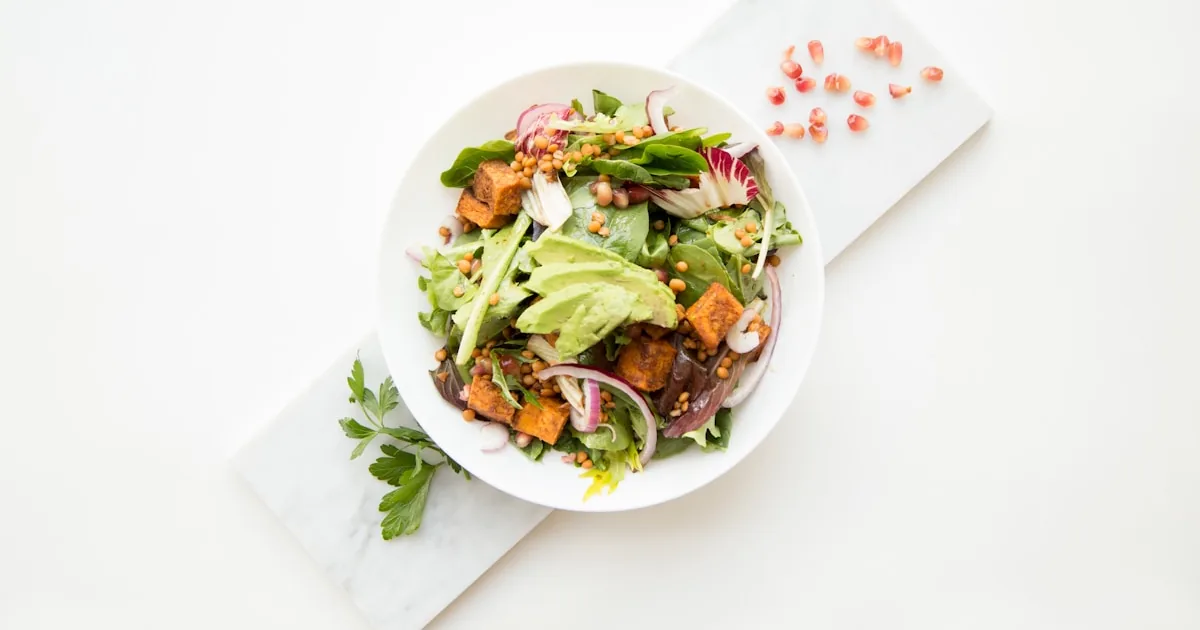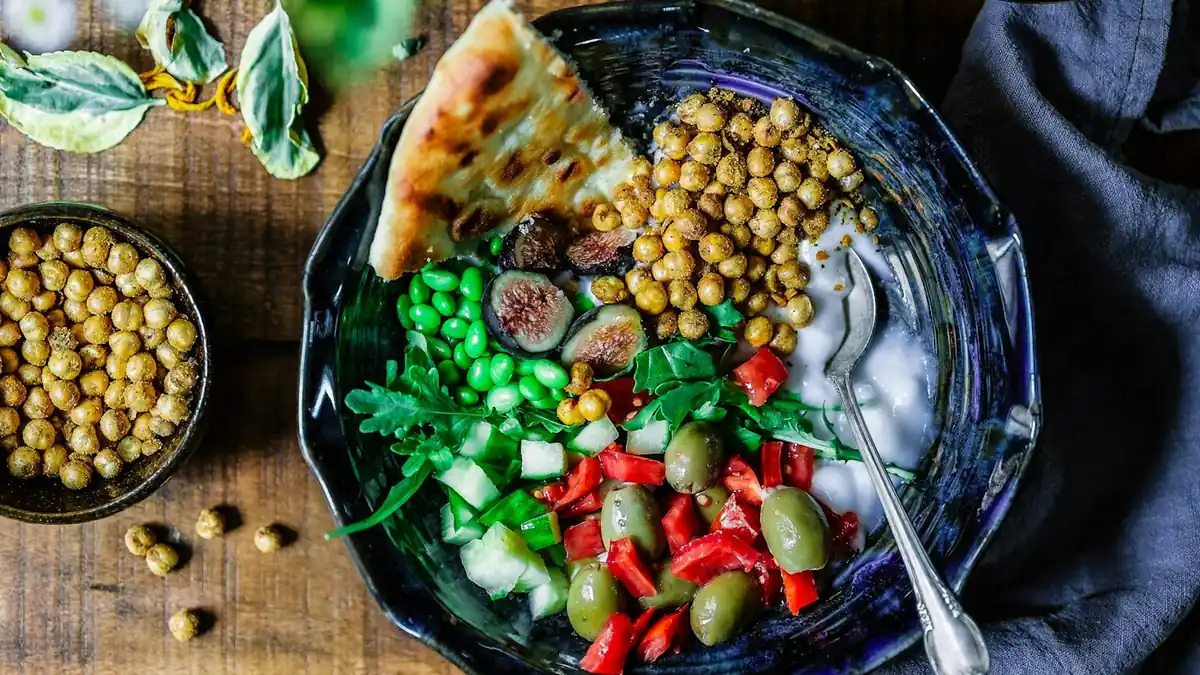
Trying to lose weight does not mean eating tiny portions, skipping meals, or surviving on salads.
A better approach is to build meals around foods that help you feel satisfied while keeping your overall calorie intake appropriate for your needs.
This 7-day healthy meal plan for weight loss focuses on two especially useful nutrients:
- Protein, from foods such as eggs, Greek yogurt, chicken, fish, tofu, beans, and lentils
- Fiber, from vegetables, fruit, legumes, oats, whole grains, nuts, and seeds
Protein helps you build balanced, satisfying meals, while fiber adds volume and supports digestive health. Current CDC guidance recommends prioritizing protein foods at meals, choosing fiber-rich whole grains, eating a variety of fruits and vegetables, and limiting highly processed foods and added sugars.
This plan gives you seven days of simple breakfasts, lunches, dinners, and snacks that can be adjusted for your calorie needs, preferences, culture, and budget.
Quick Answer: What Should a Weight-Loss Meal Plan Include?
A practical weight-loss meal plan should include:
- A protein source at most meals
- Plenty of vegetables
- Whole fruit
- Beans, lentils, or whole grains for fiber
- Healthy fats in sensible portions
- Mostly water or other low-calorie drinks
- Portions matched to your energy needs
No individual meal or food causes weight loss by itself.
Weight loss occurs when your average calorie intake is lower than the amount of energy your body uses over time. A sustainable plan should still provide adequate nutrition and be something you can realistically continue.
How This 7-Day Meal Plan Works
Each day includes:
- Breakfast
- Lunch
- One optional snack
- Dinner
The meals emphasize foods that naturally provide protein, fiber, or both.
The plan is deliberately flexible.
If your calorie needs are higher, you may need larger portions or additional snacks.
If your calorie needs are lower, you may need smaller portions.
Your needs depend on factors such as:
- Age
- Sex
- Height
- Weight
- Activity level
- Metabolism
- Health
- Weight-loss goal
NIDDK notes that calorie requirements vary according to factors such as age, body size, metabolism, sex, and physical activity.
Day 1: Eggs, Chicken, Greek Yogurt, and Salmon
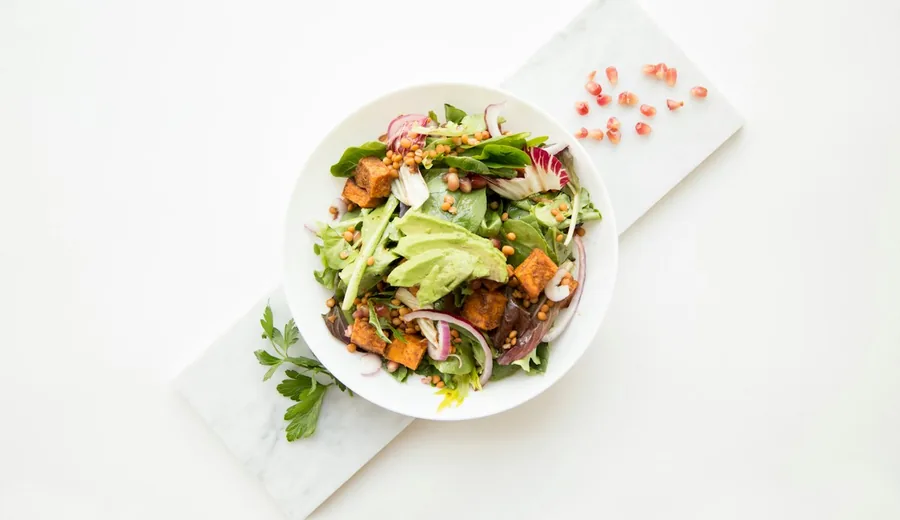
Breakfast: Vegetable Eggs With Whole-Grain Toast
Prepare:
- 2 eggs
- Spinach
- Tomato
- Mushrooms
- 1 slice whole-grain toast
- Fresh berries on the side
Cook the vegetables with the eggs and serve them with toast and fruit.
Why it works
Eggs provide protein, while whole-grain bread, vegetables, and berries contribute fiber and additional nutrients.
If you need a larger breakfast, add plain Greek yogurt.
Lunch: Chicken and Chickpea Salad Bowl
Combine:
- Grilled chicken
- Chickpeas
- Mixed leafy greens
- Cucumber
- Tomatoes
- Bell pepper
- A small amount of olive oil
- Lemon juice
Chicken provides a concentrated protein source, while chickpeas and vegetables increase fiber and meal volume.
Snack: Greek Yogurt With Berries
Use:
- Plain Greek yogurt
- Strawberries or blueberries
- Cinnamon
Optional:
- Chia seeds
Choose plain yogurt if you want greater control over added sugar.
Dinner: Baked Salmon, Potato, and Broccoli
Serve:
- Baked salmon
- Boiled or roasted potato
- Broccoli
- Side salad
Use herbs, garlic, pepper, or lemon for flavor.
This meal combines protein, vegetables, fiber-containing carbohydrates, and unsaturated fats.
Day 2: Oats, Turkey, Apple, and Lentils
Breakfast: Greek Yogurt Overnight Oats
Combine the night before:
- Rolled oats
- Plain Greek yogurt
- Milk or fortified soy milk
- Chia seeds
- Berries
- Cinnamon
Refrigerate overnight.
Why it works
Oats and chia seeds provide fiber, while Greek yogurt and milk increase the protein content.
Lunch: Turkey and Avocado Whole-Grain Wrap
Fill a whole-grain tortilla with:
- Cooked turkey
- Lettuce
- Tomato
- Cucumber
- Shredded carrot
- A small amount of avocado
- Mustard or yogurt-based dressing
Add a piece of fruit on the side if desired.
Snack: Apple With Peanut Butter
Pair:
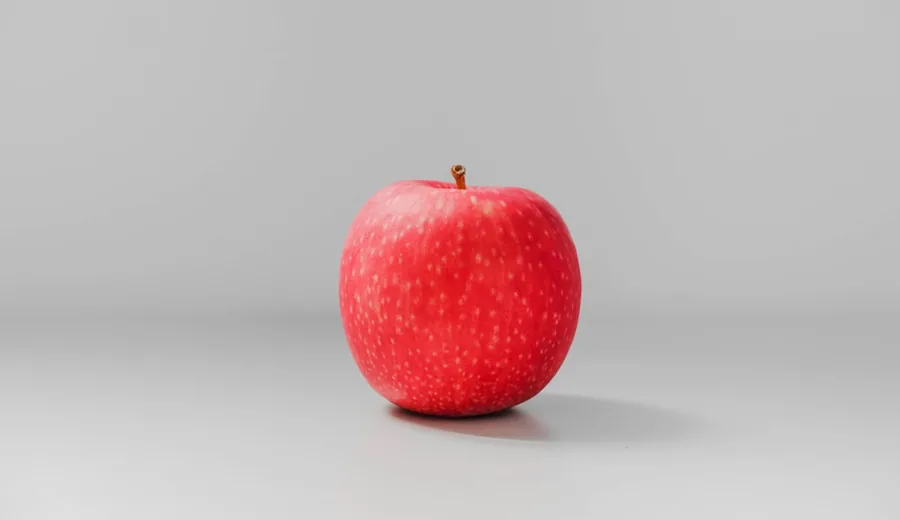
- 1 whole apple
- A sensible portion of peanut butter
The apple provides fiber, while peanut butter contributes some protein and fat.
Because nut butter is calorie-dense, you do not need a large amount.
Dinner: Lentil and Vegetable Curry
Prepare a simple curry using:
- Lentils
- Tomatoes
- Spinach
- Onion
- Carrots
- Garlic
- Herbs and spices
Serve with a moderate portion of:
Lentils provide both protein and fiber, making them particularly useful in filling plant-based meals.
Day 3: Cottage Cheese, Tuna, Edamame, and Chicken
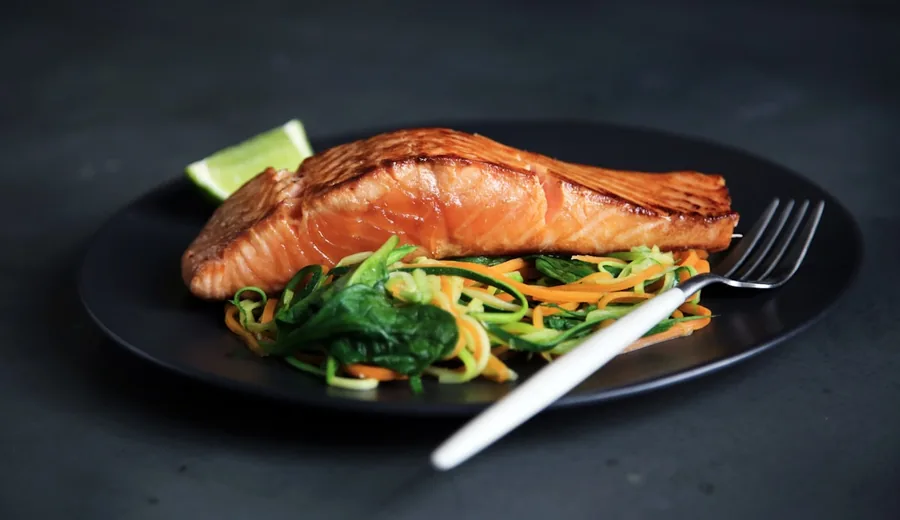
Breakfast: Cottage Cheese Fruit Bowl
Combine:
- Cottage cheese
- Berries
- Sliced apple or peach
- Chia seeds
- Cinnamon
Optional:
- A small amount of chopped nuts
For a savory version, replace the fruit with tomatoes, cucumber, herbs, and whole-grain toast.
Lunch: Tuna and White Bean Salad
Combine:
- Canned tuna
- White beans
- Spinach or mixed greens
- Tomatoes
- Cucumber
- Onion
- Lemon juice
- Herbs
Tuna provides protein, while beans provide both protein and fiber.
Snack: Edamame
A bowl of cooked edamame makes a simple snack that contains both protein and fiber.
Add spices or a small amount of seasoning if desired.
Dinner: Chicken Quinoa Bowl
Build the bowl with:
- Grilled chicken
- Quinoa
- Broccoli
- Bell peppers
- Spinach
- Salsa or yogurt-based dressing
Adjust the amount of quinoa and dressing according to your calorie needs.
Day 4: High-Protein Oatmeal, Beans, Yogurt, and Fish
Breakfast: Protein-Rich Oatmeal
Cook oats with:
- Milk or fortified soy milk
Then add:
- Plain Greek yogurt
- Berries
- Chia seeds
- Cinnamon
You can add a small amount of nuts if desired.
Lunch: Black Bean Rice Bowl
Combine:
- Black beans
- Brown rice
- Lettuce
- Tomato
- Corn
- Bell pepper
- Salsa
- A small amount of avocado
Black beans add both fiber and plant protein.
For additional protein, add:
- Chicken
- Tofu
- Egg
depending on your preferences.
Snack: Greek Yogurt and Fruit
Choose:
- Plain Greek yogurt
- Orange, berries, or another whole fruit
This requires almost no preparation.
Dinner: White Fish With Roasted Vegetables
Serve baked cod, tilapia, or another fish with:
- Roasted carrots
- Broccoli
- Cauliflower
- Potato or another whole-food carbohydrate
Use herbs, lemon, and spices for flavor.
Day 5: Breakfast Burrito, Chicken Soup, Cottage Cheese, and Tofu
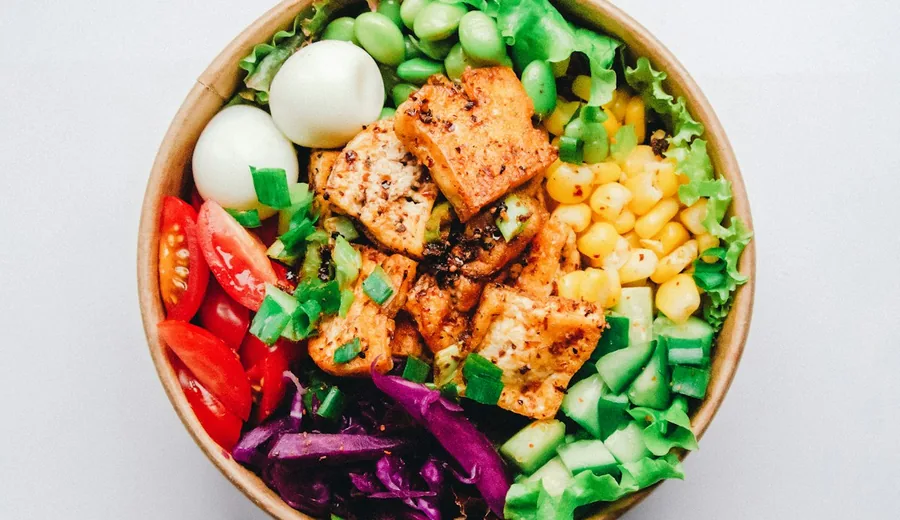
Breakfast: Egg and Bean Breakfast Burrito
Fill a whole-grain tortilla with:
- Scrambled eggs
- Black beans
- Spinach
- Tomato
- Bell pepper
- Salsa
Optional:
- A small amount of avocado
Eggs and beans create a breakfast containing both protein and fiber.
Lunch: Chicken and Vegetable Soup
Make soup with:
- Chicken
- Beans or lentils
- Carrots
- Celery
- Tomatoes
- Spinach
- Onion
Serve with:
- Whole-grain bread
A broth-based soup can add substantial meal volume through vegetables and water while still providing protein.
Snack: Cottage Cheese With Berries
Combine plain cottage cheese with fresh fruit.
Add cinnamon if desired.
Dinner: Tofu Vegetable Stir-Fry
Use:
- Firm tofu
- Broccoli
- Mushrooms
- Bell peppers
- Carrots
- Snap peas
Serve with:
- Brown rice or quinoa
Use a reasonable amount of sauce, particularly if it is high in sodium or sugar.
Day 6: Greek Yogurt, Lentils, Eggs, and Turkey
Breakfast: Greek Yogurt Breakfast Bowl
Combine:
- Plain Greek yogurt
- Oats
- Berries
- Chia seeds
- A small amount of walnuts
This gives you protein, whole grains, fruit, fiber, and healthy fats in one simple meal.
Lunch: Lentil and Chicken Salad
Combine:
- Cooked lentils
- Grilled chicken
- Leafy greens
- Cucumber
- Tomato
- Carrot
- Lemon juice
- Herbs
You can omit the chicken for a vegetarian version and add more lentils, tofu, or edamame.
Snack: Boiled Eggs and Vegetables
Try:
- 1 or 2 boiled eggs
- Carrot sticks
- Cucumber
- Bell pepper
This is easy to prepare in advance.
Dinner: Turkey and Bean Chili
Prepare chili with:
- Lean ground turkey
- Kidney beans
- Black beans
- Tomatoes
- Onion
- Bell pepper
- Spices
Serve with a side salad.
Using beans increases the fiber content while adding additional protein.
Day 7: Tofu, Chickpeas, Yogurt, and Salmon
Breakfast: Tofu Scramble
Cook crumbled tofu with:
- Spinach
- Mushrooms
- Tomato
- Bell pepper
- Onion
Serve with:
- Whole-grain toast
- Fresh fruit
This is a useful egg-free, plant-based breakfast option.
Lunch: Chickpea Quinoa Bowl
Combine:
- Chickpeas
- Quinoa
- Cucumber
- Tomatoes
- Spinach
- Bell pepper
- Fresh herbs
- Lemon juice
Optional:
- Greek yogurt dressing
- A small amount of olive oil
Chickpeas and quinoa provide plant protein and fiber.
Snack: Greek Yogurt With Apple
Combine:
- Plain Greek yogurt
- Chopped apple
- Cinnamon
Optional:
- Chia seeds
Dinner: Salmon and Lentil Vegetable Plate
Serve:
- Baked salmon
- Lentils
- Broccoli
- Carrots
- Spinach or another leafy vegetable
This final meal combines protein from both salmon and lentils with a substantial amount of fiber-rich plant food.
7-Day Meal Plan at a Glance
Day | Breakfast | Lunch | Snack | Dinner |
1 | Vegetable eggs & toast | Chicken chickpea salad | Greek yogurt & berries | Salmon, potato & broccoli |
2 | Overnight oats | Turkey avocado wrap | Apple & peanut butter | Lentil vegetable curry |
3 | Cottage cheese fruit bowl | Tuna white bean salad | Edamame | Chicken quinoa bowl |
4 | Protein-rich oatmeal | Black bean rice bowl | Yogurt & fruit | Fish & roasted vegetables |
5 | Egg & bean burrito | Chicken vegetable soup | Cottage cheese & berries | Tofu stir-fry |
6 | Greek yogurt bowl | Lentil chicken salad | Eggs & vegetables | Turkey bean chili |
7 | Tofu scramble | Chickpea quinoa bowl | Yogurt & apple | Salmon, lentils & vegetables |
High-Protein Foods Used in This Meal Plan
The plan uses a variety of protein sources instead of relying on chicken at every meal.
These include:
- Eggs
- Greek yogurt
- Cottage cheese
- Chicken
- Turkey
- Salmon
- Tuna
- White fish
- Tofu
- Lentils
- Chickpeas
- Beans
- Edamame
Current dietary guidance recommends variety among protein foods, including seafood, poultry, eggs, legumes, nuts, seeds, and soy foods.
High-Fiber Foods Used in This Meal Plan
Fiber-rich foods include:
- Oats
- Lentils
- Beans
- Chickpeas
- Edamame
- Quinoa
- Brown rice
- Whole-grain bread
- Berries
- Apples
- Vegetables
- Chia seeds
- Nuts
CDC identifies fruits, vegetables, whole grains, legumes, nuts, and seeds as useful fiber sources and notes that fiber can help people feel fuller longer.
Why Protein and Fiber Work Well Together
A meal containing both protein and fiber tends to be more substantial than a meal based mostly on refined carbohydrates.
For example, compare:
Plain white toast
with:
Eggs + whole-grain toast + vegetables
or:
Sweetened cereal
with:
Greek yogurt + oats + berries + chia seeds
The goal is not to eliminate carbohydrates.
It is to combine foods intelligently so meals provide protein, fiber, volume, and other nutrients.
How to Adjust This Meal Plan to Your Calorie Needs
This meal plan intentionally does not prescribe one universal calorie target.
Two people can eat the same foods but require very different portions.
Someone who is:
- Taller
- Heavier
- Younger
- Highly active
may need more food.
Someone who is:
- Smaller
- Older
- Less active
may require less.
Adjust portions of foods such as:
- Rice
- Quinoa
- Oats
- Potatoes
- Bread
- Nuts
- Seeds
- Avocado
- Oils
according to your energy needs.
Protein and vegetables can remain central to the meal while these other components help you scale the meal appropriately.
How to Make the Meal Plan More Filling
If you are constantly hungry, simply trying to tolerate the hunger may not be the best solution.
Instead, examine how your meals are structured.
Add More Non-Starchy Vegetables
Increase foods such as:
- Broccoli
- Spinach
- Cucumber
- Mushrooms
- Tomatoes
- Carrots
- Bell peppers
- Cauliflower
CDC notes that the water and fiber in fruits and vegetables can increase fullness and can help reduce the calorie density of meals when they replace more calorie-dense ingredients.
Include Protein at Meals
Make sure breakfast, lunch, and dinner contain a meaningful protein source.
Include Fiber
Use:
- Beans
- Lentils
- Whole grains
- Fruit
- Vegetables
- Seeds
Drink Enough Fluids
Water is an easy calorie-free beverage option.
Avoid Making Your Calorie Deficit Too Aggressive
A meal plan that leaves you exhausted and constantly hungry may be difficult to maintain.
Successful weight-loss programs focus on sustainable reduced-calorie eating patterns rather than extreme restriction.
Simple Meal-Prep Plan for the Week
You do not need to prepare 28 individual containers.
Instead, prepare versatile ingredients.
Cook 2 Protein Sources
For example:
- Chicken
- Tofu
Cook 2 Fiber-Rich Bases
For example:
- Lentils
- Quinoa or brown rice
Prepare Breakfast Staples
Have ready:
- Boiled eggs
- Greek yogurt
- Oats
- Fruit
Wash and Chop Vegetables
Prepare:
- Cucumber
- Bell peppers
- Carrots
- Broccoli
- Leafy greens
Make One Simple Dressing
For example:
Greek yogurt + lemon + herbs + black pepper
Now you can create different bowls, salads, wraps, and meals without cooking everything from scratch every day.
Weekly Grocery List
Protein Foods
- Eggs
- Greek yogurt
- Cottage cheese
- Chicken breast
- Turkey
- Salmon
- Tuna
- White fish
- Tofu
- Edamame
Legumes
- Lentils
- Chickpeas
- Black beans
- Kidney beans
- White beans
Whole Grains and Starchy Foods
- Rolled oats
- Brown rice
- Quinoa
- Whole-grain bread
- Whole-grain tortillas
- Potatoes
Vegetables
- Spinach
- Mixed greens
- Broccoli
- Cauliflower
- Carrots
- Bell peppers
- Tomatoes
- Cucumber
- Mushrooms
- Onion
- Celery
Fruit
- Berries
- Apples
- Oranges
- Bananas
- Peaches or other seasonal fruit
Healthy Fats and Extras
- Olive oil
- Avocado
- Peanut butter
- Chia seeds
- Walnuts or almonds
- Herbs
- Spices
- Lemon
- Salsa
You do not need every ingredient.
Choose foods that are affordable and available where you live.
Budget-Friendly Meal Swaps
Eating a high-protein, high-fiber diet does not require expensive specialty foods.
Try these swaps:
Salmon → Canned Tuna, Eggs, Beans, or Lentils
Use whichever protein source fits your budget.
Quinoa → Brown Rice or Potatoes
Quinoa is optional.
Fresh Berries → Frozen Berries or Seasonal Fruit
Frozen fruit can be nutritious and convenient.
Greek Yogurt → Plain Local Yogurt With Suitable Protein Content
Compare labels when available.
Chicken Breast → Eggs, Lentils, Beans, or Tofu
Plant proteins can help reduce meal costs.
Fresh Vegetables → Frozen Vegetables
Frozen vegetables without heavy sauces can be convenient and reduce waste.
Vegetarian Version of the Meal Plan
Replace:
- Chicken
- Turkey
- Fish
- Tuna
with combinations of:
- Tofu
- Tempeh
- Eggs
- Greek yogurt
- Cottage cheese
- Lentils
- Beans
- Chickpeas
- Edamame
For example:
Chicken quinoa bowl → tofu quinoa bowl
Turkey chili → lentil and bean chili
Tuna bean salad → edamame and white bean salad
Vegan Version of the Meal Plan
Replace animal protein with:
- Tofu
- Tempeh
- Lentils
- Beans
- Chickpeas
- Edamame
- Soy yogurt
- Fortified soy milk
For example:
Greek yogurt oats → oats with soy yogurt and fortified soy milk
Egg burrito → tofu and black bean burrito
Salmon dinner → tofu or lentil bowl
A varied plant-based eating pattern can provide substantial protein, fiber, and micronutrients, although certain nutrients may require additional planning in fully vegan diets.
Foods You Do Not Need to Ban for Weight Loss
A healthy meal plan does not require permanently eliminating:
- Bread
- Rice
- Potatoes
- Pasta
- Fruit
- Desserts
- Restaurant meals
What matters is your overall pattern, portions, frequency, and total energy intake.
Trying to follow an unnecessarily restrictive plan can make healthy eating more difficult to maintain.
Common Weight-Loss Meal-Planning Mistakes
Eating Too Little During the Day
Skipping breakfast and lunch in an attempt to save calories can leave some people extremely hungry later.
Meal timing is personal, but your overall plan should be realistic.
Building Meals Without Protein
A plate of vegetables alone may not feel like a complete meal.
Add eggs, fish, chicken, beans, lentils, tofu, yogurt, or another appropriate protein source.
Forgetting Fiber
Protein is important, but a diet based almost entirely on animal protein can miss useful fiber-rich foods.
Include vegetables, fruit, legumes, and whole grains.
Drinking Large Amounts of Calories
Watch frequent intake of:
- Sugary drinks
- Sweetened coffees
- Juice
- Alcohol
- Milkshakes
Using Too Much Oil Without Realizing It
Olive oil can be part of a nutritious diet, but it is calorie-dense.
Measure rather than automatically pouring large amounts.
Treating Nuts as Unlimited
Nuts are nutritious but energy-dense.
A modest portion is usually enough.
Expecting the Meal Plan to Cause Weight Loss Automatically
Eating nutritious foods does not guarantee a calorie deficit.
Portion size and overall calorie intake still matter.
Do You Need Snacks While Losing Weight?
No.
Snacks are optional.
If three meals keep you comfortable, you do not need to eat simply because a meal plan says it is “snack time.”
If you are hungry between meals, useful options include:
- Greek yogurt
- Whole fruit
- Cottage cheese
- Edamame
- Eggs
- Vegetables with hummus
- A small portion of nuts
Choose snacks that solve actual hunger rather than eating automatically.
What Should You Drink?
Water can be your main beverage.
Other options may include:
- Unsweetened tea
- Coffee with minimal additions
- Sparkling water
- Milk where appropriate
Sugary drinks can add calories quickly without providing the same fullness as a complete meal.
Should You Exercise With This Meal Plan?
Physical activity has health benefits beyond weight loss and can support long-term weight management.
NIDDK notes that adults are generally encouraged to work toward at least 150 minutes of moderate-intensity aerobic activity per week, along with muscle-strengthening activities on two or more days per week, when medically appropriate.
Exercise does not mean you have to “earn” food.
Treat movement as part of your overall health routine rather than punishment for eating.
Frequently Asked Questions
The Bottom Line
A healthy weight-loss meal plan does not have to be complicated. For advance batch cooking ideas, check out our guide to 25 easy meal prep recipes and our favorite high-protein low-calorie meals.
Start by building meals around:
Protein + fiber-rich foods + vegetables or fruit + appropriate portions of carbohydrates and healthy fats.
Over these seven days, that might mean:
- Eggs and vegetables at breakfast
- Chicken and chickpeas at lunch
- Greek yogurt and fruit for a snack
- Fish, potatoes, and broccoli for dinner
On another day, it could mean:
- Overnight oats
- A bean bowl
- Edamame
- Lentil curry
The specific foods can change.
The overall pattern is what matters.
Current nutrition guidance emphasizes whole, nutrient-dense foods including protein foods, vegetables, fruits, healthy fats, dairy or appropriate alternatives, and whole grains, while reducing heavily processed foods and excess added sugars.
For weight loss, adjust portions so the plan supports an appropriate calorie deficit without making the diet unnecessarily restrictive.
The best meal plan is not the one that looks perfect for seven days.
It is the one you can turn into a healthy way of eating for the weeks and months that follow.