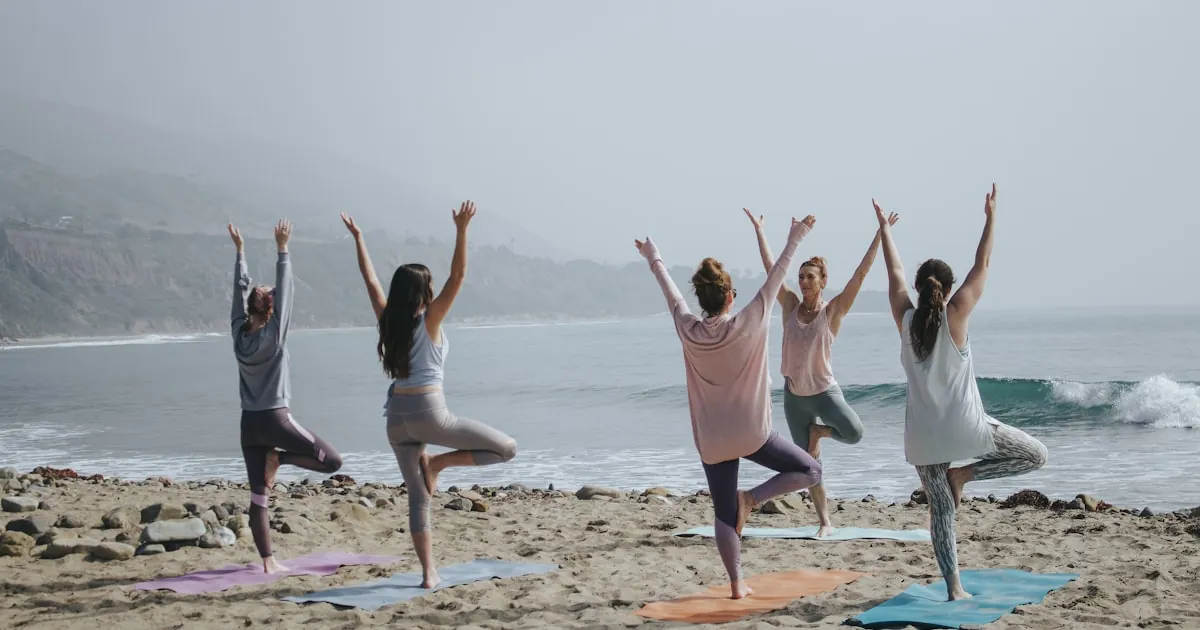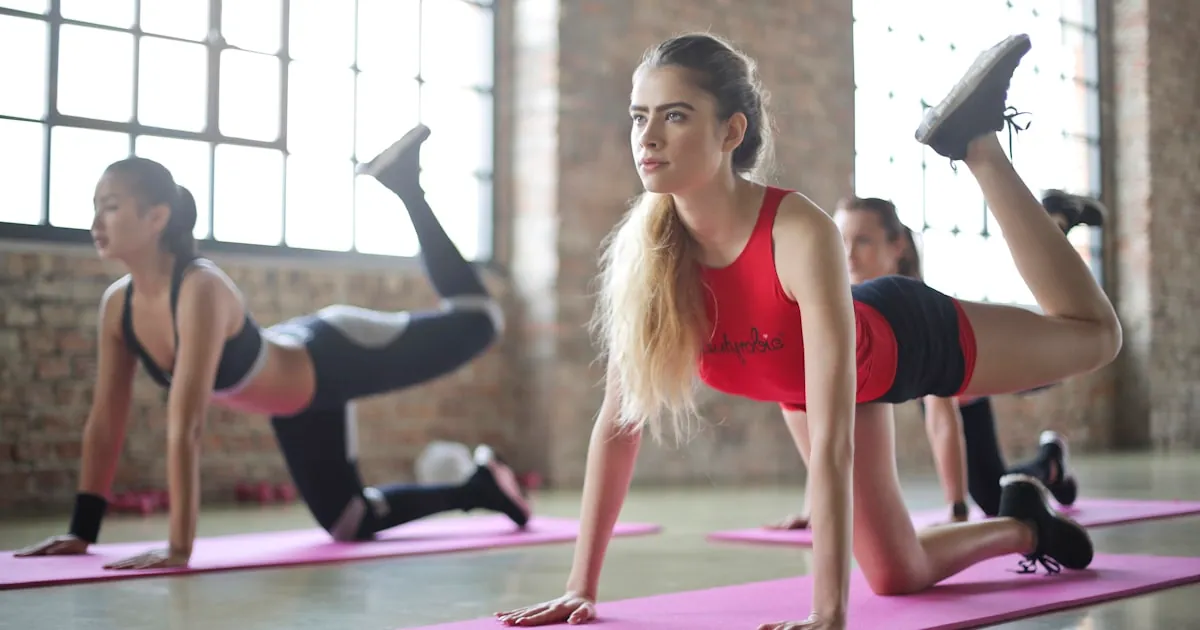
A boot camp workout is a high-energy fitness session that typically combines cardio, strength exercises, and bodyweight movements in a circuit or interval format.
A typical workout might include squats, lunges, push-ups, jumping jacks, running, planks, burpees, resistance exercises, and short recovery periods.
Despite the name, fitness boot camps are not necessarily military training.
Modern boot camp workouts range from challenging outdoor group classes to beginner-friendly indoor sessions where exercises are modified according to fitness level.
The main appeal is efficiency. Instead of separating cardio and strength into completely different workouts, boot camp training often combines several types of exercise into one session.
This guide explains what boot camp workouts are, how they work, common exercises, potential benefits, beginner modifications, equipment, safety considerations, and how to create a simple boot camp workout at home.
Quick Answer: What Is a Boot Camp Workout?
A boot camp workout is a structured fitness session that combines exercises such as:
- Squats
- Lunges
- Push-ups
- Planks
- Running or jogging
- Jumping jacks
- Burpees
- Mountain climbers
- Resistance exercises
- Short exercise circuits
Classes commonly alternate between periods of exercise and recovery.
Depending on the program, boot camp training can develop:
cardiovascular fitness + muscular endurance + strength + coordination + general conditioning
A session may last approximately 30 to 60 minutes, although shorter and longer formats exist.
Beginners can participate when exercises and intensity are appropriately modified.
What Does "Boot Camp Workout" Mean?
The term boot camp originally refers to military recruit training.
Fitness programs later adopted the term for workouts inspired by some aspects of military physical conditioning.
Traditional fitness boot camps often emphasized:
- Group exercise
- Calisthenics
- Running
- Outdoor training
- Circuit workouts
- Limited rest
- Instructor-led sessions
Modern boot camps are much broader.
A gym may call a class "boot camp" even if it uses:
- Dumbbells
- Kettlebells
- Resistance bands
- Rowing machines
- Medicine balls
- Battle ropes
- Exercise bikes
There is no single standardized boot camp workout.
The structure depends on the instructor and program.
How Does a Boot Camp Workout Work?
Most boot camp workouts use one or more training formats.
Circuit Training
You perform several exercises in sequence.
For example:
- Squats
- Push-ups
- Mountain climbers
- Lunges
- Plank
After completing the circuit, you rest and repeat it.
Interval Training
Exercise periods alternate with recovery periods.
For example:
40 seconds exercise
followed by:
20 seconds recovery
Then you move to the next exercise.
Station Training
Different areas of the room or field contain different exercises.
Participants rotate between stations.
For example:
Station 1: Squats
Station 2: Push-ups
Station 3: Jump rope
Station 4: Rows
Station 5: Plank
Team or Partner Workouts
Some boot camps include:
- Partner exercises
- Relay races
- Team challenges
- Group circuits
These can add a social and motivational component.
What Happens in a Boot Camp Class?
A typical boot camp class may contain four stages.
1. Warm-Up
Approximately 5 to 10 minutes.
The warm-up might include:
- Walking
- Light jogging
- Arm circles
- Bodyweight squats
- Dynamic lunges
- Hip movements
- Easy jumping jacks
The goal is to gradually prepare your body for more demanding exercise.
2. Main Workout
This is usually the longest section.
It may combine:
- Strength exercises
- Cardio intervals
- Bodyweight movements
- Core exercises
3. Finisher
Some classes end the main workout with a short, challenging interval.
Examples include:
- Burpees
- Sprints
- Squats
- Mountain climbers
A finisher is optional and does not need to be extremely difficult to make a workout effective.
4. Cool-Down
The session may finish with:
- Slower walking
- Gentle movement
- Stretching
- Controlled breathing
What Exercises Are in a Boot Camp Workout?
Boot camp workouts can include dozens of exercises.
The following are among the most common.
1. Bodyweight Squats
Squats primarily challenge the lower body.
Muscles Worked
- Quadriceps
- Glutes
- Hamstrings
- Core
How to Do Them
- Stand with your feet comfortably apart.
- Bend your knees and hips.
- Lower yourself under control.
- Keep your feet stable.
- Stand back up.
Your exact squat depth depends on your mobility and comfort.
2. Lunges
Lunges challenge one leg at a time.
Muscles Worked
- Quadriceps
- Glutes
- Hamstrings
- Calves
- Core
Beginners can perform stationary split squats before progressing to walking or dynamic lunges.
3. Push-Ups
Push-ups are a common upper-body boot camp exercise.
Muscles Worked
- Chest
- Triceps
- Shoulders
- Core
Beginners can modify push-ups by using:
- A wall
- A bench
- Another elevated surface
An elevated push-up is often easier than a floor push-up.
4. Planks
Planks challenge the trunk muscles through an isometric hold.
Muscles Worked
- Abdominal muscles
- Back
- Shoulders
- Glutes
Beginners can start with shorter holds rather than trying to maintain a plank for several minutes.
5. Jumping Jacks
Jumping jacks are often used to increase heart rate.
A lower-impact modification is to step one foot out at a time instead of jumping.
6. Mountain Climbers
Mountain climbers combine a plank position with repeated leg movement.
They challenge:
- Core
- Shoulders
- Hip flexors
- Cardiovascular system
They can be performed slowly before increasing speed.
7. Burpees
Burpees combine several movements into one exercise.
A common version includes:
- Squatting down
- Moving into a plank
- Returning to standing
- Adding a jump
Burpees can be demanding.
Beginners can remove the jump and step backward instead of jumping into the plank.
8. High Knees
High knees involve rapidly alternating knee lifts.
They are commonly used as a cardio interval.
A lower-impact version is:
fast marching
9. Step-Ups
Step-ups involve stepping onto a stable elevated platform.
They primarily challenge:
- Quadriceps
- Glutes
- Hamstrings
The platform should be stable and appropriate for your ability.
10. Glute Bridges
Glute bridges are performed on the floor.
Muscles Worked
- Glutes
- Hamstrings
- Posterior chain
They are useful in lower-impact boot camp programs.
11. Dumbbell Rows
Some boot camps use dumbbells to train pulling muscles.
Rows primarily work:
- Back
- Biceps
- Rear shoulders
12. Dumbbell Shoulder Press
The shoulder press challenges:
- Shoulders
- Triceps
- Upper body
Use a load you can control.
13. Kettlebell Exercises
Boot camps may include movements such as:
- Kettlebell deadlifts
- Goblet squats
- Kettlebell swings
Kettlebell swings require good hip-hinge technique and may not be the best first exercise for someone completely new to resistance training.
14. Jump Rope
Jumping rope can provide a challenging cardio interval.
Beginners can substitute:
- Marching
- Step jacks
- Fast walking
if jumping is uncomfortable.
15. Running or Shuttle Runs
Outdoor boot camps often include:
- Short runs
- Shuttle runs
- Hill walking
- Hill running
- Sprint intervals
Intensity should match the participant's conditioning level.
What Muscles Does Boot Camp Work?
A well-designed boot camp can challenge most major muscle groups.
Lower Body
Exercises may train:
- Quadriceps
- Hamstrings
- Glutes
- Calves
Upper Body
Movements may work:
- Chest
- Back
- Shoulders
- Biceps
- Triceps
Core
Exercises can challenge:
- Abdominals
- Obliques
- Back
- Other trunk stabilizers
The exact muscles trained depend on the exercises included.
Is Boot Camp Cardio or Strength Training?
It can be both.
That is one of the defining characteristics of many boot camp workouts.
A circuit might alternate:
Squats → running → push-ups → jumping jacks → rows → mountain climbers
The resistance exercises provide a strength or muscular-endurance challenge.
The fast transitions and cardio movements increase cardiovascular demand.
However, a boot camp workout does not necessarily replace a structured strength program if maximizing muscular strength or muscle growth is your primary goal.
Boot Camp vs HIIT: What's the Difference?
The terms overlap, but they are not identical.
HIIT, or high-intensity interval training, specifically involves repeated periods of relatively high-intensity exercise separated by recovery periods.
Boot camp describes a broader class format.
A boot camp may include HIIT, but it can also contain:
- Moderate-intensity circuits
- Strength training
- Steady running
- Partner activities
- Mobility work
Therefore:
Some boot camps are HIIT workouts, but not every boot camp is HIIT.
Boot Camp vs Circuit Training
Circuit training means performing a sequence of exercises or stations.
Boot camp classes commonly use circuit training.
However, circuit training can exist outside boot camp.
For example, a gym strength circuit performed independently is still circuit training even if nobody calls it boot camp.
Boot Camp vs CrossFit
Boot camp and CrossFit can share some exercise styles, but they are not the same thing.
CrossFit is a specific branded training methodology and organization.
Boot camp is a general fitness-class category.
Both may include:
- Strength exercises
- Conditioning
- Bodyweight movements
- High-intensity intervals
Programming, equipment, exercise complexity, and coaching can differ substantially.
What Are the Benefits of Boot Camp Workouts?
A well-designed boot camp can provide several potential fitness benefits.
1. Cardiovascular Fitness
Repeated movement and cardio intervals can increase heart rate and challenge the cardiovascular system.
Regular aerobic exercise can improve cardiorespiratory fitness.
2. Muscular Fitness
Squats, lunges, push-ups, rows, and other resistance exercises challenge skeletal muscle.
Depending on the program, boot camp can improve:
- Muscular endurance
- Strength
- General conditioning
3. Full-Body Training
Boot camps often combine upper-body, lower-body, core, and cardiovascular exercises in one session.
This can be useful for people with limited workout time.
4. Variety
Classes can rotate exercises frequently.
That may help some people stay engaged compared with repeating the same workout.
5. Group Motivation
Exercising with other people can provide:
- Social support
- Structure
- Accountability
- Encouragement
Not everyone prefers group training, but some people find it motivating.
6. Minimal Equipment
Many boot camp exercises use body weight.
A workout can be created using little more than:
- Open space
- Exercise mat
- Stable bench
7. Exercise Efficiency
Combining cardio and resistance exercises can allow several aspects of fitness to be trained within one session.
Does Boot Camp Help With Weight Loss?
Boot camp workouts can contribute to weight management because physical activity increases energy expenditure.
However:
Boot camp does not guarantee weight loss.
Body-weight changes depend on overall energy balance over time.
Factors include:
- Food intake
- Exercise
- Daily activity
- Body size
- Sleep
- Individual physiology
If a boot camp program helps you increase physical activity while maintaining an appropriate calorie intake, it can support a weight-loss plan.
How Many Calories Does a Boot Camp Workout Burn?
There is no accurate universal number.
Calorie expenditure depends on:
- Body weight
- Workout duration
- Exercise selection
- Exercise intensity
- Rest periods
- Fitness level
- Individual physiology
Two people completing the same 45-minute boot camp may burn different amounts of energy.
Wearables also provide estimates rather than perfectly measured calorie expenditure.
Be cautious with claims such as:
"Burn 1,000 calories in one boot camp workout."
Actual expenditure varies considerably.
Does Boot Camp Burn Belly Fat?
No exercise specifically forces the body to burn fat from one selected area.
Boot camp can increase overall energy expenditure and may contribute to body-fat reduction when combined with an appropriate calorie deficit.
Where fat is lost first or last is influenced by genetics and individual physiology.
Can Boot Camp Build Muscle?
Boot camp can help build or maintain muscle, particularly for:
- Beginners
- Previously inactive people
- People using progressively challenging resistance
However, muscle growth requires sufficient:
- Resistance
- Training volume
- Effort
- Protein
- Calories
- Recovery
If maximizing muscle growth is your primary goal, a structured progressive resistance-training program may provide a more direct approach.
Can Boot Camp Improve Strength?
Yes, particularly for beginners.
Exercises such as:
- Squats
- Push-ups
- Lunges
- Rows
- Presses
can improve muscular strength when appropriately progressed.
For maximal strength development, heavier resistance training with longer recovery periods may be more specific.
Is Boot Camp Good for Beginners?
It can be.
The important question is not whether the class is called "boot camp."
It is whether the program can be modified appropriately.
A beginner-friendly class should allow modifications for:
- Jumping
- Running
- Push-ups
- Squats
- Burpees
- Resistance levels
- Work intervals
A beginner should not be pressured to match the performance of experienced participants.
Beginner Boot Camp Exercise Modifications
Standard Exercise | Beginner Modification |
Running | Brisk walking |
Jumping jacks | Step jacks |
Burpees | Step-back burpees without jump |
Floor push-ups | Wall or incline push-ups |
Jump squats | Bodyweight squats |
Jump lunges | Stationary split squats |
Fast mountain climbers | Slow mountain climbers |
Long plank | Shorter plank interval |
Heavy dumbbells | Lighter resistance |
Modification does not mean the workout is ineffective.
It allows you to train at an appropriate level and progress gradually.
What Should You Expect at Your First Boot Camp?
Your first class may include:
- Instructor introduction
- Warm-up
- Exercise demonstrations
- Several circuits or stations
- Rest intervals
- A cool-down
Tell the instructor that you are new.
Ask about modifications before the workout begins.
You should not expect to perform every exercise perfectly during your first class.
What Should You Wear to Boot Camp?
Choose clothing that allows comfortable movement.
Useful items include:
- Athletic shoes
- Breathable clothing
- Comfortable shorts or pants
- Weather-appropriate layers for outdoor classes
Shoes should suit the activities involved.
A workout with substantial running may require different footwear considerations than a mostly stationary strength circuit.
What Should You Bring?
Depending on the class:
- Water
- Towel
- Exercise mat
- Sunscreen for outdoor sessions
- Appropriate clothing
The gym or instructor may provide other equipment.
Should You Eat Before Boot Camp?
Many people perform better after eating an appropriate meal or snack beforehand.
A pre-workout meal might contain:
- Carbohydrates
- Protein
- Fluids
Examples include:
Banana + yogurt
Oatmeal + milk
Toast + eggs
Rice + chicken
Meal size and timing depend on individual tolerance.
Avoid experimenting with a very large unfamiliar meal immediately before a demanding class.
What Should You Eat After Boot Camp?
A balanced post-workout meal can include:
Protein + carbohydrates + fluids
Examples:
- Chicken with rice and vegetables
- Eggs with toast and fruit
- Greek yogurt with oats and berries
- Tofu with rice and vegetables
- Milk or yogurt smoothie with fruit
You do not need a special "boot camp recovery" product.
How Often Should You Do Boot Camp?
Beginners might start with:
1 to 3 sessions per week
depending on workout intensity, other exercise, and recovery.
You do not need to perform a demanding boot camp every day.
Your weekly schedule might look like:
Day | Activity |
Monday | Boot camp |
Tuesday | Walking or recovery |
Wednesday | Strength or rest |
Thursday | Boot camp |
Friday | Light activity |
Saturday | Optional exercise |
Sunday | Rest |
The appropriate schedule depends on your goals and fitness level.
Can You Do Boot Camp Every Day?
A hard full-body boot camp every day may provide insufficient recovery for some people.
More exercise is not automatically better.
Alternating demanding sessions with:
- Walking
- Easier cardio
- Mobility
- Rest
can create a more sustainable routine.
How Long Is a Boot Camp Workout?
Many classes last approximately:
30 to 60 minutes
A session might include:
5–10 minutes: warm-up
20–40 minutes: main workout
5–10 minutes: cool-down
Shorter 15- or 20-minute boot camp workouts can also be effective when appropriately structured.
Beginner 20-Minute Boot Camp Workout
This simple workout requires no equipment.
Warm-Up: 4 Minutes
Perform approximately 30 to 60 seconds each:
- March in place
- Arm circles
- Easy squats
- Side steps
- Gentle alternating lunges
Main Circuit: 12 Minutes
Perform:
30 seconds exercise
followed by:
30 seconds rest or easy movement
Exercise 1: Bodyweight Squats
Move through a comfortable range.
Exercise 2: Incline Push-Ups
Use a wall, bench, or sturdy elevated surface.
Exercise 3: Fast Marching
Lift your knees comfortably.
Exercise 4: Alternating Reverse Lunges
Hold a stable surface if necessary.
Exercise 5: Glute Bridges
Move slowly and squeeze the glutes.
Exercise 6: Step Jacks
Step from side to side while moving your arms.
Repeat the circuit twice.
Cool-Down: 4 Minutes
Finish with:
- Slow walking
- Gentle leg movement
- Shoulder movement
- Comfortable stretching
- Slow breathing
30-Minute Boot Camp Workout
For people ready for a longer session:
Warm-Up: 5 Minutes
- Brisk walking
- Bodyweight squats
- Arm circles
- Alternating lunges
- Step jacks
Circuit 1: Lower Body
Squats: 40 seconds
Rest: 20 seconds
Reverse lunges: 40 seconds
Rest: 20 seconds
Glute bridges: 40 seconds
Rest: 20 seconds
Repeat twice.
Circuit 2: Upper Body and Core
Incline or floor push-ups: 40 seconds
Rest: 20 seconds
Plank: 30 seconds
Rest: 30 seconds
Bird dog: 40 seconds
Rest: 20 seconds
Repeat twice.
Circuit 3: Cardio
Fast marching or high knees: 30 seconds
Step jacks or jumping jacks: 30 seconds
Mountain climbers: 30 seconds
Rest: 60 seconds
Repeat as appropriate.
Cool-Down
Walk slowly and allow your heart rate and breathing to gradually settle.
No-Equipment Boot Camp Exercises
You can create a complete workout using:
- Squats
- Lunges
- Push-ups
- Planks
- Glute bridges
- Mountain climbers
- Step jacks
- High knees
- Burpees
- Running
This makes boot camp training suitable for:
- Home
- Parks
- Hotel rooms
- Outdoor spaces
Outdoor Boot Camp Workout
Outdoor sessions can use:
- Hills
- Stairs
- Park benches
- Walking paths
- Open fields
Example:
5-minute brisk walk
Then:
10 squats
10 incline push-ups on bench
10 lunges per side
1-minute brisk walk
20 step jacks
20-second plank
Repeat for several rounds according to your ability.
Boot Camp Workout at Home
You do not need a gym.
Create several exercise stations:
Station 1: Squats
Station 2: Incline push-ups
Station 3: Marching or jumping jacks
Station 4: Reverse lunges
Station 5: Plank
Station 6: Glute bridges
Perform each exercise for:
30 seconds
Rest:
30 seconds
Complete:
2 to 4 rounds
Adjust the work and recovery periods to your fitness level.
How to Make Boot Camp Harder
As fitness improves, progress gradually.
Options include:
- Adding repetitions
- Increasing resistance
- Extending work intervals
- Adding rounds
- Improving exercise technique
- Using more challenging variations
- Increasing walking or running speed
Do not change every variable simultaneously.
Gradual progression makes it easier to monitor recovery.
How to Make Boot Camp Lower Impact
You can reduce impact without eliminating the workout.
Replace:
Jumping jacks → step jacks
Jump squats → regular squats
Running → brisk walking
Jump lunges → reverse lunges
Burpees → step-back burpees
Lower impact does not mean zero intensity.
You can still create a challenging workout.
Boot Camp Safety Tips
Boot camp can become demanding quickly.
Use these basic principles:
- Warm up first.
- Learn exercise technique.
- Start at an appropriate level.
- Use modifications.
- Increase intensity gradually.
- Wear suitable footwear.
- Hydrate appropriately.
- Rest when needed.
- Avoid competing with other participants.
- Stop exercises that cause sharp or concerning pain.
Fatigue is not a reason to ignore technique.
Common Boot Camp Mistakes
Starting Too Hard
Your first class does not need to be your hardest.
Copying Experienced Participants
Train according to your own ability.
Sacrificing Technique for Speed
Completing more repetitions is not useful if your movement becomes uncontrolled.
Never Taking Rest
Recovery intervals can improve workout quality.
Turning Every Exercise Into a Jump
High-impact movements are optional.
Ignoring Strength Progression
If resistance never becomes more challenging, strength and muscle adaptations may eventually plateau.
Doing Boot Camp Every Day
Hard sessions require recovery.
Who Should Be Careful With Boot Camp Workouts?
Exercise may require modification for people with:
- Existing injuries
- Joint problems
- Balance limitations
- Cardiovascular conditions
- Certain respiratory conditions
- Recent surgery
- Pregnancy-related exercise considerations
- Other medical conditions affecting exercise safety
This does not necessarily mean boot camp is prohibited.
It may mean the workout needs to be individualized.
Seek appropriate medical or exercise-professional guidance when necessary.
Is Boot Camp Bad for Your Knees?
Not inherently.
However, some classes contain frequent:
- Jumping
- Running
- Lunges
- Squats
These movements can be uncomfortable for people with certain knee conditions.
Lower-impact alternatives can reduce impact.
Persistent knee pain should be evaluated rather than repeatedly trained through.
Can Older Adults Do Boot Camp?
Potentially, yes.
Age alone does not automatically exclude someone from circuit or resistance training.
However, the workout should account for:
- Current fitness
- Balance
- Joint health
- Medical conditions
- Exercise experience
A beginner-friendly class with appropriate modifications may be more suitable than an advanced high-impact boot camp.
How to Choose a Good Boot Camp Class
Before joining, consider:
- Instructor qualifications
- Beginner modifications
- Class size
- Exercise demonstrations
- Safety procedures
- Progression options
- Equipment quality
- Whether instructors correct technique
Be cautious if a program treats:
- Vomiting
- Extreme exhaustion
- Pain
- Punishment exercise
as signs of a successful workout.
A difficult workout does not need to be unsafe.
Frequently Asked Questions
The Bottom Line
A boot camp workout combines cardiovascular exercise, strength training, bodyweight movements, and often interval or circuit training into one structured session.
Common exercises include:
Squats + lunges + push-ups + planks + running or walking + jumping jacks + mountain climbers + resistance exercises
The format can help develop cardiovascular fitness, muscular endurance, strength, coordination, and general physical conditioning.
But boot camp does not need to mean extreme exercise.
Beginners can start with:
shorter intervals + longer rest + lower-impact exercises + lighter resistance + simpler movements
As fitness improves, the workout can gradually become more challenging.
Boot camp can also contribute to weight management by increasing physical activity and energy expenditure, but no class guarantees fat loss or a specific number of calories burned.
The best boot camp workout is not necessarily the one that leaves you most exhausted.
It is one that challenges you appropriately, allows safe progression, and is sustainable enough to perform consistently.
How to Start Running for Beginners: A Simple 4-We…