You walk into the grocery store with a limited budget and a simple goal: buy enough food to make healthy meals for the week.
But then you start comparing prices.
Fresh berries cost more than expected. Chicken breast isn't on sale. A small package of protein bars costs almost as much as several basic ingredients. And suddenly, eating healthy feels expensive.
Here's what many people overlook: you don't need trendy superfoods, expensive supplements, or specialty health products to eat nutritious meals.
Ordinary foods like oats, lentils, eggs, potatoes, rice, beans, seasonal vegetables, and frozen fruit can provide plenty of nutritional value without requiring a large grocery budget.
The challenge is figuring out what to buy, how much you actually need, and how to turn affordable ingredients into meals you'll enjoy eating. For the underlying macronutrient proportions that anchor a balanced daily menu, see our Balanced Diet Guide.
This guide gives you a practical budget grocery list, a seven-day meal plan, easy meal ideas, and shopping strategies that help reduce food costs without sacrificing variety or nutrition.
How Can You Eat Healthy on a Tight Budget?
The simplest approach is to build meals around affordable staple foods and purchase fresh ingredients strategically.
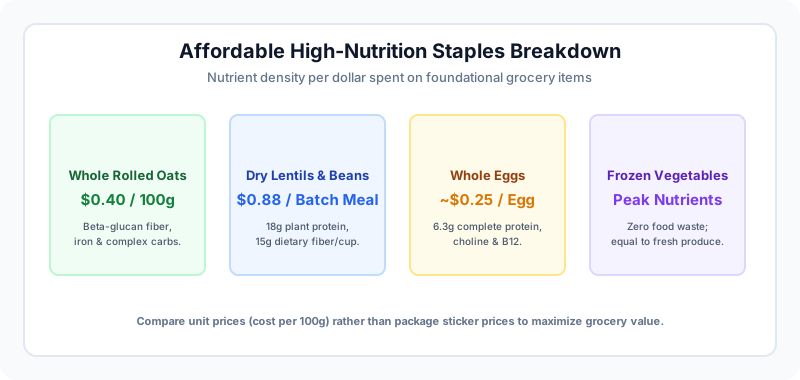
Start with these five habits:
- Plan a few repeatable meals. You don't need seven completely different dinners.
- Choose affordable protein sources. Eggs, beans, lentils, canned fish, and suitable sale-priced meats can help.
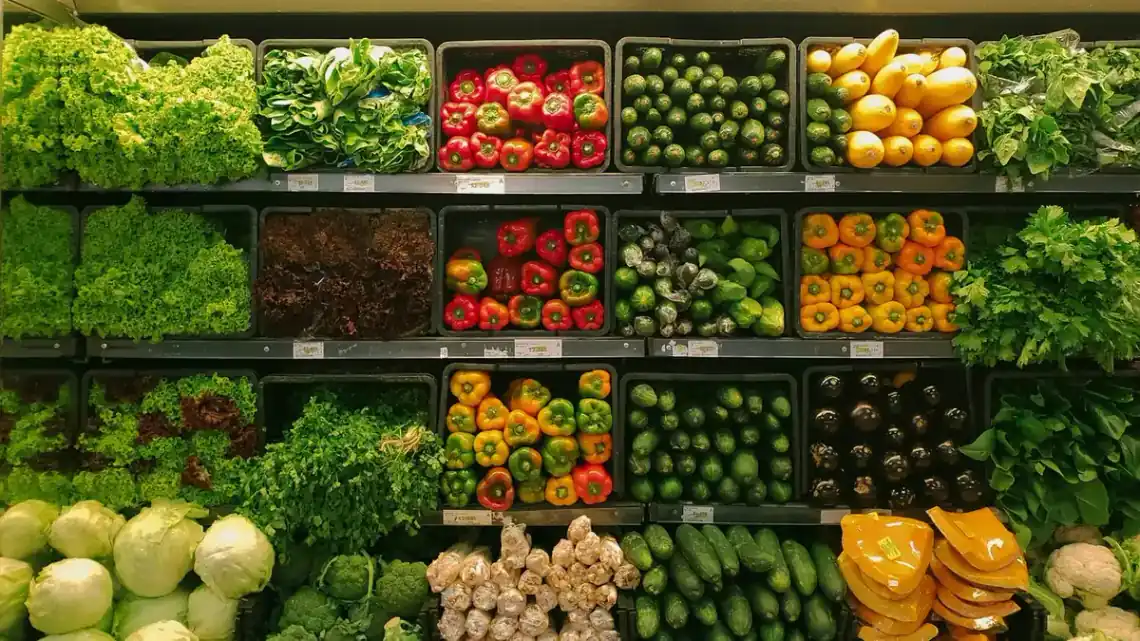
- Buy a mixture of fresh, frozen, and canned produce. Choose based on price, quality, and how quickly you'll use it.
- Compare unit prices. A cheaper-looking package isn't always cheaper per ounce or kilogram.
- Prevent food waste. Use perishable ingredients first and freeze extra portions promptly.
The USDA recommends planning meals, comparing prices, and preparing nutritious meals at home as practical approaches to eating well with limited money.
You don't need to follow a perfect meal plan. Small changes to the foods you already buy can make a useful difference.
Affordable Healthy Grocery List: What Should You Buy?
If you're unsure where to start, use this grocery list as a foundation.
You don't need every item every week. Choose the foods available at good prices in your area and the ones your household actually enjoys.
Budget Grocery List by Food Group
Category | Affordable Foods | Why They're Useful |
Protein | Eggs, dried lentils, beans, canned tuna, chicken on sale, tofu | Protein for body maintenance and meals |
Grains | Oats, rice, whole-wheat bread, pasta, barley | Carbohydrates for energy; some provide fiber |
Vegetables | Carrots, cabbage, potatoes, onions, frozen mixed vegetables | Fiber, vitamins, minerals, and meal volume |
Fruits | Bananas, apples, oranges, seasonal fruit, frozen fruit | Fiber and important nutrients |
Dairy or alternatives | Plain yogurt, milk, fortified soy milk | Protein and, depending on the product, calcium and vitamin D |
Healthy fats | Peanut butter, unsalted peanuts, cooking oils | Energy and beneficial fats |
Flavor essentials | Garlic, dried herbs, cumin, chili, vinegar, lemons | Flavor without relying on costly sauces |
Which Foods Give You the Most Nutrition for Your Money?
There isn't one food that is always the cheapest or healthiest.
Prices depend on where you live, the store you use, package size, availability, and current sales.
However, several foods are especially versatile.
Oats: Useful for breakfast, overnight oats, and homemade snacks. They provide carbohydrates and fiber.
Lentils: Can be used in soups, curries, rice dishes, and stews. They provide plant protein and fiber.
Eggs: Convenient for breakfast, sandwiches, and quick dinners. Their value depends on local egg prices.
Beans: Suitable for soups, salads, wraps, and rice bowls. Dried beans are often economical, while canned beans save preparation time.
Frozen vegetables: Convenient for stir-fries, soups, and side dishes, especially when fresh vegetables are expensive or likely to spoil.
Potatoes: Versatile, filling, and useful in many low-cost meals.
The best budget foods are usually the ones you can use in several different meals before they spoil.
A Practical One-Week Grocery List for One Adult
Here's an example of how to shop for approximately one week without buying dozens of different ingredients.
This list is illustrative, not a nutritionally complete prescription or a verified grocery basket for a particular location.
Grocery Item | Example Quantity | How You'll Use It |
Rolled oats | 500 g | Breakfasts |
Eggs | 6 | Breakfasts and quick meals |
Dry lentils | 500 g | Soup, stew, and rice bowls |
Dry rice | 500 g | Lunches and dinners |
Chicken or tofu | 500–700 g | Several main meals |
Plain yogurt | 750 g | Breakfasts, sauces, and snacks |
Milk or fortified soy milk | 1 liter | Oats and beverages |
Frozen mixed vegetables | 1 kg | Stir-fries, soup, and sides |
Carrots | 500 g | Snacks, soup, and meals |
Cabbage | 1 small head | Slaw and stir-fries |
Onions | 3–4 | Flavor base |
Bananas | 5–7 | Breakfast and snacks |
Apples or seasonal fruit | 3–4 | Snacks |
Peanut butter or peanuts | 1 small package | Snacks and meals |
Cooking oil, herbs, and spices | Small amounts | Meal preparation |
Adjust quantities based on appetite, body size, activity level, and food already in your pantry.
For instance, if you already have rice and lentils, don't buy more simply because they appear on a list. Use what you own and spend the money on foods you're missing.
What If You Have Only a Very Small Grocery Budget?
Start with the essentials:
- One inexpensive staple grain
- One or two affordable protein sources
- A few inexpensive vegetables
- Seasonal fruit when affordable
- Basic cooking ingredients
You can add variety as your budget allows.
A simple lentil-and-rice meal with vegetables can be nutritious and satisfying without expensive ingredients.
If your food budget isn't enough to cover adequate meals, nutrition assistance, community food programs, and local food banks may be important resources. Careful shopping can't always compensate for insufficient income or unusually high food prices.
Seven-Day Healthy Eating on a Budget Meal Plan
This meal plan shows how to use overlapping ingredients across several days.
It's designed to reduce waste and repeated grocery purchases rather than provide an exact calorie or nutrient target.
Day | Breakfast | Lunch | Dinner |
Monday | Oatmeal with banana | Lentil and vegetable soup | Chicken or tofu with rice and vegetables |
Tuesday | Eggs and toast | Leftover chicken or tofu rice bowl | Bean and vegetable pasta |
Wednesday | Yogurt with oats and fruit | Lentil soup with bread | Vegetable omelet with potatoes |
Thursday | Peanut butter toast and banana | Bean and rice bowl | Chicken or tofu vegetable stir-fry |
Friday | Oatmeal with fruit | Leftover stir-fry or frozen prepared portion | Lentil curry with rice |
Saturday | Eggs with vegetables | Bean and cabbage wrap | Baked potatoes with beans and yogurt |
Sunday | Yogurt, oats, and banana | Vegetable and lentil bowl | Simple homemade vegetable pasta |
Add snacks, fluids, and larger portions as needed to meet your nutritional requirements. Choose fortified dairy alternatives or other foods to meet relevant nutrient needs.
Why This Plan Can Save Money
Notice that the same ingredients appear in different meals.
Rice becomes a side dish, a vegetable bowl, and part of a lentil curry.
Lentils become soup, curry, and a filling for bowls.
Vegetables go into stir-fries, soups, omelets, and pasta.
This reduces the number of ingredients you have to purchase and helps prevent food from being forgotten in the refrigerator.
Important food-safety note: Cooked leftovers generally belong in the refrigerator for no longer than 3–4 days when handled properly. Freeze later-week portions promptly rather than keeping a Sunday-cooked batch refrigerated all week.
For detailed storage and reheating instructions, see our Meal Prep Food Safety Guide.
Ten Cheap and Healthy Meal Ideas You Can Make at Home
You don't need complicated recipes to prepare affordable meals.
Here are ten ideas using common ingredients.
1. Lentil and Vegetable Soup
Ingredients: Lentils, onion, carrots, tomatoes, garlic, and spices.
Cook the lentils with vegetables and enough water or unsalted broth to make a soup. Season with cumin, pepper, and herbs.
Why it's useful: Lentils provide plant-based protein and fiber. The recipe is easy to make in batches.
2. Egg and Vegetable Fried Rice
Ingredients: Cooked rice, eggs, frozen mixed vegetables, a small amount of oil, and seasonings.
Sauté the vegetables, add eggs, then stir in cooked rice.
Budget tip: Use safely refrigerated leftover rice. Don't leave cooked rice at room temperature for extended periods.
3. Bean and Potato Bowls
Ingredients: Potatoes, cooked beans, yogurt, cabbage, and seasonings.
Bake or boil the potatoes. Add warmed beans and vegetables, then finish with a spoonful of yogurt-based sauce.
This is an easy way to combine inexpensive carbohydrates with protein, fiber, and vegetables.
4. Peanut Butter Banana Oatmeal
Ingredients: Rolled oats, milk or water, banana, and peanut butter.
Cook the oats and top with sliced banana and peanut butter.
It's quick, filling, and uses ingredients that work in several breakfasts.
5. Chicken and Vegetable Rice Bowls
Ingredients: Chicken, rice, vegetables, and spices.
Cook chicken thoroughly and serve with rice and vegetables.
If chicken is expensive, use a smaller amount alongside beans or lentils.
6. Chickpea and Tomato Curry
Ingredients: Chickpeas, tomatoes, onion, garlic, cumin, and rice.
Simmer the chickpeas with tomatoes and seasonings, then serve over rice.
Dried chickpeas may cost less per cooked portion than canned versions, but they require soaking and cooking time.
7. Vegetable Omelet With Toast
Ingredients: Eggs, onions, spinach or cabbage, and bread.
Cook the vegetables, add beaten eggs, and serve with toast.
This can be a useful dinner when you're short on time.
8. Tuna and Bean Salad
Ingredients: Canned tuna, cooked beans, onion, lemon, and vegetables.
Mix the ingredients and season to taste.
Choose an appropriate canned fish variety and consider relevant mercury guidance, especially for children and people who are pregnant or breastfeeding.
9. Homemade Vegetable Pasta
Ingredients: Pasta, tomatoes, garlic, frozen vegetables, and a little olive oil.
Cook the pasta and prepare a simple tomato-and-vegetable sauce.
Add beans, tofu, or another affordable protein source if desired.
10. Baked Potatoes With Yogurt and Lentils
Ingredients: Potatoes, cooked lentils, plain yogurt, and herbs.
Bake the potatoes and top with seasoned lentils and yogurt.
It's a flexible meal you can adjust with whatever vegetables you already have.
How to Save Money on Groceries Without Buying Less Food
Saving money isn't only about choosing the cheapest product.
It's about getting good value from what you buy.
1. Compare Unit Prices, Not Just Package Prices
Suppose you're choosing between two bags of oats.
Product | Package Size | Illustrative Price | Cost per 100 g |
Oats A | 500 g | $2.50 | $0.50 |
Oats B | 1,000 g | $4.00 | $0.40 |
Oats B costs more at checkout, but less per 100 g.
If you use oats frequently and can store the larger package properly, it may be better value.
But buying the larger package isn't a saving if you can't afford the upfront price or won't use it.
Formula:
Cost per 100 g = Package price ÷ Package weight in grams × 100.
This method works for grains, beans, yogurt, nuts, and many other foods.
2. Buy Frozen Produce When It Makes Sense
Fresh vegetables can be excellent, but they aren't always the cheapest or most practical choice.
Frozen vegetables are often picked and processed quickly, helping preserve their nutritional value.
They can also reduce waste because you can use small amounts and keep the rest frozen.
Compare plain frozen vegetables with fresh options based on price per edible portion.
Avoid assuming frozen food is always cheaper; compare current prices.
3. Use Canned Foods Strategically
Canned beans, tomatoes, vegetables, and fish can save time.
Choose no-salt-added or lower-sodium varieties when appropriate.
For canned fruit, options packed in water or 100% juice can help limit added sugar.
If dried beans are considerably cheaper, they may be worth cooking in batches.
But canned beans can still be a sensible choice if they prevent food waste or replace a more expensive meal.
4. Choose Store Brands
Store-brand oats, rice, milk, yogurt, and beans may cost less than well-known brands.
Compare package size, ingredients, and nutrition information.
A higher price doesn't automatically mean greater nutritional value.
5. Plan Meals Around Sales
Instead of deciding on a recipe and buying every ingredient regardless of price, check what's available first.
For example:
If chicken is on sale, prepare chicken-and-vegetable meals.
If lentils and rice are affordable, plan bowls and soups.
If carrots and cabbage are inexpensive, use them in several dishes.
USDA MyPlate recommends planning purchases around your available budget and using a grocery list to avoid unnecessary spending.
6. Buy Seasonal Produce
Seasonal fruit and vegetables may be more affordable because local supply is greater.
However, the best deal depends on your location and current market conditions.
Don't feel obligated to buy a particular fruit because it's described as healthy online.
Choose what is affordable, available, and enjoyable.
7. Use Expensive Ingredients as Additions, Not Always the Main Ingredient
If meat is expensive, you can often stretch it by combining a smaller amount with beans, lentils, vegetables, or grains.
For example, instead of making a large portion of chicken for every family member, prepare a chicken-and-bean stew with vegetables.
This can provide variety and help distribute the cost of meat across more servings.
8. Avoid Paying Extra for Health Marketing
Products labeled "superfood," "fitness snack," "high protein," or "detox" aren't automatically better value.
A packaged protein snack may be convenient, but eggs, yogurt, beans, and other ordinary foods can also contribute protein.
Compare cost, portion size, and nutrition rather than choosing based only on packaging claims.
9. Buy Only What You Can Store and Use
Bulk purchases can reduce unit costs, but only if you can use the food before it spoils.
Good candidates for larger purchases often include:
- Rice
- Oats
- Dry lentils
- Dried beans
- Shelf-stable pasta
- Frozen vegetables
Highly perishable foods may require more careful planning.
10. Keep a Simple Food Inventory
Before shopping, spend two minutes checking:
- Refrigerator
- Freezer
- Pantry
Write down ingredients that need to be used soon.
Then plan a few meals around them.
This small habit can prevent duplicate purchases and reduce food waste.
Which Is Cheaper: Fresh, Frozen, or Canned Vegetables?
There's no universal winner.
Consider this comparison:
Factor | Fresh | Frozen | Canned |
Shelf life | Often shorter | Generally longer while frozen | Long before opening |
Preparation | May require washing and chopping | Often pre-cut | Usually ready to heat or serve |
Food waste | Can be high if unused | Often lower | Often lower before opening |
Nutrition | Can be highly nutritious | Can be highly nutritious | Can be highly nutritious |
What to check | Price and freshness | Added sauces or seasonings | Sodium, added sugars, drained weight |
The best option depends on the actual cost per usable serving.
For example, if a large bag of fresh spinach spoils before you finish it, frozen spinach may provide better value even if the shelf price looks similar.
How to Make a Healthy Grocery Budget That Actually Works
Instead of choosing an arbitrary food budget from someone else's meal plan, start with your household's real spending limit.
Step 1: Set the Amount You Can Spend
Decide how much money is available for groceries for the week.
Include food, and consider whether household essentials need a separate allowance.
Step 2: Check What You Already Have
If you already have rice, beans, oats, and spices, you can spend more of the current budget on fresh foods or protein sources.
Step 3: Plan Meals Before Making a List
Choose two or three breakfasts, lunches, and dinners that share ingredients.
This is often easier than planning 21 different meals.
Step 4: Estimate Costs Before Shopping
Use your local store's current prices, shopping app, or recent receipts.
Don't rely on generic online price lists that may be outdated or unrelated to your area.
Step 5: Leave Some Flexibility
Prices and stock availability can change.
If an ingredient is unexpectedly expensive, swap it for something similar.
For example:
- Chicken → eggs, lentils, tofu, or beans
- Fresh berries → bananas or seasonal fruit
- Fresh broccoli → frozen mixed vegetables
- Expensive cereal → plain oats
The substitution doesn't need to be nutritionally identical in every respect. The goal is to keep a varied, balanced diet across the week.
How to Calculate the Cost per Meal
Knowing the cost per meal can help you compare homemade food with convenience products or takeaway.
Cost per serving = Total recipe ingredient cost ÷ Number of servings
For example, imagine you prepare lentil soup using:
Ingredient | Illustrative Cost |
Lentils used | $1.20 |
Carrots | $0.60 |
Onion | $0.40 |
Tomatoes | $0.80 |
Oil and seasonings used | $0.50 |
Total | $3.50 |
If the recipe makes five portions:
$3.50 ÷ 5 = $0.70 per portion.
These prices are hypothetical and exclude cooking energy and other costs.
You should calculate ingredient costs using the quantity actually used—not necessarily the entire price of a package when only a small amount goes into the recipe.
This gives you a useful basis for comparing meals in your own location.
How to Reduce Food Waste and Save More Money
Food waste can quietly increase your grocery spending.
You may find that reducing waste saves more than switching every food to the cheapest brand.
Use the Most Perishable Foods First
Plan meals around fresh vegetables, ripe fruit, and other foods that won't keep as long.
Use frozen and pantry ingredients later in the week.
Freeze Extra Portions Promptly
If you prepare a large pot of soup, divide it into smaller portions.
Refrigerate the portions you'll eat within the next 3–4 days and freeze the rest promptly.
Store Produce Properly
Different fruits and vegetables have different storage needs.
For example, some fruits ripen well at room temperature, while leafy greens usually need refrigeration.
Learn how your frequently purchased produce should be stored.
Give Leftovers a Second Purpose
Leftover roasted vegetables can become part of an omelet.
Cooked chicken can become a sandwich or rice bowl.
Extra beans can go into soup.
However, using leftovers in a new recipe does not reset their original safe storage timeline.
Don't Confuse Waste Reduction With Ignoring Food Safety
Saving money should never require eating potentially unsafe food.
If perishable food has been mishandled or stored beyond safe limits, discard it.
For food safety, the USDA recommends refrigerating perishables promptly and using most cooked leftovers within 3–4 days.
Common Mistakes That Make Healthy Eating More Expensive
Mistake 1: Buying Too Many Different Ingredients
A complicated meal plan may require numerous sauces, vegetables, and specialty products.
Better approach: Choose a few meals that share ingredients.
Mistake 2: Assuming Healthy Food Must Be Organic
Organic food can be a personal preference, but conventionally grown produce can also be nutritious.
Better approach: Choose fruits and vegetables you can afford and enjoy.
Mistake 3: Buying Fresh Produce Without a Plan
Even nutritious food becomes expensive when it spoils unused.
Better approach: Mix fresh, frozen, and canned options based on your schedule.
Mistake 4: Ignoring Portion Costs
A large package may appear expensive even when it costs less per serving.
Better approach: Compare unit prices, but only buy quantities you can use.
Mistake 5: Relying on Expensive Snack Products
Prepackaged bars and specialty snacks can increase grocery spending.
Better approach: Consider fruit, yogurt, oats, eggs, nuts, or homemade snacks when appropriate.
Mistake 6: Skipping All Convenience Foods
Convenience isn't always wasteful.
Frozen vegetables, canned beans, and ready-to-eat plain yogurt can save time and help prevent more expensive last-minute purchases.
Better approach: Pay for convenience selectively when it meaningfully helps your routine.
Frequently Asked Questions
What are the cheapest healthy foods to buy?
Oats, dried lentils, rice, beans, eggs, potatoes, cabbage, carrots, bananas, and frozen vegetables are often economical choices. The cheapest options vary by location, season, and store.
Can you eat healthy on $50 a week?
It may be possible for some individuals in some locations, but $50 is not a universally sufficient food budget. Local prices, dietary needs, household size, food access, and pantry supplies make a substantial difference. Check actual grocery prices before committing to a fixed budget.
Is frozen food as healthy as fresh food?
Plain frozen fruits and vegetables can be highly nutritious. Nutrient content depends on the food, processing, storage, and cooking. Check for added sauces, sugar, or salt when relevant.
Is it cheaper to buy canned or dried beans?
Dried beans often cost less per cooked serving, while canned beans save preparation time and energy. Compare prices based on edible cooked portions rather than package weight alone.
What should I buy for healthy meals when I have almost no money?
Start with affordable staple grains, beans or lentils, an accessible protein source, and inexpensive vegetables. Use food already available at home. If your budget doesn't cover enough food, local nutrition assistance may be necessary.
How do I eat enough protein without spending too much?
Compare the cost and protein content of eggs, beans, lentils, milk, yogurt, tofu, and meats on sale. Combining a range of foods across meals can help meet daily protein needs without depending on costly supplements.
For additional options, see our Plant-Based Protein Sources Guide.
Are store-brand groceries less nutritious?
Not necessarily. Many store-brand foods have nutritional profiles comparable to name-brand products. Compare nutrition labels, ingredients, serving sizes, and prices.
How can I save money on groceries for a family?
Plan shared meals, use affordable staple ingredients, compare unit prices, prepare larger recipes when economical, and freeze suitable leftovers promptly. Adjust portions and food choices for different household members' nutritional needs.
Is eating healthy on a budget possible without meal prepping?
Yes. Simple meals such as eggs and toast, yogurt with oats, bean sandwiches, rice bowls, and quick vegetable dishes can reduce cooking time without requiring full-week meal prep.
What's the best budget-friendly healthy breakfast?
Oatmeal with fruit, eggs and toast, plain yogurt with oats, or peanut butter toast can all be affordable options depending on local prices and portion sizes.
How do I avoid getting bored with cheap healthy meals?
Use the same affordable ingredients with different flavors and cooking methods. For example, lentils can become soup, curry, salad, or a rice-bowl topping.
Final Thoughts: Healthy Eating Doesn't Have to Be Expensive
Eating well on a limited budget is less about buying the cheapest possible food and more about choosing ingredients that offer good value, work in several meals, and don't go to waste.
Start with familiar staples.
Choose affordable protein sources such as lentils, eggs, beans, or whatever is reasonably priced in your area. Add vegetables and fruit in the forms that fit your budget. Compare unit prices and plan meals around what you already have.
You don't need a completely different menu every day.
You don't need premium health-food brands.
And you don't need to get every purchasing decision perfectly right.
The most useful budget meal plan is one that provides enough nourishing food, fits your finances, and is realistic to follow.
Begin with a few changes you can maintain. Over time, those decisions can help you shop more confidently, waste less food, and build nutritious meals without unnecessary expense.