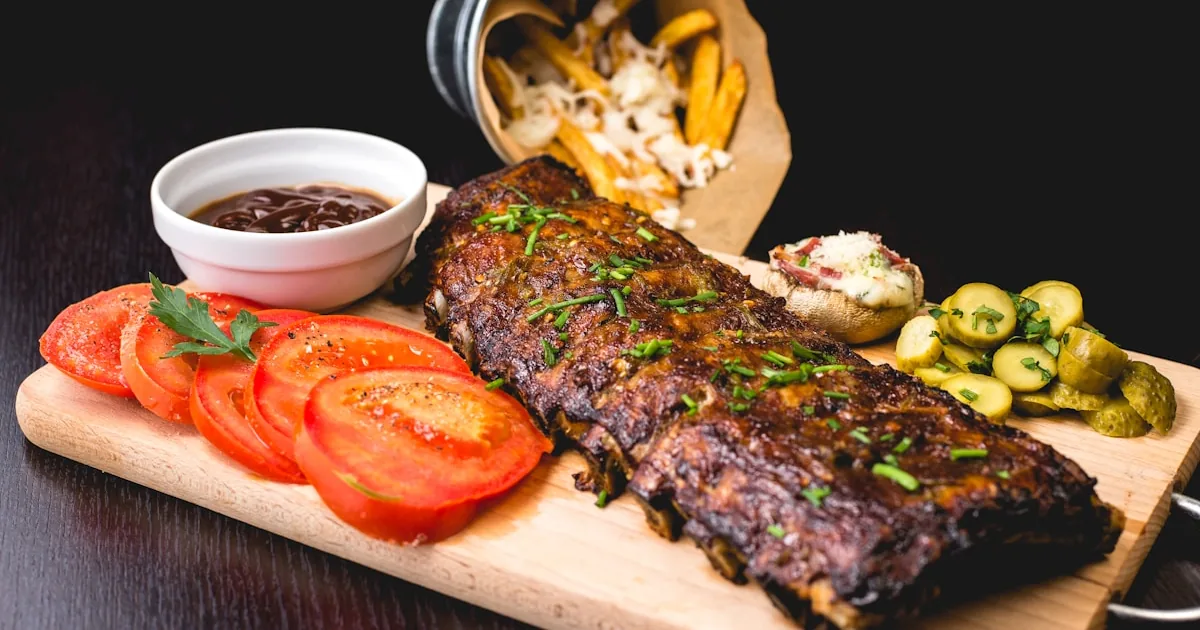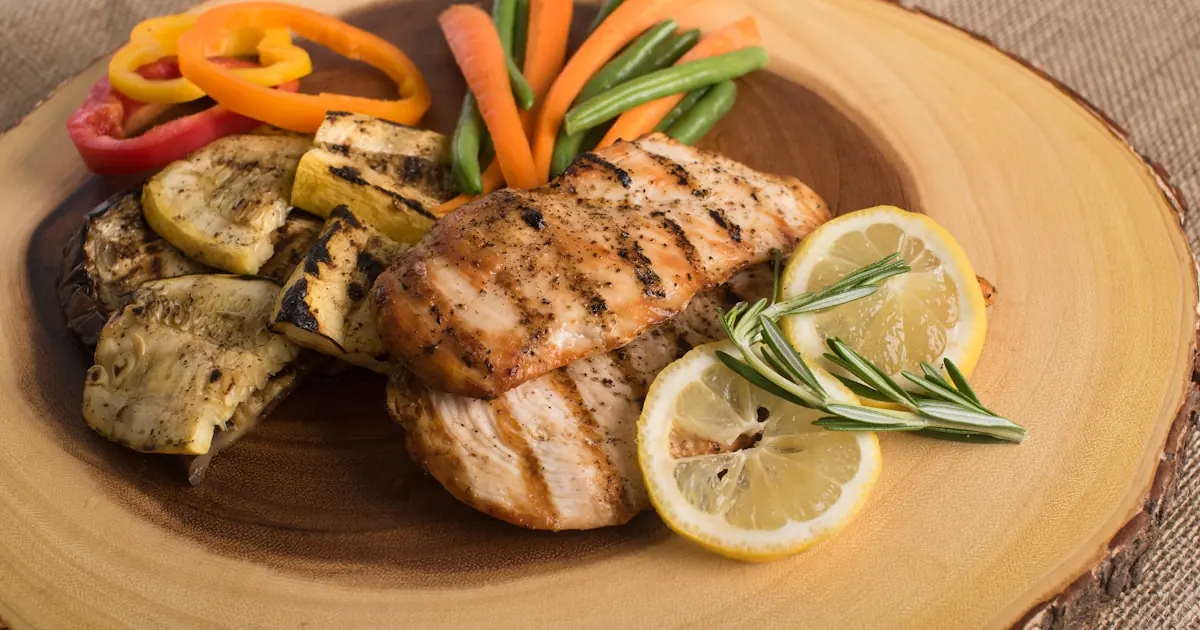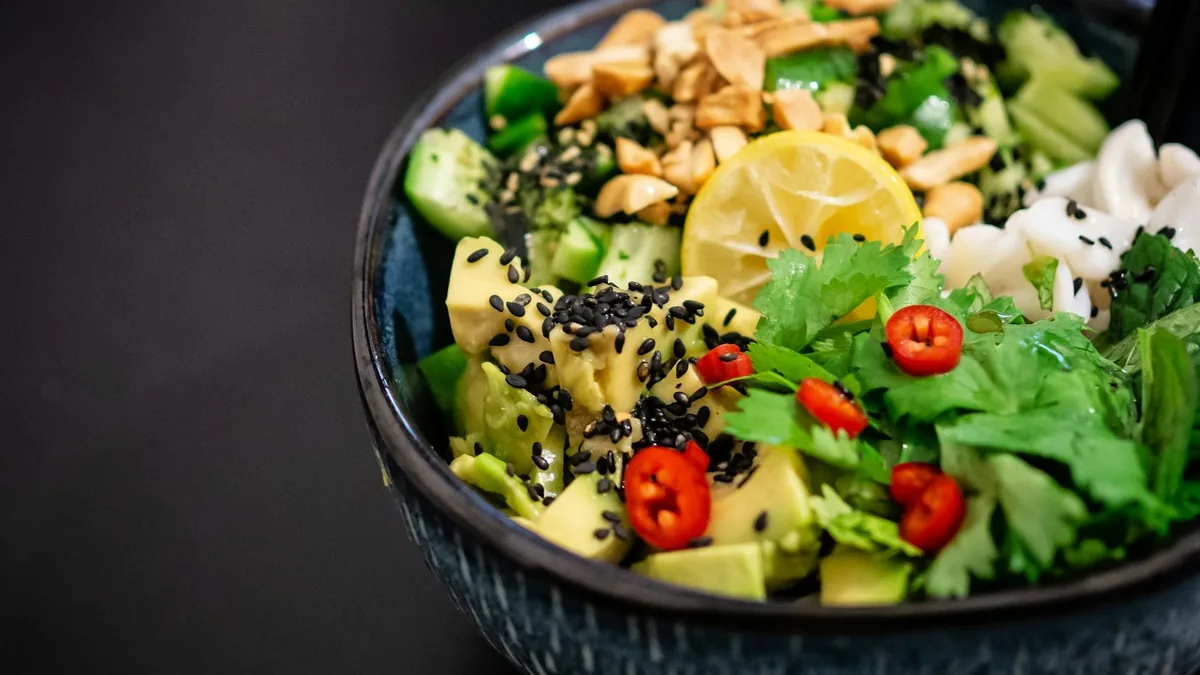
Eating more protein does not have to mean living on chicken breast, drinking protein shakes all day, or completely changing the way you eat.
A simpler approach is to include a reliable source of protein at each meal and snack. Eggs at breakfast, Greek yogurt with fruit, beans in a salad, chicken or tofu at lunch, and fish or lentils at dinner can quickly add more protein to your day without making meals complicated.
Protein is an essential macronutrient your body uses to build and maintain muscles, tissues, enzymes, hormones, and many other important structures. The best approach is not simply to chase the highest protein number. It is to choose nutritious protein-rich foods and spread them throughout a balanced diet.
This guide explains how to eat more protein every day, with realistic high-protein meal ideas you can use for breakfast, lunch, dinner, and snacks.
The Simple Answer: How Can You Eat More Protein Every Day?
To increase your daily protein intake:
- Include a protein source with every main meal.
- Make breakfast more protein-focused.
- Replace low-protein snacks with protein-rich options.
- Add beans, lentils, eggs, dairy, tofu, fish, poultry, nuts, or seeds to meals you already eat.
- Prepare a few protein foods in advance.
- Build meals around protein instead of adding it as an afterthought.
- Choose whole-food protein sources most of the time.
- Use protein powder only when it genuinely makes eating enough protein more convenient.
You do not need to do all of these at once. Even one or two small changes can make a noticeable difference to your daily protein intake.
Why Is Protein Important?
Protein is made from smaller compounds called amino acids. Your body uses these amino acids to maintain and repair tissues and perform many essential functions.
Protein contributes to:
- Growth and maintenance of muscle
- Tissue repair
- Production of enzymes and hormones
- Normal immune function
- Maintenance of skin, hair, and other body tissues
- Satiety after meals
Protein also tends to make meals more satisfying, which is one reason protein-rich foods are commonly included in balanced eating patterns.
However, protein should not replace vegetables, fruit, whole grains, healthy fats, or other nutrient-rich foods. It works best as one part of an overall balanced diet.
How Much Protein Do You Need?
Protein needs are not the same for everyone.
For generally healthy adults, the National Academy of Medicine's minimum recommended intake is about 0.8 grams of protein per kilogram of body weight per day. Individual requirements can vary depending on age, body size, physical activity, pregnancy, health conditions, and fitness goals.
For example:
Body Weight | 0.8 g/kg Example |
50 kg | 40 g protein/day |
60 kg | 48 g protein/day |
70 kg | 56 g protein/day |
80 kg | 64 g protein/day |
90 kg | 72 g protein/day |
These numbers illustrate the basic minimum calculation rather than an ideal target for every person.
Someone who exercises frequently, is trying to build or preserve muscle, is older, or has specific medical or nutritional needs may have different requirements.
If you want a personalized estimate, use a protein intake calculator based on your body weight, activity level, and goal.
1. Start by Adding Protein to Breakfast
Breakfast is one of the easiest places to increase protein.

Many common breakfasts are built mostly around carbohydrates. Toast, cereal, pastries, juice, or fruit can fit into a balanced diet, but eating them alone may provide relatively little protein.
Instead of completely changing your breakfast, add a protein-rich food to it.
Easy high-protein breakfast ideas
Try:
- Eggs with whole-grain toast and vegetables
- Greek yogurt with berries and nuts
- Cottage cheese with fruit
- Oatmeal made with milk and topped with Greek yogurt
- Egg and vegetable wrap
- Tofu scramble with whole-grain toast
- Smoothie made with milk, yogurt, or a suitable protein source
- Overnight oats with yogurt, milk, and seeds
A useful rule is:
Choose your protein first, then build the rest of breakfast around it.
For example, instead of asking, “What cereal should I eat?” start with “What will my protein source be?” Then add fruit, whole grains, or healthy fats.
2. Build Lunch Around a Protein Source
Lunch can easily become a low-protein meal when it consists mainly of bread, noodles, rice, vegetables, or a small salad.
You do not need to remove these foods. Simply give protein a more visible role.
Simple high-protein lunch ideas
Consider:
- Grilled chicken and vegetable wrap
- Tuna and bean salad
- Lentil soup with whole-grain bread
- Chicken and rice bowl with vegetables
- Chickpea salad with yogurt-based dressing
- Turkey sandwich with vegetables
- Tofu and vegetable grain bowl
- Egg and avocado sandwich
- Salmon salad bowl
- Black bean and rice bowl
A balanced lunch might contain:
Protein + vegetables + a high-quality carbohydrate + healthy fat
For example:
Chicken + mixed vegetables + brown rice + olive oil dressing
This formula is easy to modify based on your preferences.
3. Make Protein the Foundation of Dinner
Dinner is often the easiest meal for getting protein because many traditional meals already include meat, fish, beans, lentils, eggs, or dairy.
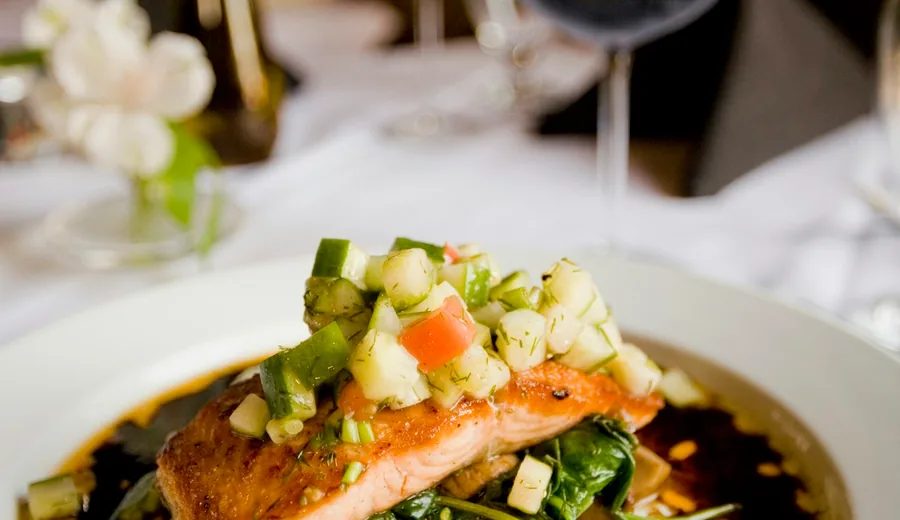
The goal is not necessarily to eat a huge portion of protein. Instead, choose a quality source and build a balanced plate around it.
High-protein dinner ideas
Try:
- Grilled salmon with potatoes and vegetables
- Chicken with rice and roasted vegetables
- Lentil curry with vegetables
- Turkey and bean chili
- Tofu stir-fry with vegetables and rice
- Chicken pasta with vegetables
- Bean burrito bowl
- Fish tacos with cabbage and salsa
- Chickpea curry with rice
- Egg-based vegetable frittata
Fish, poultry, beans, nuts, tofu, and eggs can all contribute protein. Harvard's Nutrition Source recommends considering the entire “protein package,” since protein foods also differ in their fiber, fats, sodium, and other nutrients.
4. Choose Higher-Protein Snacks
Snacks are another easy opportunity to increase protein without dramatically increasing meal size.
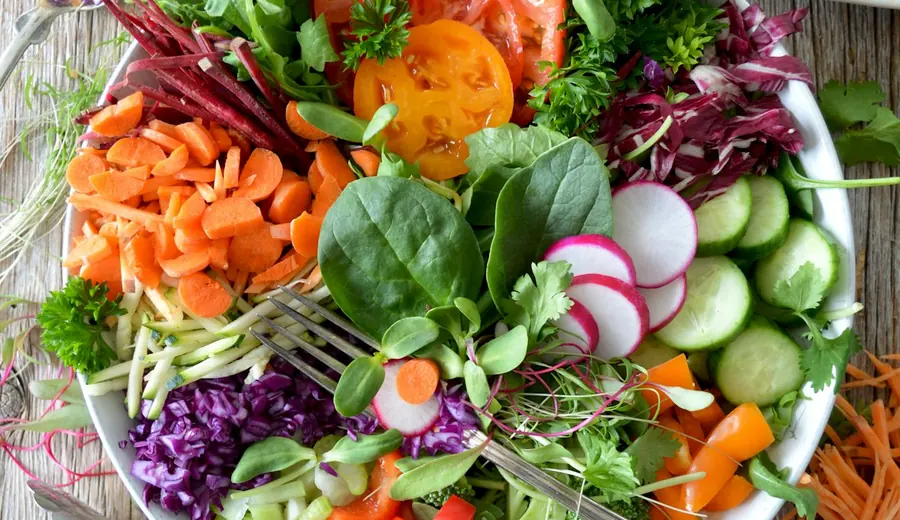
Instead of automatically choosing crackers, sweets, chips, or other mostly carbohydrate-based snacks, combine them with a protein source or replace them with a more protein-rich option.
Easy high-protein snack ideas
Good options include:
- Greek yogurt
- Cottage cheese
- Hard-boiled eggs
- Roasted chickpeas
- Edamame
- Nuts
- Nut butter with fruit
- Hummus with vegetables
- Cheese with fruit
- Yogurt smoothie
- Tuna with whole-grain crackers
- Milk or fortified soy milk
You do not need every snack to be high in protein. The goal is simply to identify places where adding protein makes sense.
5. Upgrade Meals You Already Eat
Increasing protein becomes much easier when you stop thinking of it as a completely separate diet.
Instead, take meals you already enjoy and make small upgrades.
If you eat oatmeal
Add:
- Milk
- Greek yogurt
- Nuts
- Seeds
- Nut butter
If you eat salads
Add:
- Chicken
- Tuna
- Salmon
- Eggs
- Chickpeas
- Lentils
- Tofu
- Edamame
If you eat pasta
Add:
- Chicken
- Turkey
- Tuna
- Lentils
- Beans
- Tofu
- A dairy-based sauce where appropriate
If you eat rice bowls
Add:
- Chicken
- Fish
- Eggs
- Tofu
- Beans
- Lentils
If you eat toast
Pair it with:
- Eggs
- Cottage cheese
- Greek yogurt
- Nut butter
- Beans
- Tuna
This approach is often more sustainable than trying to adopt an entirely new meal plan.
6. Keep Convenient Protein Foods at Home
One of the biggest barriers to eating more protein is not nutrition knowledge. It is convenience.
When you are hungry and nothing is prepared, you are likely to choose whatever is easiest.
Keeping simple protein foods available makes the better choice easier.
Consider keeping some of these foods on hand:
- Eggs
- Greek yogurt
- Cottage cheese
- Milk or fortified soy milk
- Canned tuna or salmon
- Canned beans
- Chickpeas
- Lentils
- Tofu
- Frozen fish
- Frozen edamame
- Nuts and seeds
- Nut butter
- Cooked chicken
- Hummus
You do not need all of them.
Choose five or six protein foods that you genuinely enjoy and can afford consistently.
7. Meal Prep Protein Before the Week Gets Busy
Meal preparation does not have to involve cooking seven complete meals every Sunday.
Preparing just one or two protein sources can save considerable time.
For example, you could prepare:
- A batch of grilled chicken
- Boiled eggs
- Cooked lentils
- Baked tofu
- Bean salad
- Homemade hummus
- Cooked turkey
- Greek yogurt portions
Then use those foods in different meals during the next few days.
Cooked chicken, for example, could become:
- A lunch wrap
- A rice bowl
- A salad
- A sandwich
- A pasta dish
The goal is flexibility rather than eating the exact same meal repeatedly.
8. Include More Plant-Based Protein
Eating more protein does not require eating more meat.
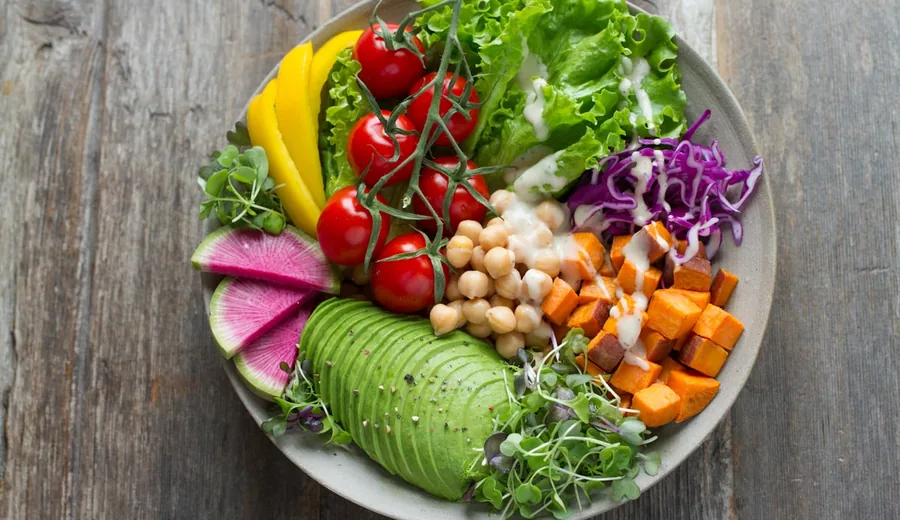
Many plant foods provide meaningful amounts of protein while also contributing nutrients such as fiber.
Useful plant-based protein foods include:
- Lentils
- Chickpeas
- Black beans
- Kidney beans
- Soybeans
- Edamame
- Tofu
- Tempeh
- Peas
- Nuts
- Seeds
- Quinoa
- Peanut butter and other nut butters
Harvard notes that people eating mostly plant-based protein can meet their amino-acid needs by consuming a varied diet containing different protein-rich plant foods.
A simple meal could be as basic as:
Lentils + rice + vegetables
or:
Tofu + vegetables + whole grains
Protein does not need to come from one single “perfect” food.
9. Add Protein Instead of Simply Eating More Food
If your goal is to increase protein, adding large amounts of extra food is not always necessary.
Sometimes you can make a simple substitution.
For example:
Instead of plain toast, try toast with eggs.
Instead of a fruit-only snack, pair fruit with Greek yogurt.
Instead of a plain vegetable salad, add chickpeas, chicken, tofu, or tuna.
Instead of cereal with water or juice, use milk or an appropriate fortified alternative.
Instead of plain rice and vegetables, add beans, eggs, chicken, fish, or tofu.
These small changes can increase protein while keeping your overall eating pattern familiar.
10. Spread Protein Across Your Day
Some people eat very little protein during breakfast and lunch, then try to consume most of it at dinner.
A more practical strategy is to include protein at several eating occasions.
For example:
Breakfast
Eggs and whole-grain toast
Lunch
Chicken and vegetable rice bowl
Snack
Greek yogurt with berries
Dinner
Salmon, potatoes, and vegetables
This approach may also feel easier than trying to fit a very large amount of protein into one meal.
A Simple High-Protein Day of Eating
Here is an example of what a protein-focused day could look like without relying on complicated recipes.
Breakfast
Greek yogurt breakfast bowl
Combine:
- Plain Greek yogurt
- Oats
- Berries
- Chopped nuts
- Cinnamon
Morning or afternoon snack
Apple with peanut butter
Pair sliced fruit with a small serving of nut butter.
Lunch
Chicken rice bowl
Combine:
- Grilled chicken
- Rice
- Mixed vegetables
- Beans
- Salsa or a simple dressing
Snack
Boiled eggs with vegetables
Pair eggs with cucumber, carrots, tomatoes, or another vegetable you enjoy.
Dinner
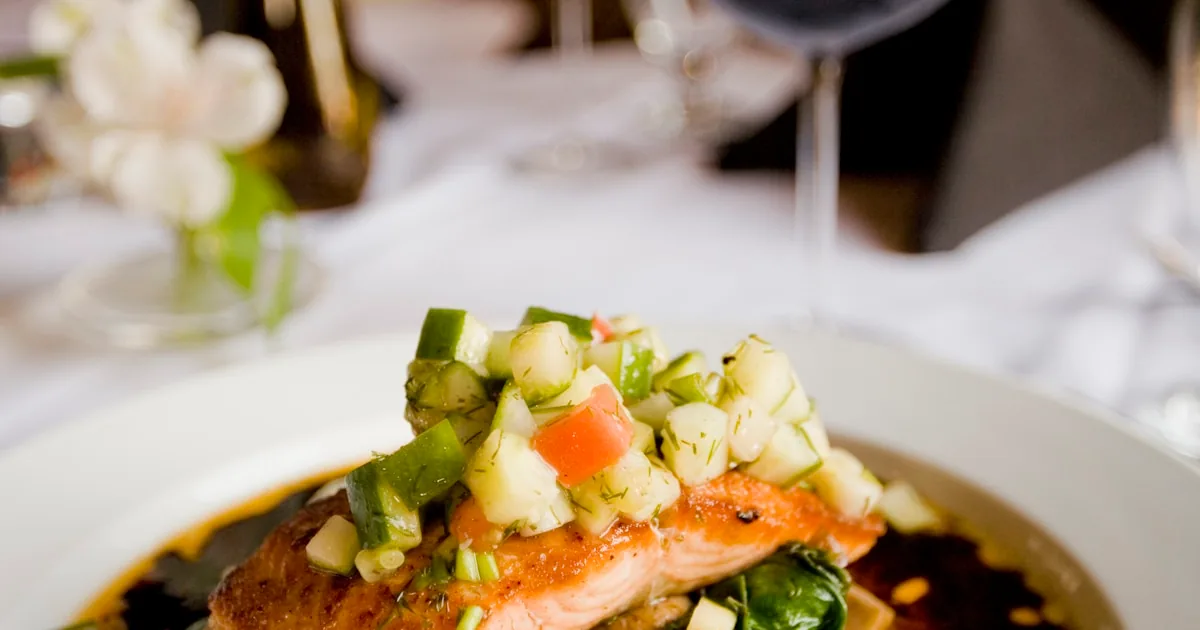
Salmon and vegetable plate
Serve salmon with:
- Potatoes or whole grains
- A generous portion of vegetables
- A simple salad
This is only an example. Your meals can be adjusted for culture, budget, preferences, allergies, calorie needs, and dietary pattern.
Budget-Friendly Ways to Eat More Protein
Eating more protein does not necessarily require expensive foods or supplements.
Some affordable protein choices include:
- Eggs
- Dried lentils
- Beans
- Chickpeas
- Milk
- Plain yogurt
- Canned tuna
- Peanut butter
- Peas
- Tofu
- Bulk legumes
Prices vary by location, so the most economical protein source will depend on where you live.
Buying dried beans and lentils in larger quantities can be particularly useful because they store well and can be used in soups, curries, salads, rice dishes, and stews.
Do You Need Protein Powder?
No. Most people do not need protein powder simply to eat a higher-protein diet.
Whole foods can provide protein along with vitamins, minerals, fiber, healthy fats, and other nutrients.
However, protein powder can be convenient for people who have difficulty meeting their protein needs through regular meals.
For example, it may be useful in:
- Smoothies
- Oatmeal
- Yogurt
- Post-workout meals
- Quick breakfasts
Protein powders vary considerably in ingredients. Some contain added sugars, sweeteners, vitamins, thickeners, or other ingredients, so checking the nutrition and ingredient labels is important.
Think of protein powder as a convenience food, not a requirement for healthy eating.
Animal Protein vs Plant Protein: Which Is Better?
Both animal and plant foods can contribute to your daily protein intake.
Common animal sources include:
- Fish
- Poultry
- Eggs
- Milk
- Yogurt
- Cottage cheese
- Lean meats
Plant sources include:
- Beans
- Lentils
- Chickpeas
- Soy foods
- Nuts
- Seeds
- Whole grains
Rather than judging a food only by how many grams of protein it contains, consider its overall nutritional profile.
For example, lentils provide protein along with substantial fiber, while fatty fish provides protein along with beneficial unsaturated fats.
Variety is usually a better strategy than relying on one protein food every day.
Common Mistakes When Trying to Eat More Protein
Relying only on protein shakes
Protein supplements can be convenient, but they do not need to replace ordinary foods.
Eating protein without vegetables or fiber-rich foods
A high-protein meal is not automatically a balanced meal.
Include vegetables, fruit, whole grains, legumes, and healthy fats as appropriate.
Thinking every food needs to be “high protein”
It does not.
Fruit does not need to become a protein food. Vegetables do not need to compete with chicken or tofu.
Different foods serve different nutritional roles.
Focusing only on the protein number
A food's overall nutritional profile matters too.
Consider fiber, saturated fat, sodium, added sugar, vitamins, minerals, and total dietary quality.
Increasing protein too aggressively
More is not automatically better.
Protein needs vary, and extremely high-protein diets are not necessary for most people.
Anyone with kidney disease or another medical condition that may affect protein requirements should discuss major dietary changes with an appropriate healthcare professional.
Quick Ways to Add More Protein to Any Meal
If you want an easy checklist, try one of these:
- Add an egg to breakfast.
- Add Greek yogurt to oats.
- Add beans to rice.
- Add chickpeas to salad.
- Add chicken to pasta.
- Add tofu to stir-fry.
- Add lentils to soup.
- Add milk to a smoothie.
- Add nuts or seeds to yogurt.
- Add hummus to a sandwich or wrap.
- Pair fruit with yogurt or nut butter.
- Keep boiled eggs ready in the refrigerator.
Small additions can be easier to maintain than a complete diet overhaul.
How to Build a Balanced High-Protein Meal
Use this simple framework:
1. Choose a protein
Examples:
Chicken, fish, eggs, beans, lentils, tofu, yogurt, or another protein-rich food.
2. Add vegetables or fruit
Aim for variety rather than eating the same produce every day.
3. Add a quality carbohydrate
Examples include:
- Potatoes
- Oats
- Brown rice
- Whole-grain bread
- Quinoa
- Other whole grains
4. Include healthy fats when appropriate
Examples include:
- Nuts
- Seeds
- Avocado
- Olive oil
You now have a meal that contains more than protein alone.
Frequently Asked Questions
The Bottom Line
Eating more protein does not require complicated recipes or an extreme high-protein diet.
The simplest strategy is to include a useful protein source at breakfast, lunch, dinner, and some snacks.
Start with foods you already enjoy. Add eggs to breakfast, beans to salads, yogurt to snacks, chicken or tofu to grain bowls, and fish or lentils to dinner.
Over time, these small changes can make meeting your protein needs much easier.
Focus on variety, overall diet quality, and consistency rather than chasing the highest possible protein intake. A balanced diet built around nutritious whole foods will usually be more useful than treating protein as the only nutrient that matters.