You have a workout planned in an hour, but you're getting hungry.
Should you eat a banana? Make a sandwich? Drink a protein shake? Or wait until your workout is finished?
And what about afterward? Do you really need protein within 30 minutes, or can you simply eat dinner later?
If you've ever searched for the best foods to eat before and after exercise, you've probably found plenty of conflicting advice.
Some people insist you must eat before training. Others prefer exercising on an empty stomach. You might also hear that missing your post-workout protein shake means losing the benefits of your session.
Fortunately, workout nutrition doesn't need to be complicated.
For most healthy adults, a practical approach is to eat enough throughout the day, include carbohydrates when you need exercise fuel, consume adequate protein for recovery, and choose meal timing that feels comfortable.
What works best depends on the type of workout, how long it lasts, when you last ate, and your individual goals.
This guide explains exactly what to consider, with simple food ideas for morning workouts, gym sessions, running, and evening exercise.
Quick Answer: What Should You Eat Before and After a Workout?
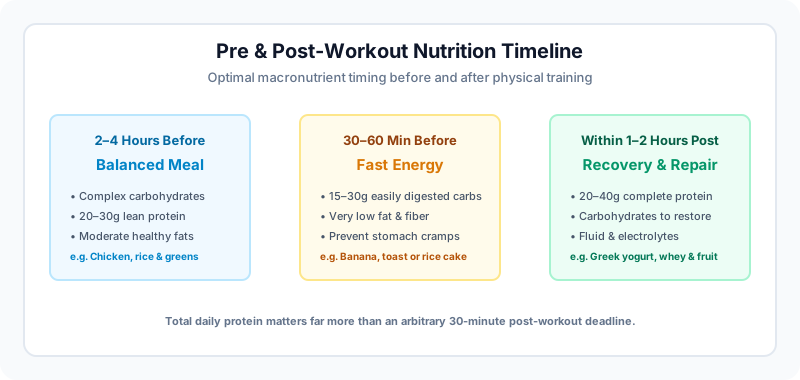
Before a workout: Choose carbohydrate-rich foods that are comfortable to digest. If you're eating a full meal, allow approximately 2–4 hours before exercising. If you're closer to your workout, a smaller snack may be more comfortable.
After a workout: Eat a meal or snack containing protein and, when appropriate, carbohydrates to support muscle repair and energy replenishment.
Here's a practical starting point:
When | What to Eat | Easy Examples |
2–4 hours before | Balanced meal with carbohydrates and some protein | Rice with chicken and vegetables |
1–2 hours before | Smaller meal or substantial snack | Yogurt with fruit and oats |
15–60 minutes before | Light, easy-to-digest carbohydrate if needed | Banana, toast, or rice cakes |
Within a few hours afterward | Protein-rich meal with carbohydrates as needed | Eggs and toast, or chicken and rice |
After a short, easy workout | Your usual balanced meal may be enough | Normal breakfast, lunch, or dinner |
These are flexible guidelines, not strict rules.
If you've already eaten a substantial meal and plan to take a 30-minute walk, you probably don't need an additional workout snack.
If you're preparing for a challenging 90-minute run, your fueling needs may be quite different.
1. What Should You Eat 2–4 Hours Before a Workout?
If you have a few hours before training, a regular balanced meal is usually a good starting point.
Include:
- Carbohydrates for energy
- Protein to support muscle maintenance and repair
- A moderate amount of fat
- Vegetables or fruit, depending on your preferences and digestive tolerance
The goal is to eat enough to feel energized without starting your workout uncomfortably full.
Example: Chicken, Rice, and Vegetables
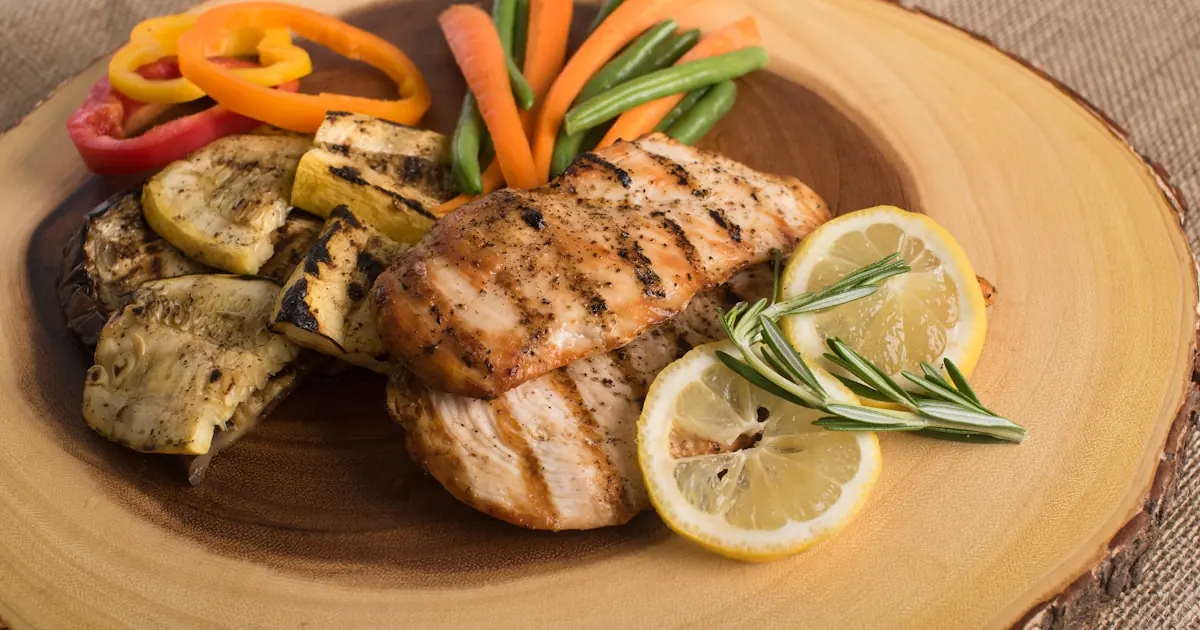
A simple pre-workout lunch might include grilled chicken, cooked rice, and vegetables with a little olive oil.
The rice provides carbohydrates.
The chicken supplies protein.
The vegetables contribute fiber, vitamins, and minerals.
You don't need a special sports nutrition product to get these benefits.
Other Good Pre-Workout Meals
Meal | Why It Can Work |
Oatmeal with yogurt and banana | Carbohydrates with some protein |
Chicken and rice | Carbohydrates and lean protein |
Turkey sandwich with fruit | Convenient mixed meal |
Scrambled eggs with toast | Protein and carbohydrates |
Pasta with tomato sauce and chicken | Useful before longer exercise when portions are appropriate |
Tofu with rice and vegetables | Plant-based option with protein and carbohydrates |
A useful tip: If you're prone to stomach discomfort during exercise, avoid unusually large meals or meals very high in fat or fiber shortly before training.
These foods can be nutritious, but they may digest more slowly and feel uncomfortable during vigorous movement.
2. What Should You Eat 30–60 Minutes Before a Workout?
This is one of the most common workout nutrition questions.
You're nearly ready to exercise, but you feel slightly hungry or low on energy.
Choose a small, familiar, easy-to-digest snack if you need one.
Carbohydrates are often useful here because they can provide readily available exercise fuel.
Try one of these options:
- A banana
- A slice of toast
- A few plain crackers
- Rice cakes
- A small portion of dried fruit
- Applesauce
- A small sports drink during appropriate prolonged or intense sessions
Is a Banana Good Before a Workout?
Yes, for many people.
A banana provides carbohydrates, is convenient to carry, and requires no preparation.
It can work particularly well when you don't have time for a larger meal.
However, a banana isn't a perfect solution for everyone.
If your workout is long or particularly demanding, a banana alone may not provide enough fuel.
If you ate a meal recently, you may not need a snack at all.
What If You Only Have 15 Minutes?
You don't need to force yourself to eat.
If you're hungry and tolerate food immediately before exercise, a small portion of easily digested carbohydrate may be comfortable.
If eating so close to exercise causes nausea or cramping, it may be better to fuel earlier.
The best pre-workout snack is one that supports your training without upsetting your stomach.
3. Should You Eat Before a Morning Workout?
Imagine your alarm goes off at 6:00 AM.
You want to exercise at 6:30 AM, but you haven't eaten since dinner.
Do you need breakfast first?
The answer depends on the workout and how you feel.
For a Short, Easy Morning Workout
If you're doing a gentle walk, stretching session, or short, low-intensity workout, you may feel comfortable exercising before breakfast.
You don't necessarily need a snack.
Drink water according to your needs and eat a regular breakfast afterward.
For a Challenging Morning Workout
If you're planning hard intervals, a demanding gym session, or a longer run, eating some carbohydrate beforehand may help you feel better and support performance.
Easy options include:
- Banana
- Toast with a little jam
- Small bowl of cereal
- Applesauce
- A familiar carbohydrate-based snack
If you regularly feel weak, dizzy, or unusually tired when exercising without food, reconsider your fueling routine.
People with diabetes, those using medications that can cause low blood glucose, and individuals with other medical conditions may require specific guidance about exercising after fasting.
Does Exercising Before Breakfast Burn More Fat?
Fasted exercise can increase the proportion of fat used as fuel during some workouts.
However, that doesn't automatically translate into greater long-term body-fat loss.
Your overall energy balance, activity, diet, and consistency matter more than whether every workout is done before breakfast.
Choose the approach that helps you train safely, comfortably, and consistently.
4. Are Carbs or Protein More Important Before a Workout?
Both nutrients serve important purposes, but they don't perform exactly the same jobs.
Carbohydrates: Fuel for Exercise
Your body uses carbohydrates to support many forms of physical activity.
Some carbohydrate is stored in muscles and the liver as glycogen.
During exercise, particularly prolonged or higher-intensity sessions, glycogen can be an important fuel source.
Carbohydrate-containing foods include:
- Bread
- Rice
- Pasta
- Oats
- Fruit
- Potatoes
- Cereals
You don't need to eat all of these foods before exercise.
Choose portions and options that fit the workout and your digestion.
Protein: Support for Muscle Repair and Adaptation
Protein supplies amino acids used to repair and build body tissues.
Consuming adequate protein throughout the day supports recovery and adaptation to resistance training.
Protein-rich foods include:
- Eggs
- Chicken
- Fish
- Yogurt
- Cottage cheese
- Beans
- Tofu
- Milk
You don't necessarily need a large protein serving immediately before exercise.
If you already had a protein-containing meal a few hours earlier, you may be adequately fueled.
What About Fat?
Dietary fat is important for overall health and supplies energy.
However, very fatty meals may slow digestion and feel uncomfortable if eaten shortly before demanding exercise.
That doesn't mean you should avoid healthy fats throughout the day.
It simply means meal composition matters when exercise is approaching.
Practical rule: Prioritize easily digested carbohydrates close to demanding workouts, and meet your protein and overall nutritional needs across the day.
5. What Should You Eat After a Workout?
Once your workout is finished, your body starts recovering.
Your muscles are adapting to the exercise you completed, and your body may need to replace fluid and energy.
A useful recovery meal often contains:
Protein to support muscle protein synthesis and repair.
Carbohydrates to help replenish glycogen, particularly after demanding exercise.
Fluids to replace water lost through sweating.
You don't need an expensive supplement or a complicated meal.
Ordinary food works well.
Ten Easy Post-Workout Meal Ideas
Meal or Snack | Main Nutritional Benefit |
Chicken with rice and vegetables | Protein and carbohydrates |
Greek yogurt with banana and oats | Convenient protein and carbohydrate combination |
Eggs with whole-grain toast | Protein and carbohydrates |
Tuna sandwich | Protein with bread-based carbohydrates |
Tofu with rice | Plant-based protein and carbohydrates |
Cottage cheese with fruit | Protein plus some carbohydrates |
Bean and rice bowl | Plant protein, carbohydrates, and fiber |
Milk smoothie with banana | Fluids, protein, and carbohydrates |
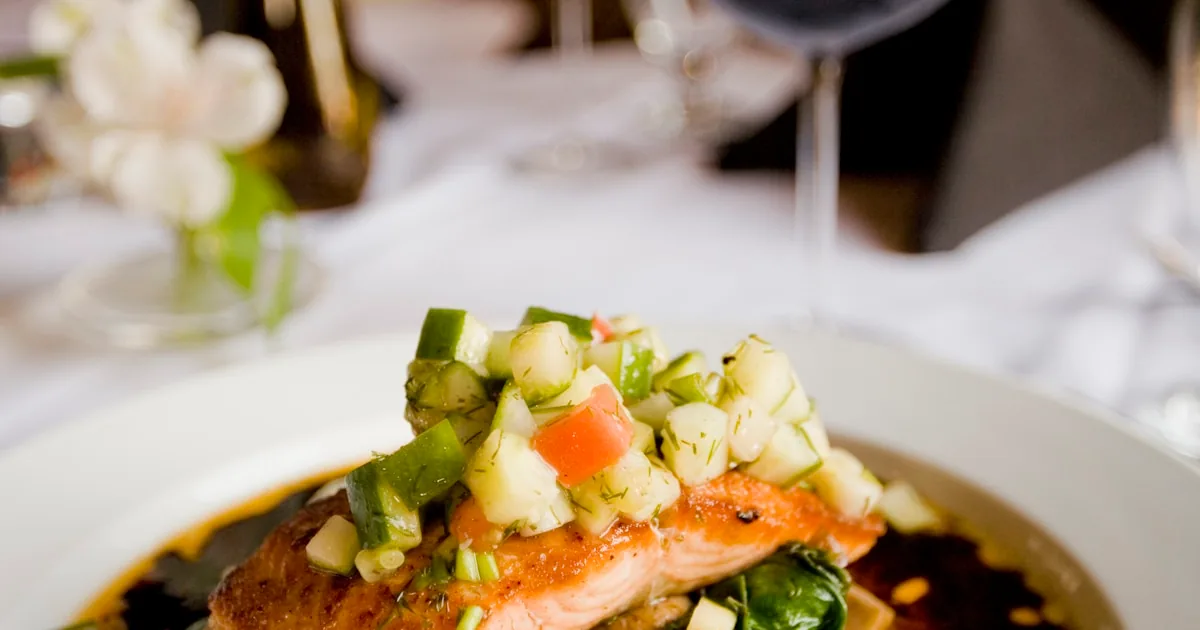
Salmon with potatoes | Protein, carbohydrates, and beneficial fats |
Turkey wrap with vegetables | Convenient mixed recovery meal |
Portion size depends on appetite, training demands, body size, and total daily food intake.
For a light workout, your normal next meal may be entirely sufficient.
For intense training or multiple workouts in one day, more deliberate recovery nutrition may be useful.
6. How Much Protein Do You Need After a Workout?
This is where workout nutrition often becomes unnecessarily complicated.
You may hear recommendations ranging from 10 grams to 60 grams or more of protein immediately after training.
But there's no single amount that is ideal for every person.
Research from the International Society of Sports Nutrition suggests that approximately 20–40 grams of high-quality protein per feeding is a useful general range for many exercising adults.
Body size, age, training intensity, and overall protein intake can affect needs.
What Does 20–40 Grams of Protein Look Like?
These are approximate examples:
Food | Illustrative Serving | Approximate Protein |
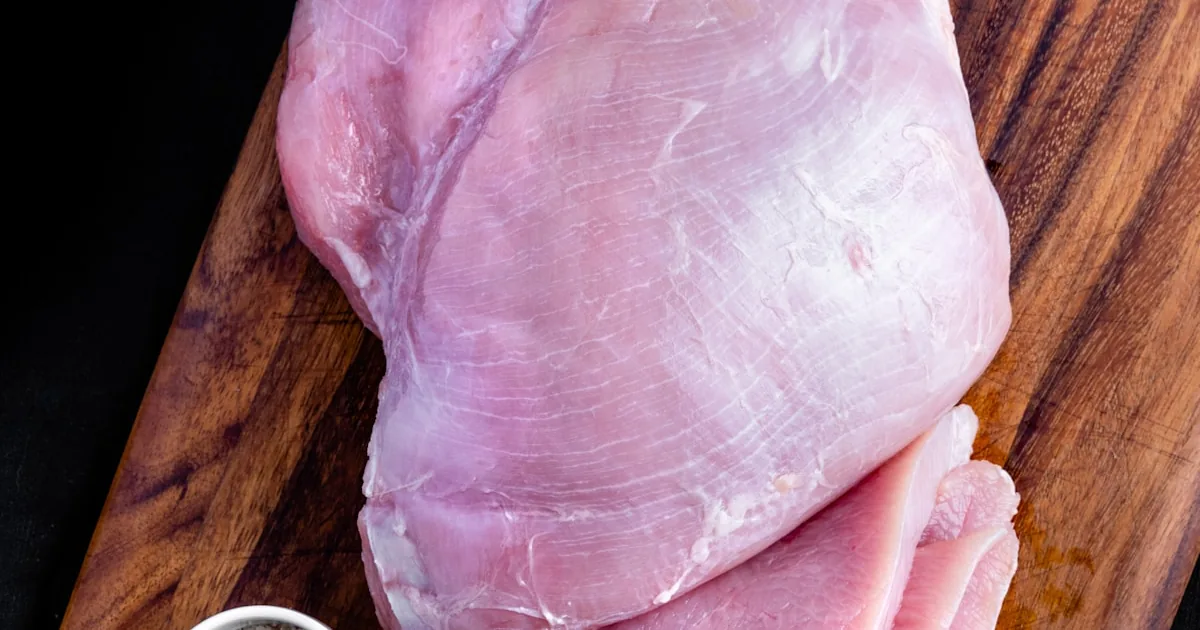
100 g | 30–31 g | |
Cooked salmon | 120 g | 25–27 g |
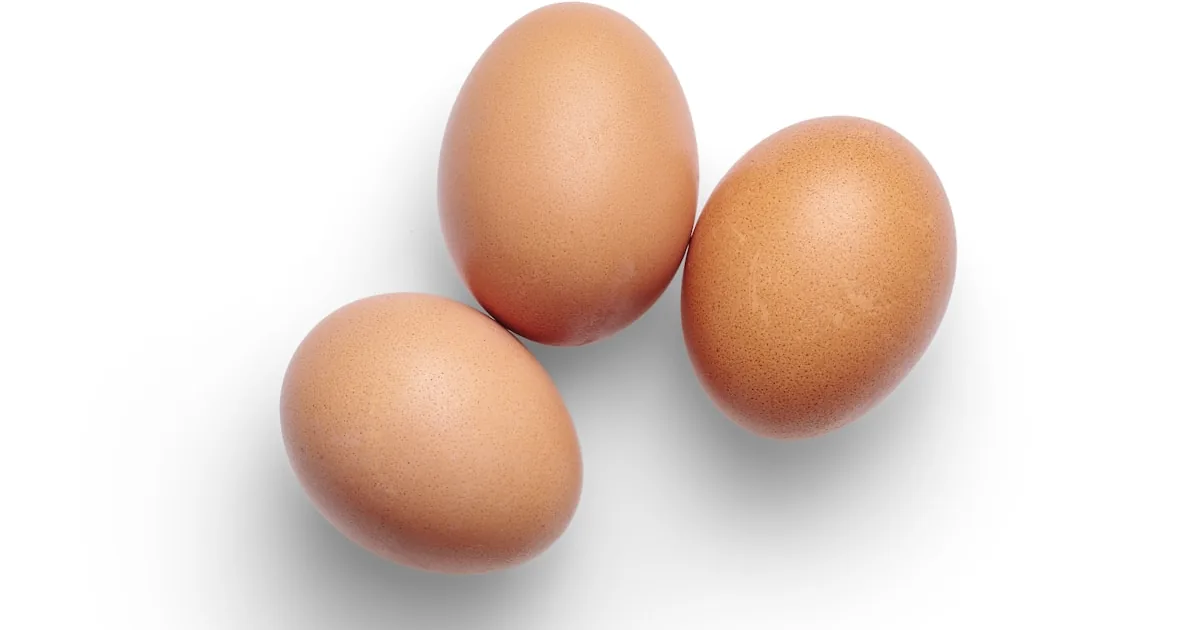
Two large eggs | 2 eggs | 12–13 g |
Plain Greek yogurt | 200 g | 16–22 g |
Cottage cheese | 200 g | 22–26 g |
Firm tofu | 150 g | 15–25 g |
Milk | 250 mL | 8–9 g |
Actual protein amounts vary by product and preparation.
Two eggs alone may provide less protein than a commonly used post-exercise target, but you can combine them with milk, yogurt, or another food.
You don't have to get all your protein from a shake.
Is More Protein Always Better?
Not necessarily.
A very large protein serving doesn't automatically provide proportionally greater muscle-building benefits.
Your total daily protein intake and distribution matter.
For healthy people doing regular resistance training, research commonly supports a total protein intake of approximately 1.4–2.0 g per kilogram of body weight per day, although requirements vary.
That broader daily target is more important than trying to make one post-workout meal perfect.
For a detailed explanation of dietary protein, see our How to Eat More Protein Guide.
7. Do You Really Need Protein Within 30 Minutes?
You've probably heard of the "anabolic window."
The common claim is that you must drink a protein shake immediately after exercise or you'll miss your opportunity to build muscle.
That claim is too rigid.
Resistance exercise increases muscle sensitivity to protein for an extended period.
Eating protein before or after exercise can support muscle protein synthesis.
For most people who exercise recreationally, getting enough protein throughout the day is more important than consuming it within an exact 30-minute window.
When Is Post-Workout Nutrition More Important?
Eating soon after exercise may be particularly useful if:
- You trained without eating beforehand.
- You haven't consumed protein for several hours.
- You have another training session later that day.
- You've completed prolonged or particularly demanding exercise.
- You're struggling to meet your daily food requirements.
If you ate a substantial meal containing protein one or two hours before your workout, you may not need another meal the moment you finish.
What If You Can't Eat for Two Hours?
For a typical recreational workout, that isn't automatically a problem.
You can usually eat your next balanced meal when it's convenient.
If you're training at a high level or doing multiple demanding sessions in one day, timing may matter more.
The takeaway: Aim for a practical recovery meal, not a race against the clock.
8. What Should You Eat After Cardio vs Weight Training?
Your recovery needs depend partly on the type and duration of exercise.
After Weight Training
Protein is important for muscle repair and adaptation.
Carbohydrates also help replenish the energy used during training.
A useful meal might be chicken and rice, tofu with potatoes, or yogurt with oats and fruit.
After a Short Cardio Workout
After a relaxed 30-minute cycling session or moderate walk, you probably don't need a specialized recovery drink.
Your next normal balanced meal may be enough.
After a Long Run or Intense Endurance Session
Carbohydrate replacement becomes more important as exercise duration and intensity increase.
If you're training again soon, consuming carbohydrates promptly can help restore glycogen.
Protein can also contribute to recovery.
A useful option might be a rice bowl with chicken, a substantial sandwich with fruit, or a milk-based smoothie alongside a carbohydrate-rich meal.
Do You Need to Eat During Exercise?
For many sessions lasting less than about an hour, additional food during the workout is unnecessary if you've eaten adequately beforehand.
For longer endurance activities, particularly beyond 60–90 minutes, consuming carbohydrates during exercise may improve performance.
The amount depends on duration, intensity, digestive tolerance, and training experience.
Sports nutrition guidance commonly uses approximately 30–60 g carbohydrate per hour for prolonged endurance exercise, with higher intakes sometimes appropriate for longer events after gut-training and individualized planning.
These strategies generally aren't needed for a typical short gym workout.
9. What Should You Eat Before and After a Workout for Weight Loss?
If your goal is weight management, you don't have to skip your pre-workout snack or avoid eating after exercise.
Fueling adequately can help you exercise comfortably and consistently.
Before Exercise
Choose food based on when you last ate and the workout you're planning.
For example:
- Banana before an early gym session
- Yogurt and fruit before a lunchtime workout
- A regular balanced meal several hours before evening exercise
After Exercise
Include protein and a reasonable portion of carbohydrates when appropriate.
For example, grilled chicken with vegetables and potatoes can be a satisfying meal.
The important consideration for weight loss is your overall dietary pattern and energy balance over time—not avoiding food during a particular time window.
If you want a fuller explanation, read our Calorie Deficit Guide.
Avoid treating exercise as something you must earn food through, or food as something you need to compensate for afterward.
10. What Should You Eat Before and After a Workout for Muscle Gain?
Building muscle requires appropriate resistance training, enough energy, adequate protein, and recovery.
A useful approach includes:
- Eating a balanced meal before training when practical
- Including carbohydrates to support demanding sessions
- Meeting protein needs throughout the day
- Consuming protein at regular meals
- Getting enough sleep and allowing recovery time
Simple Example
Before training: Rice with chicken or tofu and vegetables.
After training: Greek yogurt with oats and fruit, or a regular meal containing protein and carbohydrates.
Across the day: Include additional protein-rich meals and snacks appropriate for your needs.
Meal timing may support your routine, but it cannot replace progressive resistance training and sufficient overall nutrition.
Read our Beginner's Guide to Building Muscle for the broader training and recovery fundamentals.
11. What Should You Drink Before, During, and After Exercise?
Food isn't the only thing that matters.
Hydration supports performance, temperature regulation, and normal physiological function.
Before Your Workout
Drink fluids throughout the day rather than relying on one large drink immediately before training.
If you arrive at the gym thirsty, you may already need additional fluid.
During Your Workout
Water is often sufficient for shorter, moderate sessions.
Longer, hotter, or sweat-intensive workouts may require a more deliberate hydration plan and, in some cases, sodium and carbohydrates.
After Your Workout
Replace fluids according to thirst, sweat loss, environmental conditions, and your upcoming activity.
For most recreational exercisers, drinking water with meals is a practical starting point.
Avoid forcing excessive amounts of water, particularly during prolonged exercise, because overhydration can also be harmful.
People training for endurance events may benefit from an individualized hydration and electrolyte strategy.
12. Common Pre-Workout and Post-Workout Nutrition Mistakes
Mistake 1: Eating a Huge Meal Right Before Exercise
A large meal may cause nausea, bloating, or discomfort during demanding activity.
Try instead: Eat your substantial meal earlier or choose a smaller snack near your workout.
Mistake 2: Exercising Without Enough Fuel for a Demanding Session
Some people feel fine training without food. Others experience fatigue or poor performance.
Try instead: Experiment with a familiar carbohydrate snack before challenging workouts.
Mistake 3: Thinking Every Workout Requires a Protein Shake
Protein shakes are convenient, but they're not essential for everyone.
Try instead: Use ordinary protein-rich meals when they fit your routine.
Mistake 4: Avoiding Carbohydrates After Exercise
Carbohydrates help replenish glycogen, especially after prolonged or intense activity.
Try instead: Include rice, potatoes, fruit, oats, or another carbohydrate source when appropriate.
Mistake 5: Obsessing Over the 30-Minute Protein Window
Protein timing can matter in certain situations, but an exact 30-minute deadline is unnecessary for most recreational exercisers.
Try instead: Focus on meeting daily protein needs and eating a practical post-workout meal.
Mistake 6: Forgetting Fluids
Dehydration can affect comfort and performance.
Try instead: Maintain regular hydration and adjust for exercise conditions.
Mistake 7: Copying Someone Else's Meal Plan Exactly
Your needs may differ from those of a professional athlete, fitness influencer, or friend.
Try instead: Match your food intake to your workout, schedule, appetite, and individual needs.
Three Simple Workout Nutrition Schedules
Here's how to put the advice into practice.
Schedule A: Morning Gym Workout
Time | Example |
6:30 AM | Banana or toast if hungry |
7:00 AM | Workout |
8:15 AM | Eggs with toast and fruit, or yogurt with oats |
This can work when you have limited time before exercising.
Schedule B: Afternoon Workout
Time | Example |
12:30 PM | Chicken-and-rice lunch |
3:30 PM | Workout |
5:00 PM | Normal balanced meal or snack as needed |
If the earlier lunch was substantial and you feel comfortable, you may not need an additional pre-workout snack.
Schedule C: Evening Workout
Time | Example |
5:00 PM | Yogurt with fruit or a light sandwich |
6:30 PM | Workout |
8:00 PM | Dinner with protein, vegetables, and carbohydrates |
There's no need for a special recovery supplement when an ordinary dinner meets your needs.
These are examples, not prescribed meal schedules.
Frequently Asked Questions
What is the best food to eat 30 minutes before a workout?
A small, easily digested carbohydrate snack, such as a banana, toast, or applesauce, may be helpful. Choose something familiar that doesn't cause stomach discomfort.
Is it better to eat before or after a workout?
Both can be useful. Eating beforehand can support energy and performance, while eating afterward supports recovery. The importance of each depends on your workout and overall daily nutrition.
Can I work out on an empty stomach?
Some people tolerate short, moderate-intensity exercise without eating first. More demanding sessions may benefit from pre-exercise carbohydrate intake. People with certain medical conditions should seek individualized guidance.
How long should I wait after eating before exercising?
A substantial meal is often more comfortable approximately 2–4 hours before exercise. Smaller snacks may work within 30–90 minutes, depending on their composition and your digestive tolerance.
Should I eat protein or carbs after a workout?
Both can be beneficial. Protein supports muscle repair, while carbohydrates help replenish glycogen. Their relative importance depends on workout type, duration, and your daily intake.
How much protein should I eat after lifting weights?
Approximately 20–40 g of high-quality protein is a useful general range for many exercising adults. Individual requirements depend on factors such as body size, age, training demands, and total daily protein intake.
Is a banana enough after a workout?
A banana provides carbohydrates but little protein. It may be a useful part of recovery, but pairing it with yogurt, milk, tofu, or another protein source can make a more complete recovery snack.
Is milk good after exercise?
Milk provides fluids, protein, and carbohydrates, making it a convenient recovery option for people who tolerate dairy. The nutritional composition varies by type.
Do I need a protein shake after every gym session?
No. You can meet protein needs through ordinary foods. A shake can be convenient if you're unable to eat a protein-containing meal, but it isn't automatically superior.
What should I eat before a workout if I want to lose weight?
Choose a comfortable meal or snack that supports your activity and fits your overall nutritional needs. Skipping food before workouts is not required for weight loss.
Is peanut butter good before exercise?
It can fit into a pre-workout meal, particularly when you have time to digest it. Because it contains substantial fat, a large portion immediately before intense exercise may cause digestive discomfort for some people.
Should I avoid eating after a late-night workout?
Not necessarily. If you're hungry or need recovery nutrition, a balanced meal or snack can be appropriate. Consider your comfort and sleep rather than following a rule that eating late is inherently harmful.
Final Thoughts: Eat for Your Workout, Not the Clock
You don't need to plan every bite around your exercise schedule.
For most people, workout nutrition comes down to a few simple habits.
Eat enough throughout the day. Include carbohydrates when you need energy for demanding activity. Get adequate protein to support muscle recovery. Drink enough fluids, and choose foods that feel comfortable to digest. Many active individuals also utilize caffeinated beverages for performance; check our Caffeine Content in Drinks Guide for exact milligrams, daily limits, and timing considerations.
If you prefer a banana before the gym and a regular dinner afterward, that can work.
If you eat lunch a few hours before training and have yogurt afterward, that can work too.
The best workout nutrition routine is one you can maintain consistently while supporting your health, training, and recovery.