How much water should you drink every day?
There is no single amount that is right for everyone.
Your hydration needs can change based on your body size, activity level, climate, age, health, pregnancy or breastfeeding status, diet, and how much you sweat.
As a broad reference, the U.S. National Academies established an Adequate Intake for total water of about:
- 3.7 liters per day for adult men
- 2.7 liters per day for adult women
Importantly, these amounts include water from drinking water, other beverages, and food, not just glasses of plain water. Roughly one-fifth of total water intake in the underlying U.S. data came from food.
So you do not necessarily need to drink 3.7 liters of plain water every day.
This guide explains how much water you may need, how to estimate daily fluid needs by body weight, what increases your requirements, how to recognize dehydration, and whether drinking too much water can be dangerous.
Quick Answer: How Much Water Should You Drink a Day?
For many healthy adults, a useful starting reference is:
Group | Approximate Total Water Intake |
Adult women | About 2.7 L/day |
Adult men | About 3.7 L/day |
These figures represent total water from food and beverages, not plain water alone.
Mayo Clinic similarly notes that many healthy adults may obtain enough total fluid around 2.7 to 3.7 liters per day, while emphasizing that actual requirements vary considerably between individuals.
Your personal requirement may be higher or lower.
Why Does Your Body Need Water?
To understand how coffee, tea, and energy drinks factor into daily fluid balance, consult our research on caffeine beverage content and fluid hydration. Water is essential for normal body function.
It helps your body:
- Regulate temperature
- Produce sweat, saliva, and other body fluids
- Remove waste through urine and bowel movements
- Support digestion
- Transport nutrients
- Maintain fluid balance
- Support normal brain and physical function
CDC also notes that adequate water intake helps prevent dehydration and supports temperature regulation, joint cushioning, protection of sensitive tissues, and waste removal.
You continuously lose water through:
- Urine
- Sweat
- Breathing
- Bowel movements
That lost fluid needs to be replaced through food and beverages.
How Much Water Should You Drink Based on Your Weight?
Body weight can be used to create a rough hydration estimate, but it should not be treated as a precise medical requirement.
A commonly used practical guideline is approximately:
30–35 mL of fluid per kilogram of body weight per day
for generally healthy adults.
The British Dietetic Association describes 30–35 mL/kg/day as a rough fluid guide, while emphasizing that individual needs vary.
Example Formula
Body weight in kg × 30–35 mL
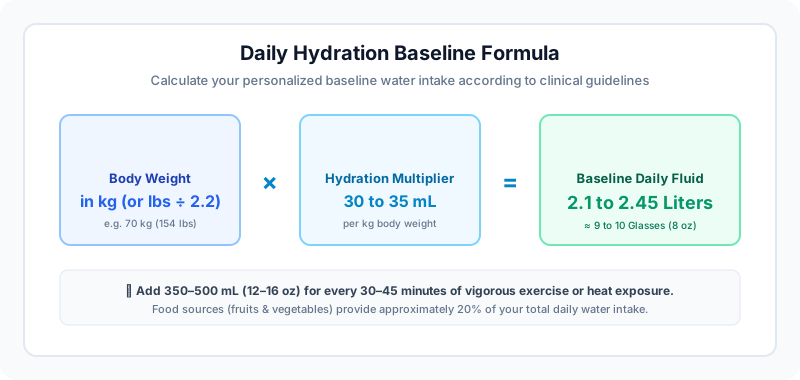
For a 70 kg adult:
70 × 30 = 2,100 mL
70 × 35 = 2,450 mL
That gives a rough range of:
2.1–2.45 liters per day
Again, this is only an estimate.
Daily Water Intake by Weight
Here is a simple reference table based on the 30–35 mL/kg guideline:
Body Weight | Approximate Fluid Range |
50 kg | 1.5–1.75 L/day |
60 kg | 1.8–2.1 L/day |
70 kg | 2.1–2.45 L/day |
80 kg | 2.4–2.8 L/day |
90 kg | 2.7–3.15 L/day |
100 kg | 3.0–3.5 L/day |
This should not automatically replace broader hydration guidance or medical advice.
Your real requirement may differ substantially if you:
- Exercise heavily
- Work outdoors
- Live in hot weather
- Sweat a lot
- Are pregnant
- Are breastfeeding
- Have fever, diarrhea, or vomiting
- Take certain medications
- Have kidney, heart, or liver disease
Think of body weight as one factor, not the entire calculation.
Water Intake by Weight vs Standard Recommendations
You may notice that a weight-based estimate sometimes gives a lower number than the 2.7- or 3.7-liter National Academies reference values.
That is partly because these recommendations are not identical measurements.
The National Academies figures refer to total water intake from food and beverages, and they were developed as Adequate Intake values from observed population intake rather than as a precise individual requirement.
A weight-based formula is better treated as a rough practical estimate.
Neither method can perfectly predict exactly how much one person needs.
Is Eight Glasses of Water a Day Enough?
The familiar “eight glasses a day” rule is simple, but it is not a universal scientific requirement.
If each glass contains about 8 fluid ounces, eight glasses equal roughly 1.9 liters.
That may be enough drinking fluid for some people, particularly when water from food and other beverages is included.
Others may require considerably more.
Mayo Clinic notes that eight glasses can be an easy goal to remember but that some people need less and others need more depending on factors such as activity, climate, body size, and health.
So rather than forcing everyone to drink exactly eight glasses, use it as a simple starting habit if it helps you stay hydrated.
Does Food Count Toward Your Daily Water Intake?
Yes.
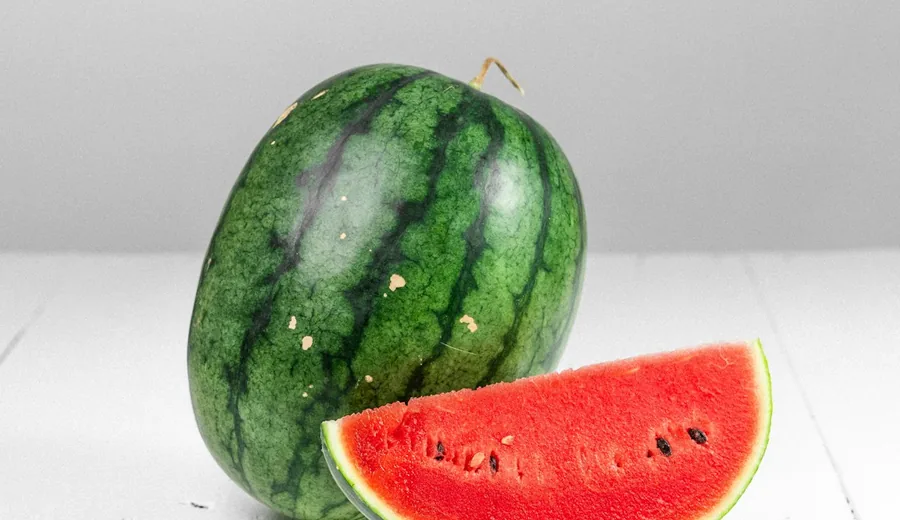
Your body receives water from food as well as beverages.
The National Academies data used to establish adult water intake guidance found that approximately 19% of total water intake came from food in adults studied.
Water-rich foods include:
- Watermelon
- Strawberries
- Oranges
- Melons
- Cucumber
- Tomatoes
- Lettuce
- Zucchini
- Soups
- Yogurt
This is why “total water intake” and “plain drinking water” are not the same thing.
Do Coffee and Tea Count as Water?
Yes.
Unsweetened coffee and tea contribute to your daily fluid intake.
The National Academies notes that beverages containing caffeine still contribute to total water intake, even though caffeine can have a mild temporary diuretic effect.
NHS guidance also counts tea and coffee toward daily fluid intake.
That does not mean unlimited caffeine is ideal.
Your intake should still account for:
- Sleep
- Heart rate
- Anxiety or jitteriness
- Pregnancy recommendations
- Medication interactions
- Individual caffeine sensitivity
Water remains the simplest everyday beverage.
Does Milk Count Toward Hydration?
Yes.
Milk contributes fluid and also provides nutrients such as protein and calcium.
Unsweetened fortified milk alternatives can contribute fluid as well.
CDC includes milk and fortified milk alternatives among beverages that can form part of a healthy hydration pattern.
What About Juice?
Fruit juice contributes fluid, but it can also contain significant calories and natural sugars while providing less fiber than whole fruit.
Water should generally remain your main hydration source.
Whole fruit can provide both fluid and fiber.
How Do You Know If You Are Drinking Enough?
There is no perfect at-home hydration test, but several signs can help.
You are more likely to be adequately hydrated if:
- You are not frequently thirsty
- Your urine is generally pale yellow
- You urinate regularly
- You feel normal during daily activities
Mayo Clinic notes that infrequent thirst and colorless or light-yellow urine can suggest adequate hydration.
NHS guidance similarly recommends drinking enough that urine is generally a clear, pale yellow color.
Urine color is not perfect because vitamins, foods, medications, and medical conditions can affect it.
Use it as a practical clue rather than a diagnostic test.
Signs You May Not Be Drinking Enough Water
Possible signs of dehydration include:
- Thirst
- Dark yellow urine
- Urinating less often
- Dry mouth
- Headache
- Fatigue
- Dizziness
- Light-headedness
More severe dehydration may involve:
- Confusion
- Significant weakness
- Very low urine output
- Rapid heartbeat
- Fainting
NHS guidance identifies thirst, dark or strong-smelling urine, reduced urination, dizziness, tiredness, and dry mouth among common dehydration signs.
Severe dehydration requires medical attention.
How Much Water Should You Drink When Exercising?
Exercise increases fluid requirements because you lose water through sweat.

The amount varies significantly based on:
- Exercise duration
- Exercise intensity
- Temperature
- Humidity
- Clothing
- Body size
- Individual sweat rate
Mayo Clinic recommends drinking additional water when activities cause sweating and replacing fluids before, during, and after exercise.
There is no single extra amount that works for every workout.
Someone walking gently for 30 minutes in cool weather has very different hydration requirements from someone running for two hours in hot conditions.
A More Personalized Exercise Hydration Method
For longer or sweat-heavy exercise, you can compare your body weight before and after training.
If you finish substantially lighter, you likely lost fluid through sweat.
Athletes can use this information over repeated sessions to understand their typical sweat losses.
Do not try to eliminate every small change in weight during exercise by drinking excessive amounts.
Both dehydration and overhydration can cause problems.
Do You Need Electrolytes?
Not everyone needs electrolyte drinks.
For normal daily activities and short workouts, water and a balanced diet are usually sufficient for many healthy people.
Electrolyte replacement may become more relevant when you:
- Exercise for long periods
- Sweat heavily
- Exercise in extreme heat
- Lose significant fluid through vomiting or diarrhea
- Have specific medical needs
Electrolytes include minerals such as:
- Sodium
- Potassium
- Chloride
During gastrointestinal illness, an appropriate oral rehydration solution may sometimes be more suitable than plain water because it replaces both fluids and electrolytes.
Do Sports Drinks Hydrate Better Than Water?
Sports drinks are not automatically necessary.
They can provide carbohydrates and electrolytes, which may be useful during prolonged or demanding exercise.
But many also contain added sugar and calories.
For normal everyday hydration, water is usually the simplest option.
CDC recommends plain water as a calorie-free choice and notes that choosing water instead of sugary drinks can also reduce calorie intake.
How Much Water Do You Need in Hot Weather?
You generally need more fluid when temperatures are high because increased sweating raises water losses.
Humidity can make this even more important because sweat may evaporate less effectively, causing continued sweating as your body tries to cool itself.
CDC and Mayo Clinic both identify hot environments as situations where fluid requirements increase.
If you work outdoors, exercise outside, or live in a very hot climate, your needs may be noticeably higher than standard estimates.
Do You Need More Water at High Altitude?
You may.
Mayo Clinic notes that higher altitudes can increase the risk of dehydration and may raise fluid needs.
People traveling to high-altitude areas should pay attention to fluid intake, particularly if they are also exercising.
How Much Water Should You Drink When You Are Sick?
Illness can increase fluid needs, especially if you have:
- Fever
- Diarrhea
- Vomiting
- Heavy sweating
CDC specifically notes that the body needs more water during fever, vomiting, and diarrhea.
If you are losing both water and electrolytes, plain water alone may not always be sufficient.
Oral rehydration solutions may be appropriate in certain situations.
Seek medical care if you cannot keep fluids down, have severe dehydration symptoms, or have prolonged vomiting or diarrhea.
How Much Water Do Pregnant Women Need?
Pregnancy increases water requirements.
The National Academies lists an Adequate Intake of approximately:
3.0 liters of total water per day during pregnancy
for ages 14–50.
This includes fluid from beverages and food.
Individual needs still vary.
How Much Water Do You Need While Breastfeeding?
Breastfeeding further increases fluid requirements because water is used to produce breast milk.
The National Academies lists approximately:
3.8 liters of total water per day during lactation.
Again, this is total water, including food and beverages.
You do not need to force huge amounts of water beyond thirst in an attempt to increase milk supply unless advised by your healthcare professional.
Do Older Adults Need Special Attention to Hydration?
Yes.
Older adults can be more vulnerable to dehydration.
Thirst sensation may become less reliable with age, and factors such as:
- Medications
- Mobility problems
- Memory difficulties
- Kidney changes
- Illness
can affect fluid balance.
Regular access to drinks and drinking with meals can help.
Older adults with heart or kidney problems may also have specific fluid limits, so a generic high-water target is not always appropriate.
How Much Water Should Children Drink?
Children's fluid needs depend strongly on:
- Age
- Body size
- Activity
- Weather
- Diet
Adult water formulas should not automatically be applied to children.
For infants and young children especially, hydration recommendations differ substantially from adult recommendations.
Parents should follow pediatric guidance appropriate to the child's age.
Can Drinking Water Help With Weight Loss?
Water itself does not burn body fat.
However, replacing calorie-containing drinks with plain water can reduce overall calorie intake.
CDC specifically notes that water has no calories and that replacing sugary beverages with water can help reduce calorie intake.
For example, replacing:
Sugary soda → water
can reduce calories without reducing the volume of fluid you drink.
But drinking large amounts of extra water does not cancel out excess calories from food.
Weight loss still depends on overall energy balance.
Does Drinking Water Before Meals Help With Weight Loss?
Some studies suggest that drinking water before meals may help certain people consume less food, but the effect is not large or guaranteed.
It is reasonable to drink water with or before meals if that feels comfortable.
Do not treat water as an appetite-suppression strategy that replaces proper nutrition.
Can Water Improve Digestion?
Adequate hydration supports normal digestion and bowel function.
Low fluid intake can contribute to hard stools and constipation, particularly when fiber intake is also low.
Mayo Clinic notes that water supports digestion, nutrient absorption, bowel function, and waste removal.
If you increase fiber, adequate fluid intake also becomes particularly important.
Does Water Help Prevent Kidney Stones?
Adequate fluid intake can help keep urine more diluted.
Concentrated urine can allow minerals and salts to become more likely to form crystals in susceptible individuals.
Mayo Clinic highlights hydration as an important strategy in reducing kidney-stone risk.
People with a history of kidney stones may receive more specific fluid recommendations from their healthcare provider.
Can You Drink Too Much Water?
Yes.
Although less common than dehydration, excessive water intake can be dangerous.
Drinking very large amounts of water faster than your kidneys can remove it can dilute the sodium in your blood.
This condition is called hyponatremia.
Mayo Clinic notes that water intoxication can lower blood sodium to dangerous levels and can be life-threatening.
The risk can be higher in:
- Endurance athletes
- People intentionally forcing large amounts of water
- Certain medical conditions
- Certain medication users
More water is not always better.
Symptoms of Drinking Too Much Water
Severe water excess and low sodium can cause symptoms such as:
- Nausea
- Headache
- Confusion
- Weakness
- Muscle cramps
- Seizures in severe cases
These symptoms can overlap with other medical problems.
Severe confusion, seizures, or rapidly worsening symptoms require urgent medical attention.
Should You Drink a Gallon of Water Every Day?
A U.S. gallon is about 3.8 liters.
For some large, highly active adults, that amount may fall within their total daily fluid needs.
For many other people, deliberately drinking a gallon of plain water every day may be unnecessary.
Remember that National Academies figures such as 3.7 liters for men already include water from food and all beverages, not just plain drinking water.
Do not force yourself to meet a gallon target simply because it is popular online.
Is Clear Urine Always Better?
No.
Very pale urine can indicate good hydration, but urine that is completely clear all day may also occur when someone is drinking more fluid than necessary.
A pale-yellow color is generally a more practical goal.
NHS guidance recommends drinking enough that urine is typically a clear pale yellow.
Should You Drink Water Even If You Are Not Thirsty?
For most healthy adults under normal conditions, thirst is an important natural signal.
However, thirst may not always be enough in:
- Older adults
- Hot climates
- Long exercise sessions
- Illness
- Certain medical situations
Regular drinking throughout the day can be helpful if you tend to forget.
You do not need to constantly force water when you are already well hydrated.
A Simple Daily Hydration Routine
You do not need a complicated schedule.
A practical routine might include:
Morning
Have water after waking if you are thirsty.
Breakfast
Drink water, milk, tea, or another suitable beverage with your meal.
Mid-Morning
Take water with you if you are working, studying, or traveling.
Lunch
Have a glass of water or another low-sugar drink.
Afternoon
Drink according to thirst and activity.
Exercise
Drink additional fluid based on sweat and workout demands.
Dinner
Have a drink with your meal.
Evening
Drink if thirsty, but avoid forcing large amounts just before bed if it disrupts sleep.
Easy Ways to Drink More Water
If you regularly forget to drink:
- Carry a reusable water bottle
- Keep water on your desk
- Drink with meals
- Drink after waking
- Drink before and after exercise
- Add lemon or lime for flavor
- Choose sparkling water if you prefer it
- Eat more water-rich fruit and vegetables
- Replace some sugary drinks with water
CDC recommends strategies such as carrying a reusable bottle, serving water with meals, choosing water when eating out, and flavoring water with lemon or lime.
Common Hydration Mistakes
1. Believing Everyone Needs the Same Amount
Hydration requirements vary.
A 50 kg sedentary person and a 100 kg endurance athlete should not automatically follow the same target.
2. Counting Only Plain Water
Food, milk, coffee, tea, and other beverages also contribute fluid.
3. Drinking Only When You Are Extremely Thirsty
Severe thirst can indicate that fluid intake has already fallen behind.
Regular drinking can be useful, particularly in hot conditions or during exercise.
4. Forcing Excessive Water
More is not automatically healthier.
Excessive intake can cause dangerously low blood sodium.
5. Ignoring Sweat Losses
Exercise and heat can substantially increase requirements.
6. Ignoring Medical Conditions
Heart disease, kidney disease, liver disease, and some medications can alter appropriate fluid intake.
7. Drinking Large Amounts of Sugary Beverages
They provide fluid, but they can also contribute substantial calories and added sugars.
Water is usually a better everyday default.
8. Assuming Sports Drinks Are Always Necessary
Most normal daily activity does not require a sports drink.
Who May Need a Personalized Fluid Limit?
Do not automatically follow generic hydration targets if a healthcare professional has told you to restrict fluids.
Fluid restriction may sometimes be necessary in people with conditions involving:
- Heart failure
- Advanced kidney disease
- Certain liver diseases
- Low blood sodium
- Other fluid-balance disorders
Some medications can also affect water and electrolyte balance.
Your medical advice should take priority over an online hydration formula.
Frequently Asked Questions
The Bottom Line
There is no perfect number of glasses that everyone should drink each day.
A broad reference for total daily water intake is approximately:
2.7 liters for adult women
and:
3.7 liters for adult men
but those figures include water from food and all beverages, not just plain drinking water.
A rough weight-based starting point for many healthy adults is:
30–35 mL of fluid per kilogram of body weight per day.
But your real needs can increase with:
- Exercise
- Heavy sweating
- Hot weather
- High altitude
- Fever
- Diarrhea
- Vomiting
- Pregnancy
- Breastfeeding
A simple everyday approach is to drink regularly, respond to thirst, watch for pale-yellow urine, eat water-rich foods, and increase fluids when your body is losing more water than usual.
Do not assume more water is always better.
Hydration is about drinking enough for your body's needs, not forcing the largest amount possible.